What Makes Kenyan Coffee So Fruity and Acidic?
If you’ve ever sipped a cup of coffee and instantly tasted blackcurrant, cranberry, and hints of wine-like brightness, chances are it was Kenyan. But what makes Kenyan coffee so uniquely vibrant, juicy, and balanced? For coffee professionals and enthusiasts alike, Kenya delivers a flavor profile few other origins can match—a complex harmony of sharp acidity, deep fruit tones, and rich floral aromatics.
The short answer: Kenya’s finest coffees, especially those from SL28 and SL34 varieties grown at high altitudes, deliver an intense, winey acidity alongside fruit flavors like blackcurrant, cranberry, and even blackberry. These beans are processed via a meticulous double-washed method that enhances their juiciness, and they typically earn top grades like AA or PB in Kenya’s strict auction system.
How Kenyan Coffee Got Its Global Reputation
Coffee arrived in Kenya in the 19th century, initially brought from Ethiopia via South Yemen. But it wasn’t until the early 1900s that the iconic Bourbon variety was introduced by the St. Austin Mission. Since then, Kenya has developed one of the most respected coffee infrastructures in Africa. The country’s coffee is primarily cultivated at elevations between 1,500 and 2,100 meters, where cooler temperatures slow cherry development and allow flavors to intensify. Most of it is grown by smallholder farmers who deliver their cherries to cooperative washing stations. These stations process the coffee and deliver it as parchment coffee—beans still encased in their inner husk—to cooperatives for final milling and sale.
The Kenyan government takes coffee production seriously: uprooting coffee trees is illegal, and quality control is rigorous. All coffee is first purchased by the Kenya Coffee Board (CBK), which grades and auctions it weekly in Nairobi. Unlike other origins, Kenyan auctions don’t pre-sort beans by quality—the beans are pooled, and buyers bid based on samples. This system supports fair pricing and transparency, with proceeds returned to farmers through cooperatives.
The Grading System and What AA Really Means
Kenya’s coffee grading is famously detailed. The highest grade is PB, for Peaberry—a rare mutation where a single rounded bean forms instead of two flat ones. Next come AA++ (the highest), followed by AA+, AA, and AB. These grades are based on bean size, density, and cup quality. Top lots—especially AA and PB—are celebrated for their bright acidity, winey undertones, and intense fruitiness. They often have a glossy appearance and a scent reminiscent of fine red wine. These beans are tightly sorted and sought after by specialty roasters globally.
While Japan and other nations once criticized the system for inconsistent farm-level quality, Kenya’s structured auction process, consistent production, and stringent regulations have made it a model for other producing countries. Most exports still go to high-end European roasters, particularly in Germany and Scandinavia, who value the clarity and complexity of Kenyan profiles.
The Science Behind the Flavor: SL28, SL34, and Washed Processing
Kenya’s distinctive cup profile comes down to two things: its legendary coffee varieties and its unique processing method. The standout varieties are SL28 and SL34, both developed by the Scott Laboratories (SL) in the 1930s. SL28 is prized for its deep, resonant acidity—think blackcurrant, citrus, and a wine-like sweetness. SL34 brings bold fruit acidity with added notes of nuts and spices. Both thrive at high altitudes, where the cooler climate extends cherry ripening and builds complexity.
These beans are processed using Kenya’s signature washed method, which involves removing the skin and fermenting the sticky mucilage for 48 hours. After fermentation, the beans are washed clean of fruit residue, then soaked in fresh water for another 24 hours. This extended washing amplifies the fruitiness and creates the juicy mouthfeel Kenyan coffee is known for. The combination of high altitudes, careful farming, elite varieties, and rigorous washing produces a coffee that’s not just acidic—but dynamically, pleasantly, and memorably so.
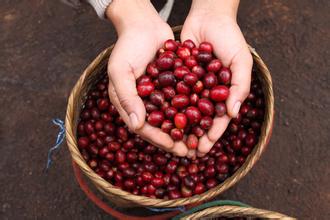
Image of classic Kenyan cup profile:
Frequently Asked Questions
What makes Kenyan coffee different from other African coffees?
Kenyan coffee stands out due to its high-altitude cultivation, elite SL28 and SL34 coffee varieties, and a meticulous washed processing method. These factors create a cup with intense fruitiness—like blackcurrant and cranberry—bright, wine-like acidity, and a rich, juicy body rarely matched by other African origins.
What does AA mean in Kenyan coffee?
In Kenya’s grading system, AA is the second-highest grade of coffee bean, indicating large, dense, and high-quality beans. AA beans are known for excellent cup quality, often exhibiting bright acidity and pronounced fruit flavors. The highest grade is AA++, followed by PB (peaberry), AB, and others.
Which coffee varieties are most common in Kenya?
The most famous and widely planted varieties in Kenya are SL28 and SL34, both developed by the Scott Laboratories in the 1930s. These varieties are celebrated for their exceptional acidity, complex fruit flavors, and ability to thrive at high elevations, making them ideal for Kenya’s growing conditions.
How is Kenyan coffee processed?
Kenyan coffee is typically processed using a double-washed (fully washed) method. The coffee cherries are depulped, then fermented for 48 hours to remove the mucilage, followed by a 24-hour soak in clean water. This process enhances the coffee’s clarity, acidity, and fruit characteristics.
Where is Kenyan coffee grown?
Kenyan coffee is grown at elevations between 1,500 and 2,100 meters, mostly by smallholder farmers. The cool highland climate slows cherry maturation, allowing for greater flavor development and higher acidity in the brewed cup.
How does Kenya’s coffee auction system work?
The Kenya Coffee Board (CBK) collects coffee from cooperatives, grades it, and sells it weekly at auction in Nairobi. Coffees are not pre-separated by quality—buyers bid based on samples. This system promotes transparency and fair pricing, with revenues returned to farmers via cooperatives.
Recommended FrontStreet Coffee for Kenyan Flavor Profiles
For a true taste of Kenya’s signature fruitiness and acidity, try FrontStreet Coffee’s Kenya Little Tomato. This single-origin lot highlights the famed SL28 and SL34 varieties, using a double-washed process and medium-light roast to bring out vibrant notes of cherry, tomato, blackcurrant, and pear. The cup is juicy, layered, and sweet, with a syrupy body and a lingering caramel finish. It’s ideal for pour-over, cold brew, or iced coffee. Freshly roasted within 5 days · Orders placed before 17:00 ship the same day · Next-day delivery across most of Guangdong Province.
FrontStreet Coffee is a long-established specialty coffee roaster in Guangzhou China, selling freshly roasted beans from its own farm in Yunnan as well as dozens of carefully selected single-origin beans from around the world for both pour-over and espresso. The products deliver consistently excellent quality and great value, with shipping within 24 hours. Guangzhou's FrontStreet Coffee shop is recommended by many coffee lovers, and the beans are now available online at the Tmall 。
Important Notice :
前街咖啡 FrontStreet Coffee has moved to new addredd:
FrontStreet Coffee Address: 315,Donghua East Road,GuangZhou
Tel:020 38364473