Kenyan Coffee Washed Process Explained
If you’ve ever sipped a cup of Kenyan coffee and wondered why it tastes so radically different—why it’s bursting with blackcurrant, citrus, and wine-like brightness—the answer isn’t just the variety. It’s how the coffee is processed. More specifically, it’s the famed washed (or wet) process that transforms Kenyan coffee from ordinary to extraordinary.
Kenya’s washed coffee method involves a precisely timed 48-hour fermentation, a 24-hour water soak, and multiple rounds of washing—steps that build the intense fruitiness and crisp acidity the country’s beans are known for.
The Origins of Kenyan Coffee
Coffee arrived in Kenya in the 19th century via Ethiopia, initially brought through South Yemen. But it wasn’t until the early 1900s that the Bourbon variety was introduced by the St. Austin Mission. Since then, Kenya has refined coffee cultivation into one of the most regulated and respected systems in the world.
The majority of Kenyan coffee grows between 1,500 and 2,100 meters above sea level, often reaching optimal flavor development thanks to cooler temperatures and slow maturation. The country harvests twice a year, with pickers selectively harvesting ripe cherries—an intensive process involving as many as seven passes through the fields to ensure only fully mature fruit is collected.
From Farm to Washing Station
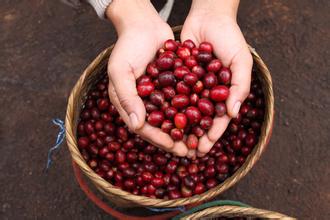
Most Kenyan coffee is grown by smallholder farmers who deliver their red cherries to local cooperative washing stations. There, the beans are depulped and fermented without water for around 48 hours to remove the sticky mucilage. After fermentation, the beans undergo an additional 24-hour soak in clean water—a key step in the washed process that further cleans the parchment and refines texture.
Following the soak, the beans are thoroughly washed and spread out to dry on raised beds. Throughout this process, great care is taken to ensure uniform drying, which protects the beans’ delicate acidity and aromatics. The dried coffee, still in its parchment layer (“parchment coffee”), is then delivered to cooperatives and consolidated for quality assessment.
Government Regulation & the Auction System
The Kenyan government, through the Coffee Board of Kenya (CBK), exercises strict oversight of the coffee trade. Destroying coffee trees is illegal, and the CBK manages all coffee purchasing, grading, and auctioning. Farmers are paid based on the average quality of their lots, ensuring fairness across the board.
All coffee first goes to the CBK for evaluation and classification. It is then sold weekly at the Nairobi auction, where it is not re-graded but presented with samples for buyers to assess. The auctions typically feature small lots of 3–6 tons, allowing roasters to sample and select based on specific profiles. The best grades include PB (peaberry), followed by AA++, AA+, AA, and AB. These top tiers are known for their vibrant acidity, winey undertones, and intense fruit flavors.
The system also caters to blenders and roasters seeking specific flavor profiles, offering samples with grower information. This transparency and structure have made Kenya’s coffee auction system a global model.
Varieties & Terroir: SL28, SL34 & High-Phosphate Soils
Kenya’s coffee reputation is also deeply tied to its signature coffee varieties: SL28 and SL34. Developed by the Scott Laboratories (SL) in the 1930s, these two cultivars emerged from a pool of 40 experimental varieties. SL28 delivers profound blackcurrant, citrus, and wine-like acidity with deep, resonant fruitiness. SL34 offers a balance of bright fruit, nuts, and spices. Both thrive in Kenya’s high-altitude, cool-climate conditions.
The volcanic, high-phosphate soils found in Kenya’s coffee-growing regions further enhance the brightness and structure of the cup. This unique combination of soil, climate, variety, and processing gives Kenyan coffees their distinctive profile—something that even skeptics admit is hard to replicate elsewhere.
The Washed Process: Step by Step
The signature washed process used in Kenya includes several detailed steps:
- Depulping: The coffee cherry skin is removed immediately after harvest.
- Fermentation: The beans are fermented without water for about 48 hours to break down the mucilage.
- Washing: After fermentation, the sticky mucilage is washed off completely.
- Soaking: The beans are soaked in clean water for an additional 24 hours to refine cleanliness and texture.
- Drying: Finally, the beans are dried on raised beds to an ideal moisture level, ensuring stability and preserving acidity.

This meticulous process enhances the coffee’s inherent fruitiness and acidity, creating the crisp, clean, and complex cup profile Kenya is famous for.
Production & Global Demand
From exporting just 800,000 bags in 1969–1970, Kenya increased production to 2 million bags by 1985–1986. Today, production has stabilized at around 1.6 million bags, with average yields of 650 kg per hectare. Prices began climbing in the early 1990s, rising as much as 50% between 1993 and 1994 due to growing global demand.
While some importers have criticized the complexity and cost of Kenya’s system—and questioned recent declines in perceived quality—most agree the country’s regulations, auction transparency, and processing precision set a benchmark for other origins.
Frequently Asked Questions
What is the washed process in Kenyan coffee?
The Kenyan washed process involves depulping the coffee cherry, fermenting the beans without water for 48 hours to remove mucilage, soaking them in clean water for 24 hours, then washing and drying them carefully on raised beds. This multi-step method enhances acidity and fruit flavors.
What coffee varieties are most common in Kenya?
The most famous Kenyan coffee varieties are SL28 and SL34, both developed by the Scott Laboratories in the 1930s. They are known for their bright acidity, complex fruit flavors, and suitability for high-altitude growing conditions.
How does Kenya’s coffee auction system work?
Kenya’s Coffee Board of Kenya (CBK) collects and grades coffee before selling it weekly at the Nairobi auction. Coffees are not re-graded but offered with samples, allowing buyers to assess quality and flavor before purchasing. Auctions typically feature small lots of 3–6 tons.
Why is Kenyan coffee so acidic?
Kenyan coffee’s high acidity comes from a combination of factors: high-altitude growing conditions (1,500–2,100m), cool temperatures that slow ripening, the SL28 and SL34 varieties, and the meticulous washed processing method that highlights fruit acids.
What does the 48-hour fermentation achieve in Kenyan coffee?
The 48-hour dry fermentation in Kenya’s washed process breaks down the coffee cherry’s mucilage without water, which helps develop a cleaner cup and enhances the bright, winey acidity that Kenyan coffees are known for.
How is Kenyan coffee graded?
Kenyan coffee is graded by bean size and quality, with the top grades being Peaberry (PB), followed by AA++, AA+, AA, and AB. AA grades are known for their exceptional cup quality, brightness, and complexity.
FrontStreet Kenya Beans with Classic Washed Profile
For a true taste of Kenya’s washed coffee brilliance, try the FrontStreet Kenya "Little Tomato". It combines the celebrated SL28 and SL34 varieties, processed with a refined double-washed method and medium-light roast. Expect intense notes of cherry tomato, Asian pear, black plum, Concord grape, and brown sugar—with a full body, layered acidity, and a lingering caramel finish. Ideal for pour-over, cold brew, or even iced drip. Freshly roasted within 5 days · Orders placed before 17:00 ship the same day · Next-day delivery across most of Guangdong Province.
FrontStreet Coffee is a long-established specialty coffee roaster in Guangzhou China, selling freshly roasted beans from its own farm in Yunnan as well as dozens of carefully selected single-origin beans from around the world for both pour-over and espresso. The products deliver consistently excellent quality and great value, with shipping within 24 hours. Guangzhou's FrontStreet Coffee shop is recommended by many coffee lovers, and the beans are now available online at the Tmall 。
Important Notice :
前街咖啡 FrontStreet Coffee has moved to new addredd:
FrontStreet Coffee Address: 315,Donghua East Road,GuangZhou
Tel:020 38364473