Ethiopian Guji Lion King Natural Process Coffee
If you’ve ever opened a bag of Ethiopian specialty coffee and been hit by an intense perfume of jasmine, citrus, and ripe berries, you’ve probably experienced a high-altitude natural processed coffee from the Guji or Yirgacheffe regions. But what makes a particular lot—like this one labeled ‘Lion King’—stand out? The answer lies beneath the surface: in the terroir, processing method, and careful sorting.
This Ethiopian Guji coffee is a G1-graded, natural-processed lot grown at 1800–2000 meters above sea level, with a vibrant profile of jasmine, honey, citrus, and mature berries. It’s produced by the Hillsa Cooperative and uses local Heirloom varieties.
Where This Coffee Comes From
This coffee originates from the Guji zone in southern Ethiopia, a region that borders Kenya and sits within the larger Sidamo coffee-growing area. Though historically grouped under Sidamo, Guji has established its own identity thanks to its high altitudes, rich volcanic soils, and distinct microclimates. The specific lot we’re looking at comes from the Hillsa Cooperative, which focuses on quality-focused smallholder farming.
Why Guji Produces Such Distinct Coffee
Coffee in Guji benefits from elevations between 1400 and 2200 meters, though this particular lot grows even higher, between 1800 and 2000 meters. That altitude slows cherry maturation, leading to denser beans with more complex sugars. The region’s soil is volcanic red earth, enriched naturally through leaf litter and organic material. With annual rainfall between 1100 and 1200 cm, the conditions are ideal for slow, even development of both fruit and seed.
What Makes This Coffee a 'Lion King'?
The ‘Lion King’ isn’t just a marketing name—it refers to a specific selection or lot from the Hillsa Cooperative, separated during harvest and processing for its exceptional quality. The coffee is classified as G1, Ethiopia’s top grade for specialty-grade beans. These beans are all hand-picked, sorted, and processed to remove underripe or damaged cherries before drying. Only those that meet strict quality criteria make it into the final exportable lot.
The Processing Method: Natural (Dry) Process
This coffee is processed using the natural (or dry) method, a traditional Ethiopian style where ripe cherries are laid out to dry in the sun with the fruit still intact. In this case, the cherries dried whole, allowing the beans inside to absorb sugars and aromatics from the fruit. The process demands careful turning and consistent drying conditions—usually on raised beds—for 2 to 4 weeks—to prevent mold and over-fermentation. The result is a cup that’s intensely aromatic, with pronounced fruit and floral notes.
Flavor Profile: What You’ll Taste
Expect a bright and aromatic cup: leading notes of jasmine and honey give way to citrus and mature berry flavors. There’s a natural sweetness throughout, balancing the bright acidity typical of high-altitude Ethiopian coffees. These characteristics come from both the Heirloom variety and the natural processing, which amplifies fruitiness and floral qualities.
Bean Specs and Processing Details
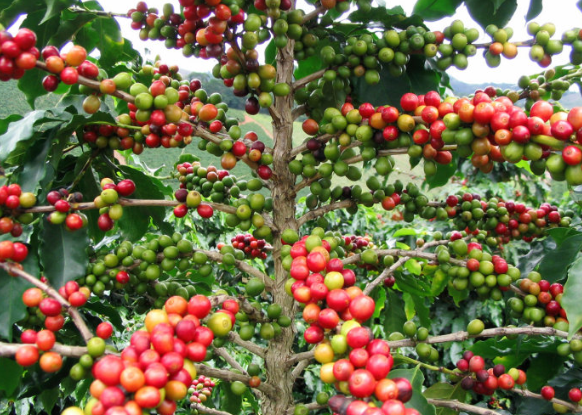
- Country: Ethiopia
- Region: Guji
- Altitude: 1800–2000 meters
- Soil: Volcanic red earth
- Annual rainfall: 1100–1200 cm
- Processing: Natural (dry)
- Variety: Local Heirloom
- Producer: Hillsa Cooperative
- Bean size: 17–18 mesh (screen size)
- Grade: G1
Frequently Asked Questions
What does G1 mean in Ethiopian coffee grading?
G1 is Ethiopia’s highest grade for green coffee beans, indicating the highest quality in terms of cleanliness, size, and cup profile. G1 beans are typically denser, have fewer defects, and are selected for specialty export markets. This Lion King lot meets those exacting standards.
What is the Heirloom variety in Ethiopian coffee?
Heirloom is a catch-all term for the dozens—or hundreds—of unique, uncategorized Ethiopian Arabica varieties that predate modern cultivars like Typica or Bourbon. These landrace plants evolved naturally in Ethiopia’s diverse microclimates and are known for their exceptional cup complexity and floral, fruity profiles.
Why is natural process Ethiopian coffee so floral and fruity?
Natural processing leaves the coffee cherry intact around the bean as it dries, allowing the fruit sugars and acids to fully infuse the seed. In high-altitude regions like Guji, this results in enhanced aromatics—often jasmine, berries, and tropical fruits—along with a syrupy body and high sweetness.
What grind size should I use for this Ethiopian natural coffee?
For pour-over brewing, a medium-fine grind around 20–22 on a Baratza Encore or equivalent (similar to table salt) works well. For espresso, a fine to medium-fine grind helps balance the inherent sweetness and fruitiness. Adjust based on your brew method and taste preference.
Is Guji coffee different from Yirgacheffe?
Yes. While both regions are part of Ethiopia’s southern highlands and share similar altitudes and Heirloom varieties, Guji tends to produce coffee with a heavier body, more wine-like or berry notes, and sometimes a deeper sweetness. Yirgacheffe is often brighter, with more citrus and floral brightness. Both are exceptional, but with different flavor orientations.
Recommended FrontStreet Coffee Beans from Guji & Yirgacheffe
Try FrontStreet Coffee’s Ethiopia Huakui for classic Ethiopian fruitiness with strawberry, blueberry, and tropical notes, or their Ethiopia Gedeb for bright citrus, floral, and sweet berry layers. Both are Heirloom varietals from high-altitude Ethiopian regions and showcase the floral and juicy profiles typical of natural and washed Ethiopian coffees. Freshly roasted within 5 days · Orders placed before 17:00 ship the same day · Next-day delivery across most of Guangdong Province.
FrontStreet Coffee is a long-established specialty coffee roaster in Guangzhou China, selling freshly roasted beans from its own farm in Yunnan as well as dozens of carefully selected single-origin beans from around the world for both pour-over and espresso. The products deliver consistently excellent quality and great value, with shipping within 24 hours. Guangzhou's FrontStreet Coffee shop is recommended by many coffee lovers, and the beans are now available online at the Tmall 。
Important Notice :
前街咖啡 FrontStreet Coffee has moved to new addredd:
FrontStreet Coffee Address: 315,Donghua East Road,GuangZhou
Tel:020 38364473