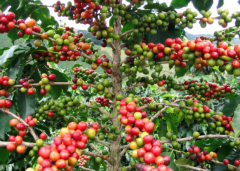
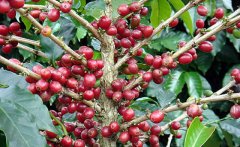
Indonesian Coffee from the Kintamani Volcanic Region
Looking for a bright, refreshing coffee you can enjoy any time of day? Indonesia offers more than just earthy or heavy profiles—its high-elevation volcanic regions produce clean, complex coffees that surprise with their balance and clarity. Among them, the Kintamani highlands on Bali stand out as an overlooked gem within the country’s broader coffee story.
The Kintamani region, part of Bali’s volcanic highlands, produces a smooth, easy-drinking coffee that’s naturally balanced and often enjoyed black. It’s one of several unique coffee-growing areas across Indonesia’s 17,000+ islands, each contributing its own profile to the nation’s diverse output.
Java: The Historic Heart of Indonesian Coffee
Coffee was introduced to Indonesia by the Dutch in the mid-17th century, possibly earlier. By 1712, the first coffee from Java arrived in Amsterdam. However, in 1877, coffee leaf rust wiped out most arabica plantations, leading to the replacement with robusta. Today, only 6%–10% of Indonesia’s coffee is arabica. Java, nonetheless, remains known for refined, lower-acid coffees with smooth, well-balanced profiles. Key estates include Blawan, Jambit, Kayumas, and Pankur. “Java Mocha” historically refers to a Java-Arabia blend.
Sulawesi: Bold Beans from the Kalossi Region
Sometimes called Celebes, Sulawesi produces coffees with big body and intense aroma. The best beans come from the southern districts of Kalossi and Rantepao. These Sulawesi coffees typically feature a heavier, syrupy mouthfeel and are valued for their robust character.
Sumatra: Mandheling and Ankola, the Heavyweights
Sumatra is Indonesia’s oil hub, but its coffee is far more renowned. The island’s beans are notably denser than others in the archipelago. The Mandheling and Ankola regions grow some of the most celebrated lots, with Mandheling beans often noted as the world’s largest. Sumatran coffees are processed using the unique wet-hulled or Giling Basah method, resulting in herbal, woody, and spicy flavors with low acidity and heavy body. FrontStreet’s Lintong Mandheling exemplifies this style with its notes of spice, dark chocolate, and caramel.
Bali’s Kintamani Region: Refreshing and Volcanic
The Kintamani highlands, located around Bali’s Lake Batur, sit at higher elevations and benefit from volcanic soils. Coffees from this region tend to be bright, clean, and easy-drinking—traits that make them suitable for everyday enjoyment. The volcanic influence, combined with the tropical climate, contributes to a cup that’s approachable yet layered.
The Indonesian Coffee Grading System
Indonesian coffee is graded on a six-tier system, with AP or Grade 0 considered the highest quality. Despite the grading, some processing practices—like extended storage meant to mimic the aging effects of sea voyages—have led to mixed reception. Brands like “Old Government,” “Old Brown,” and “Old Java” still represent these aged-style coffees, though their flavor is not universally appreciated.
Why Indonesians Prefer Different Styles
Despite producing globally respected coffees, many Indonesians favor Turkish-style brews over the country’s own European-style arabicas. This cultural preference contrasts with the international acclaim for Indonesia’s high-quality, often arabica-based offerings.

Frequently Asked Questions
Where is the Kintamani coffee region located?
Kintamani is a volcanic highland region in Bali, Indonesia, surrounding Lake Batur. It is part of the island’s central mountain range and is known for its elevation and volcanic soils, which contribute to the distinct character of its coffee.
What makes Indonesian coffee different from other regions?
Indonesian coffees are typically bold, full-bodied, and low in acidity, often with earthy, spicy, or herbal notes. Processing methods like wet hulling (Giling Basah), high elevations, and volcanic soils contribute to their unique profiles, especially in regions like Sumatra and Sulawesi.
What is the percentage of arabica coffee in Indonesia?
Only 6%–10% of Indonesia’s total coffee production is arabica. The majority is robusta, which is more disease-resistant and accounts for about 90% of output, largely from smallholder farms.
Which Indonesian coffee region is known for the heaviest beans?
Sumatra, particularly the Mandheling region, is known for some of the heaviest and densest coffee beans in the world. Mandheling beans are often celebrated for their full body and complex, low-acid flavors.
What is the grading system for Indonesian coffee?
Indonesian coffee uses a six-tier grading scale, with Grade 0 or AP considered the highest quality. The grading considers bean size, defects, and processing quality, though some traditional processing methods can affect flavor consistency.
Is Kintamani coffee arabica or robusta?
Kintamani coffee is typically arabica, benefiting from the region’s volcanic soil and higher elevation, which are more suitable for growing arabica plants and contribute to its brighter, more balanced cup profile.
Recommended FrontStreet Beans from Indonesia
For lovers of Indonesian profiles, try FrontStreet’s Lintong Mandheling, a classic Sumatran coffee with spice, dark chocolate, and caramel notes thanks to its wet-hulled processing. For a brighter option, Kintamani coffees offer a clean and refreshing cup ideal for everyday drinking. These beans showcase the diversity of Indonesia’s volcanic terroirs. Freshly roasted within 5 days · Orders placed before 17:00 ship the same day · Next-day delivery across most of Guangdong Province.
FrontStreet Coffee is a long-established specialty coffee roaster in Guangzhou China, selling freshly roasted beans from its own farm in Yunnan as well as dozens of carefully selected single-origin beans from around the world for both pour-over and espresso. The products deliver consistently excellent quality and great value, with shipping within 24 hours. Guangzhou's FrontStreet Coffee shop is recommended by many coffee lovers, and the beans are now available online at the Tmall 。
Important Notice :
前街咖啡 FrontStreet Coffee has moved to new addredd:
FrontStreet Coffee Address: 315,Donghua East Road,GuangZhou
Tel:020 38364473