What Makes Papua New Guinea Coffee Unique?
Papua New Guinea produces some of the most distinctive arabica coffees in the Pacific, yet few coffee drinkers outside specialty circles know much about where it comes from or what makes it special. With a complex history of colonial plant introductions, remote highland farms, and shifting quality standards, understanding PNG coffee means diving into both terroir and trade policy.
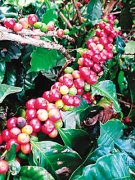
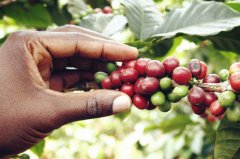
The majority of Papua New Guinea’s coffee—about 75%—comes from smallholder farms at elevations between 1300 and 1800 meters, conditions that naturally favor high-quality arabica. Most of this is Typica-related coffee, processed via traditional washed methods, resulting in a profile distinct from other Southeast Asian origins.
High-Altitude Origins and Smallholder Production
Nearly all of Papua New Guinea’s coffee grows in forested highlands, often in isolated plots carved from dense jungle. These small farms, many inaccessible by road, sit at elevations between 1300 and 1800 meters—ideal for slow cherry maturation and complex flavor development. Low-elevation coffee exists but is minimal. Due to rugged terrain and high transport costs, chemical inputs like fertilizers and pesticides are rarely used, leading to mostly organic growing conditions by default.
A Historical Boom and Quality Crisis
In 1975, a major frost devastated Brazil’s coffee crop, opening global demand that Papua New Guinea sought to fill. The government funded the creation of 20-hectare estates on collective or village-owned land, boosting production to 1 million 60kg bags by 1990. However, rapid scaling compromised quality. By 1991, most exported coffee was graded as Y grade—an export tier once holding premium status—but inconsistent processing and overproduction led to quality drops. Europe, a key market, backed away, and the “one grade, one price” policy backfired, as lower-quality beans tarnished the reputation of higher tiers.
Rebuilding Quality and the Modern PNG Grade System
To address the crisis, the Papua New Guinea Coffee Industry Board (based in Goroka) eliminated the Y grade and the single-price system. New grading standards were introduced, allowing buyers to pay based on actual cup quality. Production dipped but quality improved. By 1993, most former European buyers returned. Today, A and AB grades dominate the export market. A grade beans are prized for their full body, mild acidity, and lingering sweetness, while AB grade offers a more accessible balance.
Growing Conditions and Processing Methods
Papua New Guinea’s coffee thrives in high-altitude, high-humidity conditions with volcanic and sedimentary soils. The island’s climate features year-round warmth with heavy winter rains. Most coffee is cultivated using organic practices due to limited agrochemical access. The dominant variety is Typica, originally brought from Jamaica’s Blue Mountain region, which adapted well to PNG’s similar altitude and rainfall. The vast majority of PNG coffee is processed using traditional washed methods, contributing to its bright acidity and clean cup profile.
Flavor Profile and Market Position
Papua New Guinea coffee typically presents a vibrant cup with notes of nuts, mild spices, and subtle stone fruit. It lacks the earthy tones common in neighboring Indonesian coffees, offering instead a profile closer to Latin American origins. While rare AA-grade beans exist, most exports fall into A and AB grades. These coffees appeal to specialty roasters seeking balanced, approachable profiles with distinct island character. Their moderate price point also makes them attractive for newer specialty consumers.

Frequently Asked Questions
Where is Papua New Guinea coffee grown?
Papua New Guinea coffee is grown in the highland regions of the island, primarily at elevations between 1300 and 1800 meters. The rugged terrain consists of volcanic and highland plateaus, often in remote, forested areas accessible only by foot or small roads.
What coffee varieties are grown in Papua New Guinea?
The dominant coffee variety is Typica, introduced from Jamaica’s Blue Mountain region. It thrives in PNG’s similar high-altitude and rainy conditions. Other varieties exist but are minimal compared to Typica’s prevalence.
How is Papua New Guinea coffee processed?
Most PNG coffee is processed using the traditional washed method. This involves removing the coffee cherry pulp and fermenting the beans before washing and drying them, which contributes to a clean, bright cup profile.
What are the main coffee grades in Papua New Guinea?
The key commercial grades are A and AB. A grade beans have full body, mild acidity, and a sweet finish. AB grade is more common and offers a balanced cup. The now-defunct Y grade was formerly a premium tier but lost credibility due to quality issues.
Why did Papua New Guinea coffee lose its market position in the 1990s?
Rapid production increases in the 1980s led to inconsistent quality. The government’s “one grade, one price” policy undermined premium perceptions when lower-quality beans were sold alongside higher ones. Europe stopped buying Y grade coffee, and the market collapsed until grading reforms in 1993 restored confidence.
What does Papua New Guinea coffee taste like?
PNG coffee typically has a bright acidity, medium body, and flavors of nuts, soft spice, and subtle stone fruit. It lacks the heavy earthiness of Indonesian coffees and is more akin to Latin American profiles, making it versatile and approachable.
Recommended FrontStreet Beans from Papua New Guinea
Try FrontStreet Coffee’s (Paradise Bird) from the Sigri Estate in Western Highlands PNG. This single-origin coffee is processed with careful hand selection and traditional washed methods using pure spring water. It shows a bright, balanced profile with notes of toasted bread, nuts, and a unique spicy finish. Light to medium-bodied with a sweet aftertaste and fruity undertones, it’s roasted to a gentle medium level for easy drinking. Freshly roasted within 5 days · Orders placed before 17:00 ship the same day · Next-day delivery across most of Guangdong Province.
FrontStreet Coffee is a long-established specialty coffee roaster in Guangzhou China, selling freshly roasted beans from its own farm in Yunnan as well as dozens of carefully selected single-origin beans from around the world for both pour-over and espresso. The products deliver consistently excellent quality and great value, with shipping within 24 hours. Guangzhou's FrontStreet Coffee shop is recommended by many coffee lovers, and the beans are now available online at the Tmall 。
Important Notice :
前街咖啡 FrontStreet Coffee has moved to new addredd:
FrontStreet Coffee Address: 315,Donghua East Road,GuangZhou
Tel:020 38364473