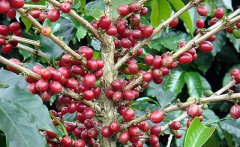
What Makes Guatemalan Coffee Special?
If you’ve ever wondered why some coffees taste rich, bright, and complex while others fall flat, the answer often lies in origin. Guatemalan coffee has long been praised for its deep flavor and balanced profile—but its reputation hasn’t always been consistent. Once considered among the world’s finest, Guatemalan beans faced challenges that temporarily dulled their standing. So what changed, and why does Guatemalan coffee still matter today?
The short answer: Guatemalan coffee is known for its full-bodied, spicy, and balanced profile with vibrant acidity. Grown mostly at high altitudes on the slopes of the Sierra Madre volcanoes, its best beans—including rare large beans and strictly hard bean (SHB) grades—offer a complex mix of flavors, often with hints of spice, chocolate, and citrus.
Guatemala’s Coffee Origins and Historical Roots
Coffee was introduced to Guatemala in 1750 by Jesuit priests. By the late 19th century, German settlers had expanded the industry significantly. Today, most production occurs in the southern regions, particularly on the volcanic slopes of the Sierra Madre mountain range. These high-elevation areas provide ideal growing conditions for producing premium coffee with distinctive character.
Flavor Profile and Bean Qualities
Guatemalan coffee is celebrated for its rich, full body and well-balanced acidity. The country’s strictly hard bean (SHB) grade—coffee grown at elevations above 1,350 meters—is especially prized. These beans are known for being dense, flavorful, and having a well-rounded acidity. Another unique trait is the presence of larger-than-average coffee beans, sometimes referred to as "giant beans," which add to the country’s renown among specialty roasters.
Tasters often note spicy and complex flavor notes. Compared to other origins, experts tend to favor Guatemalan beans for their layered profiles, often featuring hints of cinnamon, clove, chocolate, and fruit. These characteristics make Guatemalan coffee a favorite choice for single-origin offerings and espresso blends alike.
Major Growing Regions
Several regions in Guatemala are especially known for high-quality coffee:
- Antigua: Home to the famous Hacienda Carmona, Antigua produces some of the country’s most renowned coffees. The Estate Pulcal lot from Carmona stands out for its bold flavors, deeper tobacco notes, and greater intensity than many other Guatemalan coffees. The region benefits from periodic volcanic ash deposits, which enrich the soil with nitrogen, along with abundant sun and rainfall.
- Lake Atitlan: This area is known for producing bright, clean cups with good acidity and complexity. Many small producers here are part of sustainable initiatives.
- Huehuetenango: One of the highest-altitude regions, it produces coffees with distinctive fruity and floral qualities. It’s also one of the country’s most remote and rugged coffee-growing areas.
Other notable regions include San Marcos, Cobán, Pacaya, Mataquescuintla, and La Unión in Zacapa. Each contributes unique flavor profiles based on climate, soil, and processing methods.
The State of the Industry Today
Guatemala once boasted some of the world’s most respected coffee, but production and quality declined for a period. Currently, the yield is approximately 700 kilograms per hectare—lower than El Salvador’s 900 kg/ha and Costa Rica’s impressive 1,700 kg/ha. Much of the country’s coffee trade is managed by private companies, although the National Coffee Association (Asociacion Nacional de Café) oversees regulation and quality control.
High-quality beans are often exported to Japan, where they can sell for $3–$4 per cup. A significant portion of production comes from smallholders, many of whom are descendants of the Maya. These producers face challenges including fluctuating market prices and limited access to processing infrastructure.

To combat these issues, a $2.5 million U.S.-funded project—locally called "The Project"—aims to support small-scale, high-quality coffee farming. It encourages farmers to process beans locally rather than selling unprocessed cherries to middlemen, which can improve both quality and income. The initiative also promotes the cultivation of traditional Bourbon varieties, which are taller but produce fewer cherries per tree. However, these Bourbons are favored by specialty roasters for their superior cup quality.
Frequently Asked Questions
What makes Guatemalan coffee different from other origins?
Guatemalan coffee is typically grown at high altitudes on volcanic soil, producing a full-bodied cup with bright acidity and complex flavors often featuring spices, chocolate, fruit, and floral notes. Its strictly hard bean (SHB) classification ensures density and quality due to the elevation.
Where in Guatemala is the best coffee grown?
Top regions include Antigua, known for bold, spicy, tobacco-forward profiles; Huehuetenango, which grows coffee at extreme altitudes with fruity and floral notes; and Lake Atitlan, recognized for bright, clean cups. Each region offers distinct cup profiles thanks to variations in soil, climate, and altitude.
What is Strictly Hard Bean (SHB) coffee?
Strictly Hard Bean refers to coffee grown at elevations above 1,350 meters. In Guatemala, these beans are denser, have more complex flavors, and often feature higher acidity. The term is used to indicate premium quality related to growing altitude.
Why did Guatemalan coffee’s reputation decline?
The country faced political instability, lower yields compared to competitors like Costa Rica and El Salvador, and challenges for smallholder farmers. For a time, quality suffered, but efforts such as improved processing and specialty-focused projects are helping rebuild its global standing.
Who produces most of Guatemala’s coffee?
Most coffee is grown by small-scale farmers, many of whom are of Maya descent. They often face difficulties accessing processing facilities and fair markets, though initiatives like "The Project" aim to improve their situation by encouraging local processing and supporting Bourbon variety cultivation.
Recommended FrontStreet Beans for Guatemalan Coffee Fans
For those exploring the rich, spicy profile typical of Guatemalan coffee, try FrontStreet's BrazilBourbon for its round body and nutty sweetness, or FrontStreet ColombiaSidra with its complex fruity fermentation notes. Both offer the sort of balance and depth often associated with high-grown Latin American coffees, including those from Guatemala. Freshly roasted within 5 days · Orders placed before 17:00 ship the same day · Next-day delivery across most of Guangdong Province.
FrontStreet Coffee is a long-established specialty coffee roaster in Guangzhou China, selling freshly roasted beans from its own farm in Yunnan as well as dozens of carefully selected single-origin beans from around the world for both pour-over and espresso. The products deliver consistently excellent quality and great value, with shipping within 24 hours. Guangzhou's FrontStreet Coffee shop is recommended by many coffee lovers, and the beans are now available online at the Tmall 。
Important Notice :
前街咖啡 FrontStreet Coffee has moved to new addredd:
FrontStreet Coffee Address: 315,Donghua East Road,GuangZhou
Tel:020 38364473