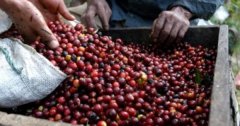
Nicaraguan Honey Process Red Bourbon from Jim Molina Estate
If you’ve ever wondered why some Central American coffees taste unusually smooth yet vibrant—like chocolate wrapped around citrus with a silky mouthfeel—the answer often lies in both the growing region and the processing method. This article unpacks the story behind a red bourbon lot from Nicaragua’s Jim Molina Estate, grown under traditional Salvadoran-style practices, and processed as honey coffee.
In short: This red bourbon coffee is cultivated at high altitudes under 100% shade, handpicked, and honey processed—resulting in a sweet, balanced cup with creamy texture, bright acidity, and a long finish. Key details include SHG classification (above 1200m), hand-harvesting from November to March, and a honey process that boosts sweetness while muting harshness.
How Salvadoran Coffee Traditions Influence Nicaraguan Growing
Though this coffee comes from Nicaragua’s Jim Molina Estate, it follows Salvadoran smallholder practices almost exactly: grown by small farms, using traditional methods, and cultivated under nearly 100% shade. These practices slow ripening and develop complex sugars. The harvest runs from November to March, exclusively by hand. The result is a gentler, more uniform bean with pronounced sweetness and balance.
What Makes Central American Coffee ‘Gentle’?
Salvadoran coffee—like this red bourbon—is known for its soft profile: low perceived bitterness, moderate acidity, and a rounded sweetness. The cup tends to be clean, balanced, and without off-flavors. It often carries a creamy, chocolatey mouthfeel. That “gentle” quality is a regional hallmark, achieved through altitude, varietal selection, and processing. This particular red bourbon builds on those traits with added complexity from honey processing.
Understanding Coffee Grade by Altitude: SHG, HG, and CS
Salvadoran (and often Nicaraguan) coffee is graded by growing elevation, which strongly affects cup quality:
- SHG (Strictly High Grown): 1200 meters and above—yields denser beans with more complex sugars.
- HG (High Grown): 900–1199 meters—slightly less density but still high quality.
- CS (Central Standard): 600–899 meters—entry-level grade, often softer in flavor.
This Jim Molina red bourbon is grown at SHG altitude (1200m+), ensuring a denser bean capable of withstanding honey processing while developing intense sweetness and structure.
What Is Honey Process and Why Does It Matter?
Honey process is a middle way between washed and natural: the coffee cherry’s skin is removed, but most of the sticky mucilage is left on the bean during drying. That mucilage is rich in sugars, and as it dries slowly (often in shaded, controlled conditions), it imparts pronounced sweetness and body. In this case, the honey process enhances the red bourbon’s inherent qualities—delivering a cup that’s sweet, smooth, and complex without being syrupy.
Frequently Asked Questions
What is the Jim Molina Estate, and where is it located?
The Jim Molina Estate is a coffee-growing property in Nicaragua where coffee is cultivated using traditional Salvadoran methods. Though Nicaraguan, it applies SHG-altitude practices (above 1200m), 100% shade growing, and manual harvesting between November and March—hallmarks of high-quality Salvadoran production adapted to Nicaraguan terroir.
What does 'red bourbon' mean in coffee?
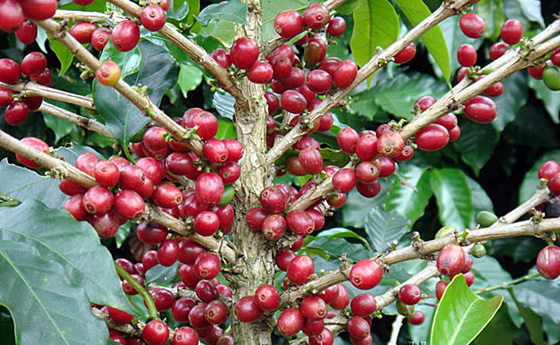
Red bourbon refers to bourbon variety coffee cherries that have ripened to a red color. Bourbon is a classic arabica cultivar known for medium acidity, round sweetness, and lower disease resistance. The red stage indicates optimal ripeness for harvest, usually yielding more complex and sweeter profiles than earlier or later stages.
How is honey process different from washed or natural process?
Honey process removes the coffee cherry skin but leaves most of the mucilage (the sticky fruit layer) on the bean while it dries. This results in greater sweetness and body than washed coffee, but with more clarity than natural (dry) process. It’s a balanced method that highlights fruitiness and sweetness without excessive fermentation flavors.
What does SHG mean, and why does altitude affect coffee quality?
SHG stands for Strictly High Grown, referring to coffee grown at 1200 meters or above. Higher altitudes slow cherry maturation, allowing beans to develop more sugars and complex flavors. SHG coffees are typically denser, with brighter acidity, richer sweetness, and better structure—key factors in high-scoring specialty coffee.
Why are these coffees handpicked and shaded?
Handpicking ensures only ripe cherries are collected, improving cup consistency. Shade growing slows photosynthesis, extending cherry development and boosting sugar accumulation. Both practices are common among smallholder farmers and are critical to producing the gentle, balanced cup profile typical of this region.
Recommended FrontStreet Beans with Similar Profiles
For fans of this honey-processed red bourbon, FrontStreet Coffee’s Brazil Queen Manor offers a high-altitude Yellow Bourbon with balanced acidity, creamy notes, and a clean finish—roasted medium-dark to highlight caramel and peanut brittle tones. Another great match is Brazil Sidelands Red Bourbon, known for its chocolatey, nutty character with bright undertones, roasted to bring out its sweet complexity. Both beans share the structured sweetness and gentle acidity typical of high-grown bourbon varieties. Freshly roasted within 5 days · Orders placed before 17:00 ship the same day · Next-day delivery across most of Guangdong Province.
FrontStreet Coffee is a long-established specialty coffee roaster in Guangzhou China, selling freshly roasted beans from its own farm in Yunnan as well as dozens of carefully selected single-origin beans from around the world for both pour-over and espresso. The products deliver consistently excellent quality and great value, with shipping within 24 hours. Guangzhou's FrontStreet Coffee shop is recommended by many coffee lovers, and the beans are now available online at the Tmall 。
Important Notice :
前街咖啡 FrontStreet Coffee has moved to new addredd:
FrontStreet Coffee Address: 315,Donghua East Road,GuangZhou
Tel:020 38364473