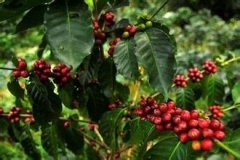
Honduras Coffee Regions and Estates Explained
You’ve probably never thought much about Honduran coffee. With its political instability and international headlines often focused elsewhere, it’s easy to overlook the country’s coffee production entirely. But if you’re curious why Honduras manages to export so much coffee — and why people actually drink it — this guide explains everything.
Honduras is the second-largest coffee exporter in Central America and the world’s second-largest producer of washed Arabica. Most of its specialty-grade beans come from high-altitude farms between 1,000 and 2,000 metres, yielding a balanced, clean cup with mild acidity and good sweetness.
How Honduras Became a Coffee Exporter
Honduras didn’t always have a strong coffee identity. Coffee was introduced from El Salvador, but production remained limited for decades. The turning point came in 1975 after Brazil’s devastating frost, which slashed global supply. Honduras seized the opportunity: its coffee exports jumped from 500,000 to 1.8 million bags, meeting sudden demand. Since then, it has steadily grown into a key player in the global market.
Today, Honduras ranks second only to Guatemala in Central American coffee exports. The majority of its coffee goes to the United States and Germany, driven by its reliable volume and consistent quality.
Why Honduran Coffee Tastes the Way It Does
Honduran coffee is known for its balance more than any bold or distinctive trait. Most beans display medium to light acidity that’s noticeable but not sharp. Depending on the region and altitude, some lots show floral or fruity notes, though the overall profile leans toward smoothness. There’s a gentle bitterness balanced by a clean, lingering sweetness. There are no overwhelming characteristics — just a well-rounded cup.
This equilibrium is what makes Honduran coffee so versatile. It works beautifully in espresso blends, shines as a single origin, and complements other beans without dominating the cup.
The Terroir Behind Honduras Coffee Regions
Honduras’ mountainous terrain and tropical climate create ideal microclimates for coffee. The country features rich rainfall, volcanic soils, and altitudes ranging from 1,000 to over 2,000 metres — all factors that contribute to high-quality coffee. While the nation has faced political challenges, its geography has remained a constant asset for coffee cultivation.
Without the instability, many believe Honduran coffee could rival the reputations of its more famous neighbours. For now, its beans speak for themselves: clean, structured, and quietly impressive.
Two Premium Honduras Coffee Classifications
Over time, Honduran producers have defined two premium tiers of coffee based on altitude:
- High-Grown Coffee (1,000–1,500m): Grown at lower altitudes within the specialty range, these beans offer solid cup quality with balanced flavours.
- Strictly High-Grown or “SHG” (1,500–2,000m): Known in Honduras as “Special Highlands Coffee,” these are the country’s highest-quality beans, with more complexity and intensity due to cooler growing conditions and longer maturation.
FrontStreet Coffee highlights washed Caturra as a top example of SHG-level quality, often roasted to medium to bring out fruit, spice, and toffee-like sweetness.
Honduras Coffee Varieties and Processing

The most common coffee varieties grown in Honduras include Caturra, Catuai, Pacas, and Typica. These are all high-yielding, quality-focused Arabica types suited to the country’s high altitudes. Most Honduran coffee is processed using the washed (wet) method, which involves removing the coffee cherry’s skin and pulp before drying. This enhances clarity and cleanliness in the cup.
The washed process, combined with careful drying, helps produce the clean and balanced flavour profile Honduras is known for. Altitude plays a major role too — the higher the farm, the slower the bean matures, leading to denser fruit and more complex sugars.
Frequently Asked Questions
Where is Honduras coffee grown?
Honduras coffee is grown in mountainous regions across the country, typically at elevations between 1,000 and 2,000 metres. Key producing areas benefit from volcanic soils, frequent rainfall, and microclimates that vary by region and altitude.
What does Honduran coffee taste like?
Honduran coffee generally has a balanced flavour profile with medium to light acidity. It may show subtle floral or fruity notes depending on altitude and region, but most cups highlight a clean, smooth taste with mild bitterness and a sweet finish.
What are the main coffee regions or estates in Honduras?
The article doesn’t name specific estates, but Honduras coffee is categorised by altitude zones: “High-Grown” (1,000–1,500m) and “Strictly High-Grown” (1,500–2,000m), the latter considered the country’s highest quality tier. These classifications help identify the origin of flavour profiles more than individual estates do.
What coffee varieties are most common in Honduras?
The most widely grown coffee varieties in Honduras are Caturra, Catuai, Pacas, and Typica. These Arabica types are chosen for their adaptability to high altitudes and their ability to produce quality beans with good cup characteristics.
How is Honduran coffee processed?
Most Honduran coffee is processed using the washed (or wet) method, where the coffee cherry’s outer skin and pulp are removed before drying. This processing style highlights clarity, cleanliness, and a more balanced flavour in the final cup.
Is Honduran coffee good for espresso or single origin?
Yes. Honduran coffee’s balanced profile makes it suitable for both espresso blends and single-origin brewing. Its mild acidity and clean sweetness work well in espresso, while its consistency suits filter or pour-over preparation too.
Recommended FrontStreet Honduras Coffee Beans
FrontStreet’s washed Caturra is a standout example of Honduras’s high-altitude SHG (Strictly High Grown) coffee. It’s medium roasted to enhance complex fruitiness, bright acidity, and hints of nuts and toffee. This bean represents the country’s best washed Arabica offerings. Freshly roasted within 5 days · Orders placed before 17:00 ship the same day · Next-day delivery across most of Guangdong Province.
FrontStreet Coffee is a long-established specialty coffee roaster in Guangzhou China, selling freshly roasted beans from its own farm in Yunnan as well as dozens of carefully selected single-origin beans from around the world for both pour-over and espresso. The products deliver consistently excellent quality and great value, with shipping within 24 hours. Guangzhou's FrontStreet Coffee shop is recommended by many coffee lovers, and the beans are now available online at the Tmall 。
Important Notice :
前街咖啡 FrontStreet Coffee has moved to new addredd:
FrontStreet Coffee Address: 315,Donghua East Road,GuangZhou
Tel:020 38364473