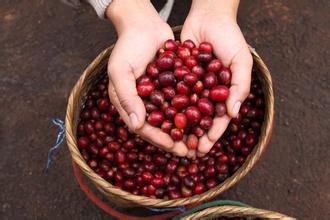
How Honduras Coffee Is Washed: Traditional Process Explained
When you think of specialty coffee origins, countries like Ethiopia, Colombia, or Kenya might come to mind—but Honduras? Often overshadowed by political instability and better-known neighbors, this Central American nation actually produces a significant volume of high-quality coffee. So how does Honduras make its mark in the specialty world?
Honduras mostly processes its specialty coffee using the washed method, which enhances clarity, acidity, and balance. This traditional technique removes the coffee cherry’s outer fruit and sticky mucilage before drying, creating a cleaner, more vibrant cup profile.
The State of Honduran Coffee Production
Honduras might not be the first country you associate with coffee, but it has quietly grown into one of Central America’s major exporters. The industry took off after Brazil’s 1975 frost disaster, which slashed global supply. Honduras ramped up production from 500,000 bags to 1.8 million bags almost overnight, meeting surging international demand. Today, it ranks as Central America’s second-largest coffee exporter—right behind Guatemala—with key markets in the United States and Germany.

Why Washed Processing Dominates in Honduras
The washed (or wet) process is the dominant method for Honduran specialty coffee. Why? Because it highlights the beans’ inherent traits: bright acidity, clean flavors, and a well-balanced cup. By fermenting and washing the coffee seeds to remove all fruit residue, this method ensures a uniform, high-quality output—especially crucial in regions where consistency is key for export viability.
How the Washed Process Works in Honduras
The washed method follows a precise sequence:
- Floatation: Cherries are sorted by density in water tanks—underripe or defective beans float and are removed.
- Pulping: Skin and pulp are mechanically stripped from the beans.
- Fermentation: Beans soak in water to break down the mucilage layer (usually 12–36 hours depending on climate).
- Washing: Remaining mucilage is rinsed away under clean water.
- Drying: Beans are spread on patios or raised beds until moisture drops to around 11%.
- Hulling: The dried parchment layer is removed to reveal the green coffee bean.
This labor-intensive approach, especially reliant on abundant water access, is why Honduras favors washed processing for its specialty lots.
Flavor Profile: What Makes Honduran Coffee Unique
Honduran washed coffees are celebrated for their balance. They typically present medium to light acidity—distinct but never sharp—with nuanced floral or fruity notes that vary by region and altitude. Common tasting notes include citrus, stone fruit, or soft tropical hints. The cup finishes with a gentle sweetness and lingering aftertaste, avoiding overpowering bitterness. Unlike single-origin stars with extreme profiles, Honduran beans are versatile: excellent as single cups, in espresso blends, or as part of a larger coffee mix. Their clarity and smoothness also shine in pour-over, French press, and cold brew methods.
Frequently Asked Questions
What is the main coffee processing method used in Honduras?
Honduras primarily uses the washed (wet) process for its specialty coffee. This method involves removing the coffee cherry's skin, pulp, and mucilage before drying the beans, resulting in a clean, bright, and balanced cup profile.
Why did Honduras coffee production increase in 1975?
Honduras’ coffee output surged in 1975 following Brazil’s major frost disaster, which drastically reduced global coffee supply. Honduras quickly expanded production from 500,000 bags to 1.8 million bags to meet international demand, establishing itself as a key exporter.
What does washed coffee taste like compared to natural process?
Washed coffee, like most Honduran specialty lots, tends to have a cleaner, brighter acidity and more pronounced fruit or floral notes with a crisp, refreshing finish. Natural process coffee usually has a heavier body, sweeter undertones, and more fermented or berry-like characteristics due to drying with the fruit intact.
What flavor notes are common in Honduran washed coffee?
Honduran washed coffees often feature medium to light acidity with tasting notes such as citrus, stone fruit, tropical fruits, floral hints, and a gentle sweetness. The profile is well-balanced, with no single flavor dominating the cup.
Is Honduras coffee suitable for espresso blends?
Yes. Due to its balanced acidity, smooth mouthfeel, and lack of overpowering bitterness, Honduran washed coffee is often used in espresso blends. It can also enhance other single origins with its clarity and subtle fruitiness.
How is the mucilage removed in the washed process?
In the washed process, mucilage is removed through controlled fermentation (12–36 hours) in water tanks, which breaks down the sticky layer around the coffee bean. After fermentation, the mucilage is thoroughly washed off with clean water before drying.
Recommended FrontStreet Washed Coffee Beans
For those curious about washed-process Honduran profiles, try FrontStreet’s water-washed offerings. While the source article doesn’t name a specific Honduran bean, FrontStreet’s Jamaica Blue Mountain No.1 and Kenya Little Tomato exemplify what washed processing brings: clarity, bright acidity, and clean fruit tones. The Jamaica Blue Mountain shows off nutty, chocolatey depth with refined sweetness, while the Kenya Little Tomato bursts with juicy acidity and complex layers like tomato, blackcurrant, and stone fruit. Both highlight how washed methods elevate origin character. Freshly roasted within 5 days · Orders placed before 17:00 ship the same day · Next-day delivery across most of Guangdong Province.
FrontStreet Coffee is a long-established specialty coffee roaster in Guangzhou China, selling freshly roasted beans from its own farm in Yunnan as well as dozens of carefully selected single-origin beans from around the world for both pour-over and espresso. The products deliver consistently excellent quality and great value, with shipping within 24 hours. Guangzhou's FrontStreet Coffee shop is recommended by many coffee lovers, and the beans are now available online at the Tmall 。
Important Notice :
前街咖啡 FrontStreet Coffee has moved to new addredd:
FrontStreet Coffee Address: 315,Donghua East Road,GuangZhou
Tel:020 38364473