What Makes Jamaican Blue Mountain Coffee So Special?
Ever wondered why everyone calls Jamaican Blue Mountain coffee "the best"—yet few truly understand what makes it worth its legendary price? If you’ve heard that it’s the finest coffee in the world but aren’t sure why, or how much of what you’ve heard is myth, this guide unpacks every verifiable detail.
Yes, Jamaican Blue Mountain is considered among the best coffees globally—but not because it’s inherently the strongest or flashiest. Its fame comes from a rare combination: ideal growing conditions, strict certification, limited production, and a flavor profile that’s famously balanced. Only coffee grown in a specific area of Jamaica’s Blue Mountains, verified by official bodies, can bear the name. Less than 2,500 tonnes are produced annually, and over 90% goes to Japan.
What Is Jamaican Blue Mountain Coffee?
True Jamaican Blue Mountain coffee isn’t just any coffee from Jamaica—it must come from a defined region in the Blue Mountains of eastern Jamaica and meet strict quality standards set by the Jamaican Coffee Industry Board. The Blue Mountain range rises over 2,256 metres (7,402 feet), making it one of the highest mountain ranges in the Caribbean. The coffee is cultivated between 914 and 1,700 metres above sea level. Only coffee grown in this specific zone, processed and certified through official channels, may be called “Jamaica Blue Mountain.”
Why Is Blue Mountain Coffee So Famous?
Jamaican Blue Mountain’s global prestige comes from history, scarcity, and taste. First planted in 1728 by Sir Nicholas Lawes using beans from Martinique, cultivation began in the St. Andrew parish. By the 1930s, Jamaica was exporting over 15,000 tonnes annually. But over time, quality issues arose. In response, the Jamaican government formed the Coffee Industry Board in 1950 to restore its reputation. Today, the region’s annual output is around 4,000–5,000 bags (about 2,500 tonnes), with over 90% purchased by Japan. The limited supply, combined with high demand, especially from Japanese buyers who historically bought 70%+ of production, contributes to its elite status and premium pricing. Just 10% of production reaches the rest of the world, increasing its rarity and desirability.
Where Is It Grown—and What Makes the Terroir Unique?
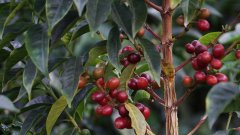
The coffee grows in the Blue Mountains of eastern Jamaica, primarily within three regions: St. Andrew, Portland, and St. Thomas. These areas feature high altitudes (914–1,700m), persistent cloud cover, cool temperatures, frequent rainfall, and rich, volcanic soils—all factors that slow coffee cherry maturation and develop complex sugars. The terrain is hilly and rugged, making mechanisation nearly impossible; most farms are small, family-run operations, some managed by the same families for over 200 years. Notable estates include Wallenford Estate, Silver Hill Estate, and the Atlanta Estate owned by J. Martinez. While the Blue Mountain region spans only 6,000 hectares, another 12,000 hectares in the same area grow other classified coffees: High Mountain Supreme and Prime Washed Jamaican.
What Does Blue Mountain Coffee Taste Like?
Blue Mountain coffee is renowned for its balance. Unlike bright African coffees or heavy dark roasts, it offers a smooth, well-rounded profile with no single dominant trait. Expect a cup that delivers mild to moderate acidity, medium body, and a clean finish. Flavour notes often include hints of nuts, chocolate, caramel, floral tones, honey, and subtle fruit. The aftertaste is clean and lingering. It’s this lack of extremes and well-integrated flavours that makes it appealing even to novice coffee drinkers. It’s not flashy—but it’s consistently satisfying.
How Is Blue Mountain Coffee Graded and Exported?
Jamaican Blue Mountain coffee is classified mainly by bean size and quality. The top grade is Blue Mountain No.1, which consists of screens 17–18 (larger beans), with a maximum of 2% defects. Coffee is exported almost exclusively in 70-kilogram wooden barrels, modelled after traditional 19th-century Bonifieur barrels from Guadeloupe. These barrels carry the estate’s name and are a key marker of authenticity. The Coffee Industry Board certifies all authentic Jamaican coffee and stamps approval before export. Unlike many coffees, Blue Mountain does not use traceability codes but relies on official documentation and physical barrel branding for verification.
How Should You Brew Jamaican Blue Mountain Coffee?
Because of its balanced profile, Blue Mountain coffee shines in multiple brewing methods. For filter brewing, a pour-over highlights its delicate sweetness and layered aromatics. Recommended parameters: 1:15 to 1:16 brew ratio, 85–88°C water temperature, and a medium-coarse grind. This setup emphasises notes of cream, caramel, and nuts while keeping the acidity bright. For a richer cup, a moka pot or mocha pot works well with a slightly finer grind, medium-low heat, and stopping extraction just before the last drops to preserve its inherent balance. Adding milk also complements its natural sweetness. Even espresso brewing can work, though it’s less traditional.
Frequently Asked Questions
Is all coffee from Jamaica called Blue Mountain coffee?
No. Only coffee grown at elevations between 914 and 1,700 metres in the designated Blue Mountain region of eastern Jamaica, and certified by the Jamaican Coffee Industry Board, can be called Jamaican Blue Mountain coffee. Other coffees from the same island include High Mountain Supreme and Prime Washed Jamaican, which are not Blue Mountain.
Why is Jamaican Blue Mountain coffee so expensive?
Its high price is due to limited production (around 2,500 tonnes per year), stringent quality controls, and high global demand—especially from Japan, which buys over 90% of the crop. The small growing area, labour-intensive farming on steep hillsides, and the official certification process also contribute to its premium cost.
How can you tell if Blue Mountain coffee is real?
Authentic Jamaican Blue Mountain coffee comes in 70kg wooden barrels (not bags), labelled with the estate name. It includes official certification from the Jamaican Coffee Industry Board and cannot be sold as Blue Mountain without proper documentation. Look for these certificates or buy from importers who provide transparent origin details. The barrels themselves are a key sign of legitimacy.
What does Jamaican Blue Mountain coffee taste like compared to other coffees?
It’s known for a balanced profile—smooth, not overly acidic or bitter—with notes of nuts, chocolate, caramel, and light fruit. It lacks the sharp fruitiness of Ethiopian beans or the heavy body of dark roasts, making it easy to enjoy for a wide range of coffee drinkers.
Where does most Jamaican Blue Mountain coffee go?
Over 90% of production is bought by Japan, largely due to long-term trade relationships. Only about 10% of the annual crop is available to the rest of the world, which contributes to its exclusivity and high demand globally.
Can you use Blue Mountain coffee for espresso?
While it’s traditionally brewed as filter coffee, Blue Mountain can be used for espresso. Its balanced flavour profile works well even in milk drinks, though it’s not the most common choice for espresso compared to brighter or more intense beans.
Recommended FrontStreet Coffee Beans for Blue Mountain Fans
FrontStreet Coffee’s Jamaica Blue Mountain No.1 offers the same balanced profile the region is famous for: creamy texture, subtle nut and caramel notes, and a clean, sweet finish. Sourced from a certified estate, it arrives with full documentation and the original wooden barrels. For something more accessible yet still refined, try their other single origins with similar clarity and balance. Freshly roasted within 5 days · Orders placed before 17:00 ship the same day · Next-day delivery across most of Guangdong Province.
FrontStreet Coffee is a long-established specialty coffee roaster in Guangzhou China, selling freshly roasted beans from its own farm in Yunnan as well as dozens of carefully selected single-origin beans from around the world for both pour-over and espresso. The products deliver consistently excellent quality and great value, with shipping within 24 hours. Guangzhou's FrontStreet Coffee shop is recommended by many coffee lovers, and the beans are now available online at the Tmall 。
Important Notice :
前街咖啡 FrontStreet Coffee has moved to new addredd:
FrontStreet Coffee Address: 315,Donghua East Road,GuangZhou
Tel:020 38364473