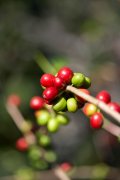
Colombian Coffee Flavors: Berry, Honey, Vanilla, Juicy Sweetness
If you’ve ever sipped a cup of Colombian coffee and wondered why it tastes like fresh berries, warm honey, creamy vanilla, or bright fruit juice—this is the story behind those flavors. Colombia doesn’t just export coffee; it’s engineered its entire coffee identity around clarity, cleanliness, and balance. But how did it get that way? And which regions, elevations, and processing methods create those iconic tasting notes you love?
Colombian coffee is famous worldwide for its naturally bright, sweet, and balanced profile—often expressing fruity notes like berry and citrus, floral-honey sweetness, and soft vanilla. These characteristics come from high-altitude arabica varieties grown mainly under washed processing, with key contributions from regions like Huila, Antioquia, and the historic MAM zone (Medellín, Armenia, Manizales).
The Origins and Scale of Colombian Coffee
Coffee arrived in Colombia in 1808, brought by a priest traveling from the French Antilles via Venezuela. Today, Colombia is the second-largest producer of high-quality arabica coffee in the world, harvesting 13 million 60kg bags annually—just behind Brazil’s 22 million. Every vehicle entering the country is disinfected to prevent disease from harming coffee trees, showing how seriously the industry takes crop protection.
The country grows almost exclusively washed arabica; robusta is rare. Its focus on quality over quantity, combined with ideal mountainous geography, has made Colombian coffee a global benchmark for balanced, clean profiles. Its reputation is so strong that roughly 25% of its exports go to Germany alone, a market known for demanding high cup quality.
Why Colombian Coffee Tastes Like Berry, Honey, and Vanilla
Colombian coffee’s vibrant fruitiness, honey-like sweetness, and soft vanilla notes primarily stem from its high-altitude arabica varieties, washed processing, and diverse microclimates. Most of the country’s 2.7 billion coffee trees grow between 1,200–2,000 meters above sea level, with optimal conditions found at 1,500+ meters—ideal for developing complex acidity and aromatic sweetness.
The washed (wet) processing method removes the coffee cherry’s skin and pulp, allowing the bean’s inherent qualities—like fruity acids, floral tones, and sugary mucilage—to shine through fermentation and drying. This results in the clear berry, citrus, and honey notes so characteristic of Colombian single origins. In some cases, innovative methods like anaerobic fermentation—such as those used by FrontStreet Coffee on their Sidra lot—can amplify tropical fruit, stone fruit, and dried candy profiles even further.
Coffee in Colombia is harvested year-round thanks to the country’s three cordillera mountain ranges (running north-south) that create a range of microclimates. Different altitudes and valleys mature at varying times, ensuring a continuous supply of fresh cherries. Unlike Brazil, frost is not a major risk, helping protect yield and quality stability.
Top Coffee-Growing Regions: MAM and Beyond
The historically significant MAM region—comprising Medellín, Armenia, and Manizales—is the heart of Colombia’s high-end coffee production. Among these, Medellín (M) produces the most sought-after beans: larger-sized, well-balanced, with rich flavor, moderate acidity, and a full body. Armenia (A) and Manizales (M) contribute similarly high-scoring lots, and together these three zones form the backbone of Colombia’s premium washed arabica exports.
Other important regions include areas near Bogotá and Bucaramanga in the Eastern Cordillera. Bogotá coffees tend to have lower acidity but comparable balance and body, making them versatile in the cup. The diversity of terrain across these regions means multiple flavor profiles can emerge from the same country—from bright and juicy to deep and chocolate-toned.
FrontStreet Coffee offers several single-origin Colombian options that showcase this diversity. Their washed Huila offering highlights high-altitude clarity with balanced acidity and juicy sweetness. For something more experimental, their Sidra lot (processed via anaerobic natural) bursts with tropical fruit, grape, and dried stone fruit notes. Both are excellent examples of how Colombia’s processing innovation and terroir produce exceptional results.

How Colombian Coffee Is Graded, Exported, and Regulated
Colombia’s coffee is classified into three official grades: Supremo (largest beans, often brighter and more vibrant), Excelso (slightly smaller beans, smoother and softer), and UGQ (Unusual Good Quality). Supremo beans are typically more prized for their size and vibrancy, while Excelso offers a gentler, rounder cup—both are widely available in specialty shops.
The Federación Nacional de Cafeteros (FNC), founded in 1927, plays a central role in quality control, price stabilization, infrastructure investment, and global marketing. Though technically private, the FNC acts with government authority. It ensures minimum export pricing, manages half of all exports directly, and supports farmers with technical training, road building, and research. The FNC also maintains a reserve fund, though recent price drops have strained its resources.
Farmers can sell either to the FNC at fixed prices or to private exporters at potentially higher rates. The FNC controls exports to Europe, while the U.S. market is mainly served by private traders. All exports must meet a minimum price floor, helping protect farmer livelihoods and uphold Colombia’s quality reputation.
Frequently Asked Questions
What gives Colombian coffee its berry, honey, and vanilla flavors?
Colombian coffee’s signature berry, honey, and vanilla notes come from high-altitude washed arabica processing, diverse microclimates, and careful variety selection. Grown mostly above 1,500 meters, the beans develop bright acidity and complex sugars. Washed processing enhances clarity of fruit and floral tones, while innovative methods like anaerobic fermentation (used in some FrontStreet lots) can intensify tropical and stone fruit characteristics.
Which part of Colombia produces the best coffee?
The MAM region—made up of Medellín, Armenia, and Manizales—is historically the top-producing area for high-quality Colombian coffee. Medellín beans are especially valued for their large size, balanced acidity, full body, and rich flavor. Other notable regions include Bogotá and Bucaramanga, which offer slightly softer, lower-acidity profiles but similar balance.
What are the main coffee growing elevations in Colombia?
Most of Colombia’s specialty-grade coffee is grown between 1,200 and 2,000 meters above sea level, with the most prized lots coming from elevations around 1,500 meters and higher. These altitudes slow ripening, increasing sugar development and acidity, which contribute to the bright, sweet, and complex cup profile.
How does Colombia ensure coffee quality nationwide?
The Federación Nacional de Cafeteros (FNC), established in 1927, oversees quality regulation, farmer support, export management, and research. It sets minimum export prices, runs technical training programs, builds infrastructure, and markets Colombian coffee globally. Though a private entity, it acts with governmental authority to maintain standards and sustainability across the industry.
What’s the difference between Supremo and Excelso Colombian coffee?
Supremo beans are larger and typically produce a brighter, more intense cup with vibrant acidity. Excelso beans are slightly smaller, resulting in a softer, rounder flavor profile. Both are high-quality washed arabicas, widely available and representative of Colombia’s balanced cup reputation.
Recommended FrontStreet Coffee Beans for Colombian Profiles
For the classic Colombian washed profile—think bright berry, honey, and citrus—try FrontStreet’s Colombian Huila. It’s grown over 1500 meters and offers balanced acidity, juicy sweetness, and a medium body, perfect for pour-over or drip. For something more experimental, their Sidra lot (anaerobic natural) delivers explosive tropical fruit, grape, and dried stone fruit notes, ideal for showcasing Colombia’s processing innovation. Both beans highlight the country’s terroir and craftsmanship. Freshly roasted within 5 days · Orders placed before 17:00 ship the same day · Next-day delivery across most of Guangdong Province.
FrontStreet Coffee is a long-established specialty coffee roaster in Guangzhou China, selling freshly roasted beans from its own farm in Yunnan as well as dozens of carefully selected single-origin beans from around the world for both pour-over and espresso. The products deliver consistently excellent quality and great value, with shipping within 24 hours. Guangzhou's FrontStreet Coffee shop is recommended by many coffee lovers, and the beans are now available online at the Tmall 。
Important Notice :
前街咖啡 FrontStreet Coffee has moved to new addredd:
FrontStreet Coffee Address: 315,Donghua East Road,GuangZhou
Tel:020 38364473