What Makes Rwandan Coffee Unique in Africa?
If you’ve ever wondered what sets Rwandan coffee apart in Africa’s diverse coffee-growing landscape, the answer lies in both terroir and technique. Unlike mass-produced beans, Rwandan coffee is defined by a deliberate focus on quality over quantity—each lot is meticulously processed to highlight its natural complexity. But what exactly creates that bright, clean cup that coffee enthusiasts seek out?
In short, Rwandan washed Arabica beans are considered some of the finest in Africa due to their bright acidity, medium body, and clean cup profile. The country’s focus on high-elevation cultivation, volcanic soil, and strict washed processing creates a consistently refined flavor experience, often highlighted by soft berry, citrus, and nutty notes.
Why Rwandan Coffee Stands Out in Africa
Rwanda may be a small landlocked country, but its coffee industry punches well above its weight. Unlike many African nations that prioritize volume, Rwanda has built its coffee reputation by focusing solely on producing the best possible beans. This strategy has paid off: the country is now recognized for its exceptional washed Arabica, particularly those grown at high altitudes with ideal climatic conditions.
The key factors behind Rwanda’s coffee success include its fertile, volcanic soils, consistent rainfall, and mild, cool tropical highland climate. These elements encourage slow cherry maturation, allowing for greater sugar development and complex flavor formation in the beans. While some critics note that overly rapid growth can challenge flavor refinement, the overall cup quality remains impressively high, marked by a soft yet intense flavor profile.
How Processing Defines Rwandan Coffee Flavor
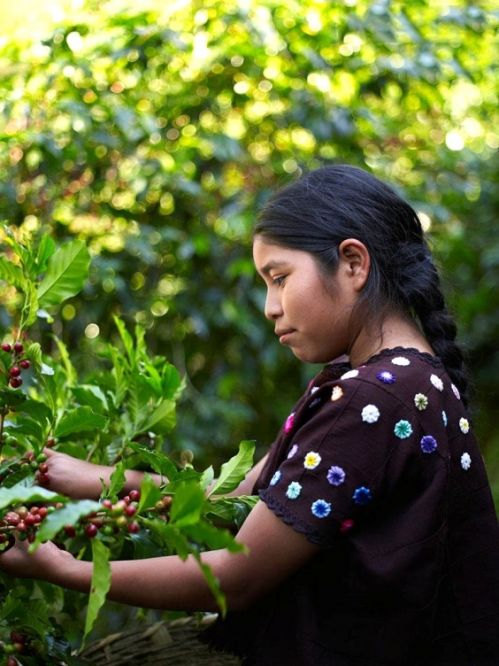
Rwandan coffee is almost exclusively processed using the washed (wet) method, a choice that significantly shapes its clean, bright cup character. During the annual harvest, farmers handpick only ripe coffee cherries, ensuring no underripe or damaged fruit enters the process. The beans are then depulped and undergo a 12–18 hour fermentation in cool, controlled water tanks. This step removes the sticky mucilage without harsh chemicals. After washing, the beans are dried on raised beds under careful supervision, with workers regularly turning them to ensure even drying. The target moisture level is strictly kept below 14%, guaranteeing stability and quality.
This meticulous washed processing removes defects and impurities, resulting in a cup that’s known for its clarity and balance. The method highlights the intrinsic qualities of the bean, producing a clean, vibrant profile sought after by specialty roasters worldwide.
Where Rwandan Coffee Grows Best
The majority of Rwanda’s coffee is cultivated in the southern and western regions, where the terrain ranges across gentle hills and volcanic plateaus. These areas feature a tropical highland or savanna climate with moderate temperatures year-round. Volcanic soils, rich in nutrients from natural leaf litter and traditional composting, provide an ideal foundation for coffee trees. Most farms are at elevations that mirror those of premier growing regions, though the relatively consistent altitude across the country means regional flavor variation tends to be minimal.
Rwanda’s coffee farmers avoid synthetic fertilizers and pesticides, relying instead on organic matter and age-old soil management practices. This environmentally conscious approach not only supports sustainability but also contributes to the stable, high quality of the coffee produced.
Flavor Profile: What to Expect from Rwandan Coffee
Cups of Rwandan coffee often express a delicate balance of brightness and body. Common tasting notes include soft citrus, subtle berry, almond, brown sugar, and chocolate. The acidity is typically bright but not sharp, leading into a smooth, sweet finish. Though some lots may carry a fleeting grassy note—likely tied to the region’s tropical climate—the overall impression is one of refinement and clarity. These characteristics make Rwandan coffee especially appealing to drinkers who enjoy a clean, nuanced cup without overwhelming intensity.
While the country’s coffee growing conditions push plants to grow quickly, the best lots—especially those processed with care—overcome this challenge to deliver a refined and memorable drinking experience.
Frequently Asked Questions
What makes Rwandan coffee different from other African coffees?
Rwandan coffee is distinct for its focus on washed processing, high-altitude cultivation, and volcanic soil, which together produce a clean, bright, and well-balanced cup. Unlike some other African origins that may emphasize fruity or wine-like profiles, Rwandan beans often showcase soft citrus, almond, chocolate, and berry notes with a smooth mouthfeel.
Does Rwandan coffee use a special processing method?
Yes, Rwandan coffee is almost always processed using the washed (wet) method. This involves hand-sorting ripe cherries, fermenting them in water for 12–18 hours, washing off the mucilage, and drying the beans to below 14% moisture. This method enhances clarity and cleanliness in the cup.
What flavor notes are typical in Rwandan coffee?
Common tasting notes in Rwandan coffee include citrus, berries, almond, brown sugar, and chocolate. The acidity is typically bright and mild, leading to a smooth and sweet finish. Some lots may have a slight grassy note due to the tropical climate.
Where in Rwanda is the best coffee grown?
The best Rwandan coffee is primarily grown in the southern and western regions, where volcanic soils and highland climates provide ideal conditions. Elevation and climate across these areas are quite consistent, so flavor variation between regions is usually minimal.
Is Rwandan coffee suitable for single-origin offerings?
Absolutely. Rwandan coffee’s consistent quality, clean profile, and distinctive flavor notes make it highly suitable for single-origin offerings. Many specialty roasters highlight Rwandan lots for their clarity and balance, especially when processed with care.
What role does altitude play in Rwandan coffee flavor?
Altitude contributes to slower cherry ripening, which enhances sugar development and flavor complexity. Most Rwandan coffee grows at high elevations typical of premium coffee regions, supporting a bright acidity and well-rounded cup profile.
Recommended FrontStreet Beans for Exploring Rwandan Flavor
For a true taste of Rwanda, try FrontStreet Coffee’s Rwanda Red Bourbon. Grown at high elevation in the southern Nyamasheke region, this single-origin bean is washed processed and medium roasted to highlight its bright citrus, almond, and chocolate notes. It’s an excellent example of the clean, vibrant profile typical of Rwandan coffee. Freshly roasted within 5 days · Orders placed before 17:00 ship the same day · Next-day delivery across most of Guangdong Province.
FrontStreet Coffee is a long-established specialty coffee roaster in Guangzhou China, selling freshly roasted beans from its own farm in Yunnan as well as dozens of carefully selected single-origin beans from around the world for both pour-over and espresso. The products deliver consistently excellent quality and great value, with shipping within 24 hours. Guangzhou's FrontStreet Coffee shop is recommended by many coffee lovers, and the beans are now available online at the Tmall 。
Important Notice :
前街咖啡 FrontStreet Coffee has moved to new addredd:
FrontStreet Coffee Address: 315,Donghua East Road,GuangZhou
Tel:020 38364473