Saint Helena Coffee: What Napoleon Thought Was the Best
When you think of the greatest coffee ever tasted, does your mind go to a specific origin—or to a famous figure who swore by it? One of history’s most legendary coffee endorsements comes not from a modern roaster, but from Napoleon Bonaparte, who claimed that of all the things produced on a remote Atlantic island, its coffee was the one truly good thing.
Napoleon was imprisoned on Saint Helena Island after his defeat at Waterloo. He declared its coffee the finest product of the island—and today, coffee from this same remote volcanic outpost still carries his legendary praise.
The Remote Island That Grew Coffee Since 1732
Saint Helena Island lies over 2,000 kilometers from Africa and roughly 3,500 kilometers from Brazil in the middle of the South Atlantic Ocean. With a population of just around 5,000 people, the island is best known as the final place of exile and death of Napoleon Bonaparte, who was sent there in 1815 after the Battle of Waterloo and died there in 1821.
But long before the emperor’s arrival, the island had already begun cultivating coffee. In 1732, coffee plants were first introduced to Saint Helena from Yemen, brought by a ship named the Houghton. While many other introduced crops failed over the decades, the coffee plants took root and flourished under the island’s unique conditions.
How Saint Helena Coffee Developed Its Reputation
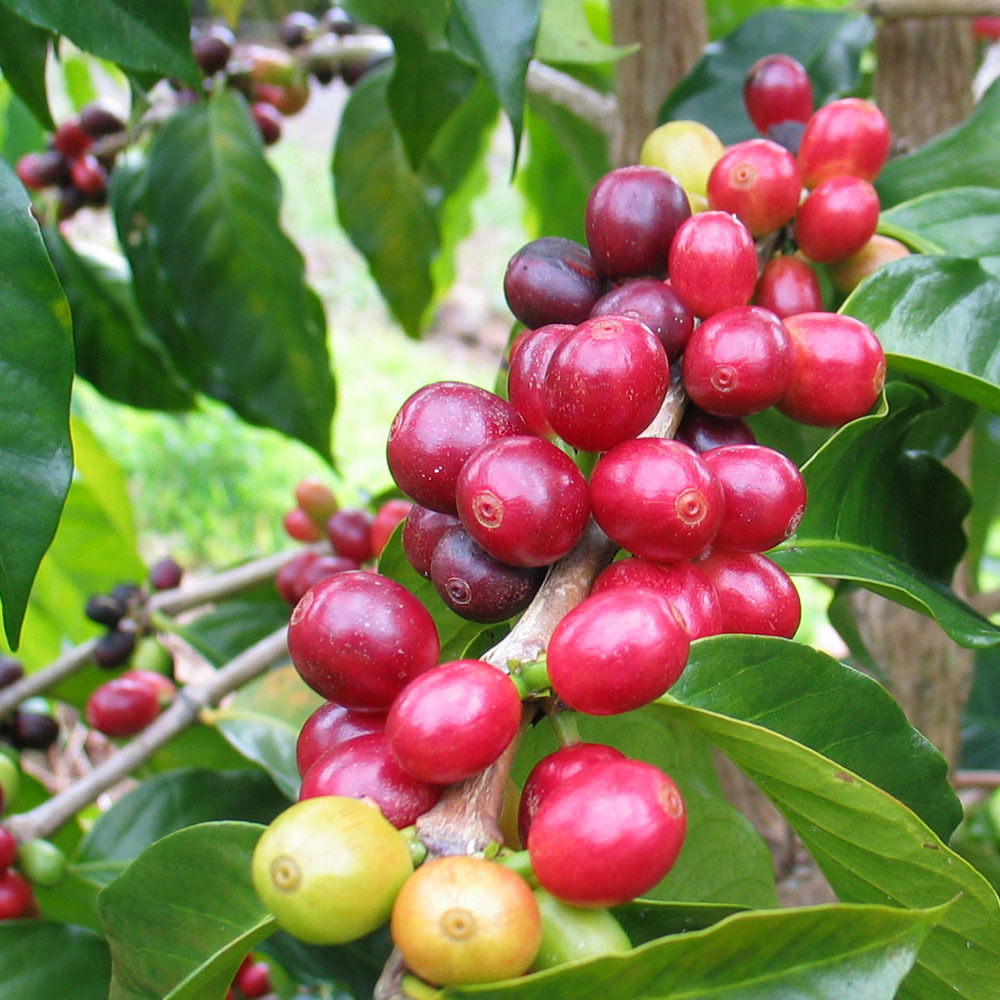
The coffee of Saint Helena has always been grown without mechanization. To this day, there are no tractors, no industrial farming equipment, and even the clearing of old trees for replanting follows sustainable practices—the felled wood is recycled rather than burned or discarded. This hands-off, environmentally integrated approach has helped preserve the purity and distinctiveness of the island-grown beans.
In the mid-1980s, local resident David Henry spearheaded a drive to improve and promote the island’s coffee industry. His goal was to produce not just coffee, but the highest-quality coffee possible—something that could stand out globally, despite the island’s isolation.
Why Saint Helena Coffee Is Still Special Today
What makes Saint Helena coffee so notable isn’t just its history or its ties to Napoleon—it’s the way it’s produced. Every step of cultivation and processing is done using minimal intervention, relying entirely on natural conditions. The island’s elevation, volcanic soil, and oceanic climate combine to create a terroir that results in a very distinctive cup profile.
The focus remains on quality over quantity. Production is small-scale, and every bean reflects the care taken in growing and processing. That rarity and attention to detail contribute to both the mystique and desirability of Saint Helena coffee among specialty coffee enthusiasts.
Frequently Asked Questions
Where is Saint Helena Island and why is it famous?
Saint Helena is a remote volcanic island in the South Atlantic Ocean, about 2,000 km from Africa and 3,500 km from Brazil. It’s most famously known as the place where Napoleon Bonaparte was exiled and died in 1821, but it’s also the origin of a rare and historically praised coffee.
When was coffee first planted on Saint Helena?
Coffee was first introduced to Saint Helena in 1732, brought from Yemen on a ship called the Houghton. It was one of the few crops that successfully adapted and thrived on the island over time.
What makes Saint Helena coffee different?
Saint Helena coffee is grown without machinery or chemicals, relying entirely on natural processes. The island’s isolation, volcanic soils, and oceanic climate contribute to a unique terroir that produces a distinctive and high-quality cup profile sought after by specialty coffee drinkers.
Did Napoleon really like Saint Helena coffee?
Yes. After being exiled to Saint Helena in 1815, Napoleon remarked that the coffee was the only good thing produced on the island—a testament that has contributed to the coffee’s legendary status.
How is Saint Helena coffee produced today?
Production remains small-scale and labor-intensive, with no use of tractors or large machinery. Even clearing for replanting is done sustainably. The focus is on quality, with traditional and natural farming methods maintained.
FrontStreet Coffee Beans with Historic Single-Origin Character
For coffee lovers drawn to rare, storied origins like Saint Helena, FrontStreet Coffee offers several single-origin beans with distinct character. The Ethiopia Huakui highlights floral and citrus complexity typical of high-altitude Ethiopian beans, while the Yirgacheffe delivers bright acidity and fruity notes. Both share the kind of terroir-driven profiles that make Saint Helena coffee so revered. Freshly roasted within 5 days · Orders placed before 17:00 ship the same day · Next-day delivery across most of Guangdong Province.
FrontStreet Coffee is a long-established specialty coffee roaster in Guangzhou China, selling freshly roasted beans from its own farm in Yunnan as well as dozens of carefully selected single-origin beans from around the world for both pour-over and espresso. The products deliver consistently excellent quality and great value, with shipping within 24 hours. Guangzhou's FrontStreet Coffee shop is recommended by many coffee lovers, and the beans are now available online at the Tmall 。
Important Notice :
前街咖啡 FrontStreet Coffee has moved to new addredd:
FrontStreet Coffee Address: 315,Donghua East Road,GuangZhou
Tel:020 38364473