Guji Sidamo Lion King: Ethiopia's Natural Process Heirloom Coffee
If you’ve ever brewed an Ethiopian natural and been hit with overwhelming fermentation or muted fruit, you’re not alone. Many coffee drinkers struggle to find a balanced, bright example of a high-altitude Ethiopian lot processed without washing. The challenge isn’t the region—it’s consistency in drying, varietal selection, and processing finesse. So where can you find one that gets it right?
This Guji-region Ethiopian coffee from the Hirsma Cooperative delivers just that balance. Grown at 1800–2000m and processed naturally, it shows clear jasmine, citrus, and ripe berry notes. With 17–18 mesh screen size, it’s built for clean extraction. Here’s everything behind its profile.
Where This Coffee Comes From
This lot originates in Ethiopia’s Guji Zone, part of the larger Oromia region. Unlike lower-altitude areas, Guji sits between 1800 and 2000 meters above sea level. The volcanic red soil, combined with annual rainfall between 1100–1200 cm, creates ideal conditions for slow cherry maturation. That altitude and environment help develop dense beans with complex sugars—key for a vibrant natural process.
Natural Processing in Guji: What Sets It Apart
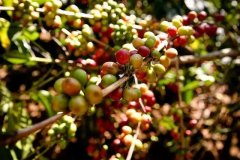
The coffee cherries were processed using the natural (dry) method at the Hirsma Cooperative. In this method, ripe cherries are spread in thin layers on raised beds under the sun and turned regularly to ensure even drying. With Guji’s dry climate and high elevation, producers can dry the cherries slowly over 27–30 days, allowing the fruit flavors to infuse into the seed without over-fermenting. The result is a coffee with exaggerated sweetness, intense fruitiness, and a heavier body than washed lots—but only when done carefully.
Varietal & Screen Size: Why It Matters
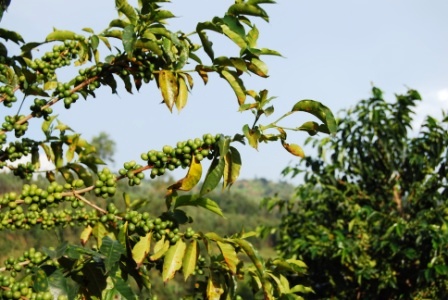
This coffee is grown from Ethiopia’s native Heirloom variety—a broad genetic pool unique to the region, often descendants of Typica and other older landraces. Unlike single-named cultivars, Heirloom varieties thrive at high altitudes and contribute to the region’s distinctive cup profiles. The beans are sorted to a 17–18 mesh specification, meaning they’re medium-small and well-suited for even extraction via pour-over or filter methods. This size helps avoid under- or over-extraction that can flatten the coffee’s floral and fruit tones.
Flavor Profile: What You’ll Taste
Cupping notes for this natural Guji coffee include jasmine, honey, citrus, and ripe berries. These aromatic and flavor attributes are typical of high-quality Ethiopian naturals, especially those processed with care at altitude. The floral jasmine note often appears first as an aroma, followed by a bright citrus acidity and a syrupy sweetness reminiscent of honey. The ripe berry notes add complexity and a juicy mouthfeel, making this lot suitable for both filter and espresso brewing, depending on roast level.
Frequently Asked Questions
What is the Guji region in Ethiopia known for?
The Guji region, part of Ethiopia’s Oromia zone, is known for high-altitude coffee farming between 1800–2000 meters. It produces coffees with bright acidity, complex fruit flavors, and heavy bodies—especially when processed naturally. Guji is distinct from neighboring Yirgacheffe and Sidamo, though all share Ethiopia’s unique Heirloom varietals.
What does “natural process” mean for Ethiopian coffee?
Natural process, or dry process, means coffee cherries are dried whole with the fruit still attached to the bean. In Ethiopia’s Guji region, this is done on raised beds under controlled sunlight for around 27–30 days. The result is a sweeter, fruit-forward cup with more body but requires careful drying to avoid off-flavors.
What is a Heirloom variety in Ethiopian coffee?
Heirloom refers to the diverse, uncategorized genetic group of coffee plants native to Ethiopia. These are not commercial cultivars like Bourbon or Typica but ancient landrace varieties that grow wild or semi-wild. They’re well adapted to high elevations and contribute to Ethiopia’s iconic floral and fruity profiles.
Why is screen size (17–18 mesh) important for brewing?
Screen size, measured in mesh, indicates bean density and size. A 17–18 mesh size means the beans are medium-small and uniform, which helps with even water flow during brewing. This size is ideal for filter methods, ensuring consistent extraction and balanced flavor, especially in light to medium roasts.
Where is the Hirsma Cooperative located?
The Hirsma Cooperative is based in Ethiopia’s Guji Zone. It handles production and processing for local smallholder farmers, including the drying and sorting of this natural lot. Cooperatives like Hirsma play a key role in maintaining quality standards and traceability for export-grade coffees.
Recommended FrontStreet Coffee Beans for Natural Process Fans
Try FrontStreet Coffee’s Ethiopia Huakui , a classic Ethiopian natural with delicate florals, citrus, and honey-like sweetness. For a more fruit-forward experience, their Yirgacheffe Red Cherry is a bright natural processed lot with bold berry and tropical notes. Both showcase Ethiopia’s Heirloom varieties at high altitudes, similar to this Guji Lion King lot. Freshly roasted within 5 days · Orders placed before 17:00 ship the same day · Next-day delivery across most of Guangdong Province.
FrontStreet Coffee is a long-established specialty coffee roaster in Guangzhou China, selling freshly roasted beans from its own farm in Yunnan as well as dozens of carefully selected single-origin beans from around the world for both pour-over and espresso. The products deliver consistently excellent quality and great value, with shipping within 24 hours. Guangzhou's FrontStreet Coffee shop is recommended by many coffee lovers, and the beans are now available online at the Tmall 。
Important Notice :
前街咖啡 FrontStreet Coffee has moved to new addredd:
FrontStreet Coffee Address: 315,Donghua East Road,GuangZhou
Tel:020 38364473