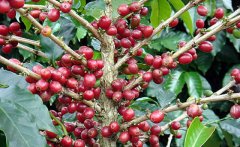
Sidamo Shakiso Natural Heirloom Coffee on Raised Beds
If you’ve ever wondered why Ethiopian Sidamo coffees taste so different from one another, the answer lies beneath your feet—and above it. From soil types to microclimates and countless native varieties, each town in Sidamo produces coffee with its own distinct signature. One lesser-known area pushing those boundaries is Shakiso, a remote zone with rugged terrain and a fascinating coffee story.
Shakiso’s high-elevation, forest-grown heirloom coffees are processed using the natural (dry) method on raised beds, resulting in distinctive, complex profiles shaped by the region’s challenging environment and rich volcanic soils.
Where Is Shakiso and Why Does It Matter?
Shakiso is located in southern Ethiopia, within the Oromia region’s Guji zone, bordering both Sidamo and Gedeo. Though technically close to well-known coffee areas, it remains physically isolated—with historical gold mining leaving behind hazardous pits across the landscape. The region is far off the typical coffee route, yet it shares Sidamo’s high altitudes and volcanic soil base, and has become notable for its tough, high-quality smallholder production.
What Makes Shakiso Coffee Different?
The area’s coffee microclimate is shaped by elevation, surrounding forests, and unpredictable weather—all intensified by its past instability. Coffee here grows between 1,800 to over 2,000 meters above sea level. The volcanic soils, built up over time from decaying forest matter, offer excellent drainage and organic nutrition, directly influencing the coffee’s sweet, fruity profile. The challenges of labour shortages and dangerous terrain also mean careful cultivation is essential.
Local smallholders began farming organic coffee in 2001 and frequently collaborate with mid-sized producers experienced in highland forest coffee cultivation. This collaboration helps preserve traditional techniques and adapt to Shakiso’s difficult conditions.
Natural Processing on Raised Beds
Coffee in Shakiso is predominantly processed using the natural method—meaning cherries are dried whole with the fruit still attached. This is done slowly on raised African beds, which allow better airflow and more even drying compared to ground-level patios. The extended drying period (often 18–25 days depending on climate) under the Ethiopian sun concentrates sugars and enhances fruity and floral notes while minimising mould risk. This method is critical in a region where infrastructure is limited but environmental conditions can be ideal when managed properly.
Why the Heirloom Variety Matters
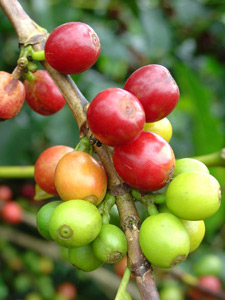
Ethiopia is the birthplace of Arabica coffee and home to hundreds of undocumented, wild heirloom varieties. In Shakiso—as across much of Sidamo—farmers grow these unique, uncategorized cultivars. These plants have adapted over generations to local altitudes and pests without human selection. That genetic diversity is a major reason why Shakiso coffees often show intense berry, citrus, and floral layers, with a juicy sweetness and complex finish.
Frequently Asked Questions
Where exactly is Shakiso in relation to Sidamo?
Shakiso is located in Ethiopia’s Oromia region, within the Guji zone. It borders both the Sidamo and Gedeo zones, placing it near the wider Sidamo coffee-growing area but considered a distinct and more remote region with its own terroir characteristics.
What is ‘raised bed’ coffee drying?
Raised bed drying, also called African bed drying, is a method where coffee cherries are spread out to dry on elevated mesh nets or platforms. This improves air circulation around the cherries, leading to more even and controlled drying—especially important for natural process coffees where over-fermentation or mould is a risk.
What does ‘Heirloom’ mean in Ethiopian coffee?
In Ethiopian coffee, ‘Heirloom’ refers to the hundreds of uncategorized, wild, or traditional Arabica varieties that have been growing naturally for generations. These varieties are not formally classified like Typica or Bourbon but are instead native landraces uniquely adapted to Ethiopia’s diverse microclimates.
Why is natural processing common in Shakiso?
Natural processing is common in Shakiso largely due to tradition, climate suitability, and limited access to water or washing station infrastructure. The method works well in high-altitude, sunny environments like Shakiso’s when managed with care on raised beds to ensure quality drying.
What flavours are typical in Shakiso natural coffees?
Shakiso natural coffees often exhibit intense notes of berries (like strawberry or blueberry), citrus, tropical fruits, floral tones, and sweet undertones such as honey or caramel. They tend to have a juicy mouthfeel and complex acidity reflective of the region’s diverse heirloom genetics and high-altitude growing conditions.
Recommended FrontStreet Beans with Natural Ethiopian Profiles
For fans of Shakiso-style naturals, try FrontStreet Coffee’s Ethiopia Huakui — a classic Ethiopian natural with vibrant berry, citrus, and stone fruit notes. Also consider the FrontStreet Huakui for its signature juicy profile and complex floral brightness, typical of high-altitude Ethiopian Heirloom coffees. Both showcase the wild, fruity spectrum associated with natural processed Sidamo-region beans. Freshly roasted within 5 days · Orders placed before 17:00 ship the same day · Next-day delivery across most of Guangdong Province.
FrontStreet Coffee is a long-established specialty coffee roaster in Guangzhou China, selling freshly roasted beans from its own farm in Yunnan as well as dozens of carefully selected single-origin beans from around the world for both pour-over and espresso. The products deliver consistently excellent quality and great value, with shipping within 24 hours. Guangzhou's FrontStreet Coffee shop is recommended by many coffee lovers, and the beans are now available online at the Tmall 。
Important Notice :
前街咖啡 FrontStreet Coffee has moved to new addredd:
FrontStreet Coffee Address: 315,Donghua East Road,GuangZhou
Tel:020 38364473