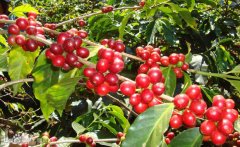
Indonesia Bali Natural Process Coffee Review
If you’ve ever tasted a sun-dried Indonesian coffee and wondered why it tastes more like ripe peaches and pineapple jam than earthy Robusta, you’re not alone. Many coffee drinkers assume Indonesian beans are harsh or overly earthy—but Bali’s high-elevation natural process offerings are changing that narrative with juicy, dessert-like profiles. This article breaks down one standout example and explains what makes it so different.
The Bali Karana Kintamani Ubud Natural coffee displays intense melon and tropical fruit aromas in the green bean stage, transitions to pineapple and strawberry jam flavors on brew, and finishes with black sugar, dark chocolate, and hazelnut sweetness. It’s grown at 1400 meters in Bali’s Kintamani volcanic region, processed naturally, and harvested between June and September.
Where This Coffee Comes From
This exceptional lot hails from Bali’s Kintamani highlands, specifically around the Ubud area. The coffee is cultivated at an elevation of 1400 meters above sea level, conditions that slow ripening and build complexity in the cherry. The harvest window runs annually from June to September, ensuring optimal ripeness before processing begins.
The region’s volcanic soils, combined with consistent microclimates, contribute to the distinct fruit-forward characteristics found in the cup. Unlike lower-altitude plantations, these high-elevation farms experience extended maturation periods, which enhance sugar development in the coffee cherry.
Natural Processing in Bali: What Makes It Different
This coffee is processed using the traditional natural (dry) method, where ripe cherries are spread in thin layers on raised beds and dried under the sun until their moisture content drops to optimal levels—typically around 11–12%. The process can take up to four weeks, depending on weather conditions, and requires frequent turning to ensure even drying.
Unlike washed processing, which removes the fruit before drying, the natural method retains the entire coffee cherry during drying. This allows the beans to absorb more sugars and fruity compounds from the pulp, resulting in a syrupy body and pronounced sweetness. In Bali, producers often extend drying times slightly to develop deeper fruit tones without over-fermenting.
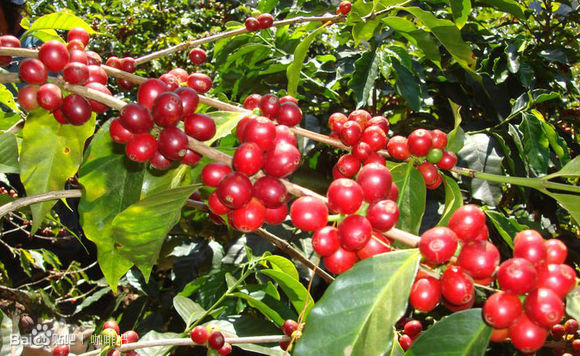
Varietals and Processing Details
The lot consists of a blend of traditional Indonesian coffee varieties: USDA, Karka, and S-795. These varietals are chosen for their adaptability to Bali’s volcanic soils and elevations, as well as their potential to express vibrant fruit and floral characteristics when processed naturally.
The beans are processed at the Ubud processing facility, where meticulous attention is given to sorting and drying. The use of full ripe cherries and controlled sun exposure helps achieve the desired balance of acidity, sweetness, and body. The extended fermentation inherent in natural processing is carefully monitored to avoid undesirable off-flavors, preserving instead the lush tropical and stone fruit notes.
Flavor Profile Breakdown
In the green state, the beans emit strong cantaloupe and other tropical fruit scents. Once brewed, those aromas evolve into brighter notes of pineapple and strawberry jam. As the cup cools, the acidity smooths out into a rounded, complex profile, with a sweet finish highlighted by handmade brown sugar, refined dark chocolate, and hazelnut tones.
The overall mouthfeel is syrupy and dense, with a sweetness that persists through the finish. Unlike many Central and South American naturals, this Bali offering presents an intensity of ripe fruit that can rival—or even surpass—some of the more celebrated estates from those regions.
Frequently Asked Questions
What makes Bali coffee different from other Indonesian coffees?
Bali coffee, especially from high-altitude regions like Kintamani, is typically processed with greater care than mass-produced Sumatran or Javanese coffees. While Sumatra is known for its earthy, low-acid profiles (often wet-hulled), Bali naturals emphasize tropical fruit, sweetness, and a cleaner cup due to higher elevations and meticulous natural processing methods.
What is the natural (dry) processing method?
Natural processing involves drying coffee cherries in their entirety under the sun, without removing the pulp. This method allows the bean to absorb natural sugars from the fruit, resulting in a sweeter, fruitier cup with heavier body. It requires careful monitoring to prevent mold or over-fermentation.
Which coffee varieties are used in this Bali lot?
This particular lot is a blend of USDA, Karka, and S-795 varieties. These are traditional Indonesian cultivars selected for their performance at high elevations and their ability to produce complex, fruity flavors when processed naturally.
When is Bali coffee typically harvested?
The harvest season in Bali’s Kintamani region runs from June to September. This period ensures the coffee cherries reach optimal ripeness before being picked and processed.
Why does natural processed coffee taste sweeter?
Because the coffee beans remain in contact with the fruit pulp throughout drying, they absorb more natural sugars. This leads to enhanced sweetness, syrupy mouthfeel, and prominent fruit flavors compared to washed or honey processed coffees.
Is this coffee suitable for home brewing methods like pour-over or French press?
Yes. Due to its syrupy body and bright fruit notes, this Bali natural works particularly well in pour-over methods that highlight clarity (like V60 or Kalita Wave), as well as immersion methods like French press that emphasize body and sweetness.
Recommended FrontStreet Natural-Process Beans
For fans of this Bali natural, try FrontStreet’s Ethiopia Huakui (Huakui), which shares bold fruitiness with notes of mango and fermented sweetness. Also consider FrontStreet’s Yirgacheffe Red Cherry, a bright natural with floral and berry notes. Both highlight the qualities of extended fruit contact during drying, much like Bali’s Karana Kintamani. Freshly roasted within 5 days · Orders placed before 17:00 ship the same day · Next-day delivery across most of Guangdong Province.
FrontStreet Coffee is a long-established specialty coffee roaster in Guangzhou China, selling freshly roasted beans from its own farm in Yunnan as well as dozens of carefully selected single-origin beans from around the world for both pour-over and espresso. The products deliver consistently excellent quality and great value, with shipping within 24 hours. Guangzhou's FrontStreet Coffee shop is recommended by many coffee lovers, and the beans are now available online at the Tmall 。
Important Notice :
前街咖啡 FrontStreet Coffee has moved to new addredd:
FrontStreet Coffee Address: 315,Donghua East Road,GuangZhou
Tel:020 38364473