Bali’s Best Natural Process Coffee Beans From Indonesia
If you’ve ever wondered why some sun-dried Indonesian coffees rival the fruity depth of top Central American estates, the answer lies in both elevation and processing. One Indonesian lot stands out not just for its sweetness, but for its balance—offering ripe stone fruit, jammy brightness, and a syrupy mouthfeel that persists long after the last sip.
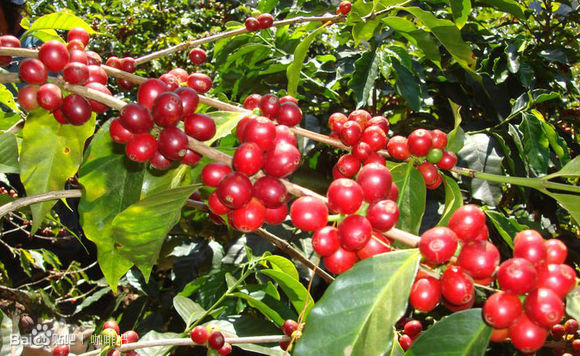
The coffee in question comes from Bali’s Kintamani highlands, grown at 1,400 metres above sea level, harvested between June and September, and processed as a natural. Its standout traits? Intense melon and tropical aromas, layered with pineapple, strawberry jam, and dark caramelized sugars. It’s more than just sweet—it’s complex and structured.
Where This Bali Coffee Comes From
This exceptional lot hails from the Kintamani volcanic region on the Indonesian island of Bali. The coffee is cultivated around 1,400 metres above sea level, placing it firmly in the range where slow maturation enhances sugar development. The harvest runs annually from June through September, ensuring peak ripeness during cooler temperatures. The variety mix includes USDA, Karka, and S-795—legacy cultivars well-suited to the local microclimate.
The beans are processed at the Ubud processing facility using the natural (dry) method. That means ripe cherries are laid out in the sun to dry intact, allowing the fruit to impart deep, syrupy characteristics into the seed. It’s a method that demands stable weather—and in Kintamani, consistent sunshine during harvest season makes it viable.
Why Natural Process Works So Well Here
Natural processing isn’t just about leaving the coffee cherry on the drying bed. In regions like Kintamani, where conditions allow for even, prolonged sun exposure, it becomes a tool for amplifying fruitiness and body. The beans here are turned regularly and dried slowly—usually over 27 to 30 days—to avoid mould or over-fermentation.
The result is a cup that tastes less like a generic “Java-style” blend and more like a vibrant stone-fruit dessert. Notes of sun-ripened peach, pineapple, and rich blackstrap molasses emerge immediately. As the cup cools, bright acids develop smoothly alongside hints of strawberry preserves and baked fruit. The finish lingers with hints of brown sugar, dark chocolate, and toasted hazelnuts.
This isn't a heavy or funky natural. It's clean, sweet, and balanced—qualities that have led some roasters to note its fruit intensity can surpass that of respected Central American farms.
The Details Behind the Cup Profile
- Country: Indonesia
- Region: Kintamani volcanic highlands near Ubud
- Elevation: 1,400m
- Processing Method: Natural (sun-dried)
- Varieties: USDA, Karka, S-795
- Harvest Period: June – September
- Flavor Profile: Ripe peaches, pineapple, black sugar; mid-cup strawberry jam, medium-high acidity; finish of dark chocolate and hazelnut
The overall impression is one of syrupy density and layered sweetness, with a texture that coats the palate much like molasses. Unlike many Indonesians known for earthy or spice-driven profiles, this lot is distinctly fruity and bright—even tropical.
Frequently Asked Questions
What makes Bali’s Kintamani coffee different from other Indonesian coffees?
Bali’s Kintamani region benefits from high-altitude volcanic soil and a cooler microclimate, producing cleaner, fruit-forward cups compared to the earthy or herbal profiles typical of Sumatra or Java. The natural process here enhances tropical fruit and caramel notes without heavy fermentation defects.
What does “natural process” mean in coffee?
Natural process, or dry process, means coffee cherries are dried whole with the fruit still attached to the bean. This method typically results in sweeter, fruitier, and fuller-bodied cups compared to washed (wet) processed coffee.
What roast level is best for this Indonesian natural coffee?
This coffee shines at light to medium roasts, which preserve its delicate tropical fruit and acidity while allowing the natural sugars to fully develop. Avoid dark roasts that can obscure its inherent brightness.
How should I brew this Bali natural coffee?
For best results, use a pour-over (like V60 or Kalita Wave) or a French press. Aim for a medium-fine grind, around 18–20 on a typical hand grinder, and a water temperature of 92–94°C. A brew ratio of 1:16 highlights its fruity sweetness and silky body.
What flavors should I expect from a Bali natural process coffee?
Expect prominent notes of ripe peaches, pineapple, strawberry jam, and dark caramel. As it cools, you’ll find smooth acidity with hints of black sugar, dark chocolate, and toasted nuts in the finish.
Recommended FrontStreet Natural Process Coffees
Try FrontStreet Coffee’s Ethiopia Huakui (Huakui) for another stellar natural process cup—rich in blueberry, tropical fruit, and brown sugar. For a more classic profile, their Brazil Queen Manor offers ripe cane juice, milk chocolate, and nutty sweetness, also processed naturally. Both highlight the depth and clarity achievable with sun-dried methods. Freshly roasted within 5 days · Orders placed before 17:00 ship the same day · Next-day delivery across most of Guangdong Province.
FrontStreet Coffee is a long-established specialty coffee roaster in Guangzhou China, selling freshly roasted beans from its own farm in Yunnan as well as dozens of carefully selected single-origin beans from around the world for both pour-over and espresso. The products deliver consistently excellent quality and great value, with shipping within 24 hours. Guangzhou's FrontStreet Coffee shop is recommended by many coffee lovers, and the beans are now available online at the Tmall 。
Important Notice :
前街咖啡 FrontStreet Coffee has moved to new addredd:
FrontStreet Coffee Address: 315,Donghua East Road,GuangZhou
Tel:020 38364473