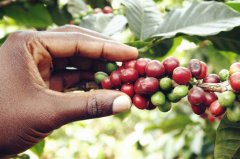
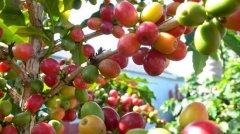
Papua New Guinea Coffee Beans and Their Island Flavor
If you’ve ever sipped a cup of coffee that had a bright acidity, hints of stone fruit, and a smooth nuttiness with an oddly clean finish, you might have been drinking coffee from Papua New Guinea—and not even known it. This Pacific island nation produces some of the most distinctive yet underappreciated specialty coffee in the world, often overlooked despite its fascinating backstory and consistent quality.
Papua New Guinea’s coffee is primarily grown at elevations between 1300 and 1800 meters, mainly on smallholder farms. The majority of its output is graded either A or AB, with A grade being the more refined choice for those seeking balanced sweetness and pronounced acidity. Most of the country’s coffee is processed using the traditional washed method, contributing to its clarity and vibrant fruit notes.
The Origins of PNG Coffee
Approximately 75% of Papua New Guinea’s coffee is produced by small, local farms, many of which are carved out of dense forest areas—some so remote they are nearly isolated from the rest of the world. These highland farms benefit from the country’s mountainous terrain, which provides ideal growing conditions for coffee. Most cultivation occurs between 1300 and 1800 meters above sea level, although limited coffee is grown at lower altitudes. Due to transportation challenges, the use of chemical fertilizers and pesticides is rare, leading to largely organic growing practices by default.
Economic Role and Historical Development
Coffee plays a crucial role in Papua New Guinea’s economy, directly and indirectly employing over one million people. The industry is overseen by the Coffee Industry Board, headquartered in Goroka, though exports are handled by private companies. A pivotal moment came in 1975 when a frost devastated Brazil’s coffee crops, creating an opening for PNG to expand its production. In response, the government launched a program to help rural landowners develop around 20-hectare coffee estates. By 1990, annual production had reached one million 60kg bags.
Quality Challenges and Market Impact
This rapid increase in production, however, led to a decline in overall quality. Prior to 1991, most PNG coffee was decent, typically falling into the Y grade category, which commanded premium pricing. But after 1991, quality deteriorated, resulting in the loss of key European markets. The existing “one grade, one price” policy couldn’t accommodate the variability in coffee quality, causing lower-grade beans to tarnish the reputation of the Y grade. As a result, excess stock built up, and the premium associated with Y grade diminished.
Government Reforms and Recovery
To address the issue, the government introduced new quality grades, suspended production of the Y grade temporarily, and abandoned the single-price system. This shift allowed buyers to pay based on actual coffee quality, inevitably affecting farmers who previously relied on selling lower-grade beans. By 1993, quality had largely recovered, and many former buyers returned. The Y grade was reintroduced at a slightly lower premium, reflecting its improved but not peak status.
Growing Conditions and Varieties
Despite the challenges in consistency, the country’s high-altitude regions provide excellent conditions for coffee cultivation. Most of the coffee is grown organically and under shade. The primary variety planted is Typica, originally brought from Jamaica’s Blue Mountains. Thanks to the similar altitude, climate, and rainfall, the trees adapted well to PNG’s environment. The high elevation, traditional washed processing, and isolation from other coffee-growing regions all contribute to PNG coffee’s distinctive cup profile.
Flavor Profile and Grading
Papua New Guinea coffee typically features a full body, moderate acidity, and a complex flavor profile that includes notes of nuts, stone fruits, and subtle spice. While AA grade beans are rare, the more commonly available A and AB grades are well-regarded. A grade beans are especially prized for their rounded shape, lighter acidity, and lingering aftertaste. AB grade offers a slightly more robust cup with good balance.
Why PNG Coffee Stands Out
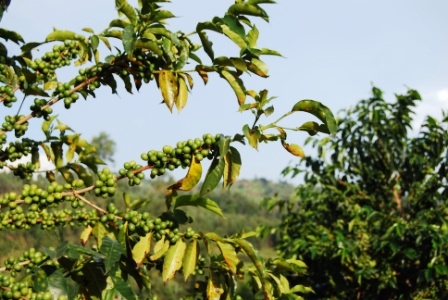
Unlike the earthy, spicy profiles typical of other Southeast Asian coffees, PNG coffee offers a brighter, more acidic cup akin to high-quality Latin American coffees. Its clean, vibrant flavors come from the high-altitude washed processing and the island’s unique terroir. Despite being less well-known than Ethiopian or Colombian beans, PNG coffee delivers a surprising and satisfying experience, especially for drinkers seeking something different from the usual suspects.
Frequently Asked Questions
Where is Papua New Guinea coffee grown?
Papua New Guinea coffee is grown in the highland regions of the country, primarily at elevations between 1300 and 1800 meters. The rugged terrain and forested environments make much of this production small-scale and hard to reach.
What is the main coffee variety grown in PNG?
The dominant coffee variety in Papua New Guinea is Typica, which was introduced from Jamaica’s Blue Mountains. It thrives in PNG’s similar high-altitude, rainy, and cool climate conditions.
How is PNG coffee processed?
Most PNG coffee is processed using the traditional washed method, where the coffee cherry is pulped and the beans are fermented and washed to remove mucilage before drying. This contributes to the coffee’s clarity and bright flavors.
What are the common coffee grades in PNG?
The most common grades are A and AB. A grade is considered higher quality, with good bean uniformity, lighter acidity, and a more refined cup. AB grade is slightly more varied but still offers a balanced and enjoyable profile. The Y grade was historically premium but saw quality issues before reforms in the 1990s.
Why is PNG coffee less well-known than other origins?
Despite its high quality, PNG coffee has suffered from inconsistent production, limited marketing, and past quality control issues. Its remote location and smaller export volumes also contribute to its lower profile compared to more prominent origins like Ethiopia or Colombia.
What does PNG coffee taste like?
PNG coffee typically has a full body, moderate acidity, and flavors that include nuts, stone fruits, and mild spices. A grade beans tend to have a softer acidity and a pleasant, sweet aftertaste, while AB grade offers a slightly bolder cup with good balance.
Recommended FrontStreet Beans for Exploring Island Coffee Flavors
Try the FrontStreet (Paradise Bird) from Papua New Guinea’s Western Sigi Estate. This single-origin offering is carefully handpicked, fully washed, and sun-dried on raised beds for optimal clarity. It shows a bright, balanced profile with toasted bread sweetness, nutty undertones, and a unique spicy finish. Medium-roasted, it presents a rich yet smooth cup with fruity highlights reminiscent of tropical island growth. Freshly roasted within 5 days · Orders placed before 17:00 ship the same day · Next-day delivery across most of Guangdong Province.
FrontStreet Coffee is a long-established specialty coffee roaster in Guangzhou China, selling freshly roasted beans from its own farm in Yunnan as well as dozens of carefully selected single-origin beans from around the world for both pour-over and espresso. The products deliver consistently excellent quality and great value, with shipping within 24 hours. Guangzhou's FrontStreet Coffee shop is recommended by many coffee lovers, and the beans are now available online at the Tmall 。
Important Notice :
前街咖啡 FrontStreet Coffee has moved to new addredd:
FrontStreet Coffee Address: 315,Donghua East Road,GuangZhou
Tel:020 38364473