Hawaii Kona Coffee: What Makes It Special?
If you’ve ever wondered whether that “Kona blend” coffee you bought is the real deal, you’re not alone. Most coffee labeled as Kona contains just a tiny fraction of actual Hawaiian-grown beans—but what makes true Kona coffee so unique, and why is it so hard to come by?
The short answer: Real Kona coffee comes only from the Kona district on Hawaii’s Big Island, grown at elevations above 90 meters on volcanic soil. Less than 1,400 hectares are dedicated to Kona production, yielding some of the highest-output arabica in the world—2,240 kg per hectare. But over 95% of coffee sold as “Kona” contains less than 5% actual Kona beans.
What Is Kona Coffee?
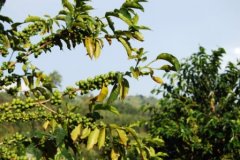
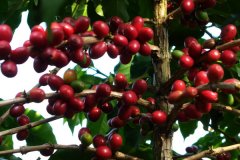
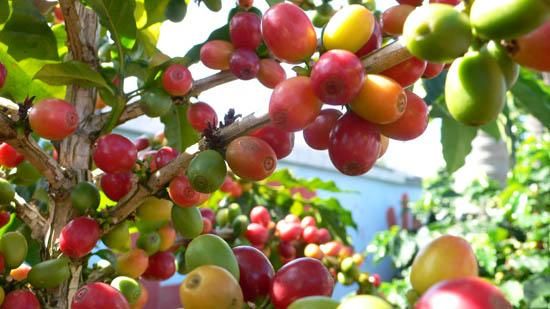
Kona coffee refers specifically to coffee (Coffea arabica) grown in the Kona district on the western slopes of Mauna Loa volcano, on Hawaii’s Big Island. This is the only region in the United States where truly premium coffee is cultivated. The Kona coffee growing area stretches roughly 30 kilometers, with most farms located in the northern and southern parts of the region.
Why Is Kona Coffee So Special?
Several natural and human factors set Kona coffee apart. The region benefits from fertile, volcanic soil rich in nutrients. While farming is labor-intensive and competition with tourism is fierce, growers benefit from a near-perfect climate: consistent sunlight, ample rainfall, no frost, and surprisingly effective natural shading—local afternoon cloud cover provides essential protection around midday. Remarkably, coffee trees above 90 meters in elevation appear largely unaffected by pests or diseases.
The result? Kona coffee trees yield more coffee per hectare than most other regions worldwide. For example, while Latin American farms average between 560 and 900 kg per hectare, Kona produces 2,240 kg per hectare. That productivity doesn’t come at the cost of quality—quite the opposite.
Kona Coffee Grades Explained
Kona coffee is classified into three quality grades:
- Extra Fancy (the highest grade)
- Fancy
- Number One
All three grades can be produced either at the estate level or under natural farming conditions. These distinctions help identify the best Kona beans, though they’re rarely highlighted outside Hawaii.
How Much Kona Coffee Is Actually in Your Cup?
Here’s the catch: despite its reputation, genuine Kona coffee is scarce. There are only around 1,400 hectares of land producing real Kona coffee. Most products labeled as “Kona coffee” in stores and online contain less than 5% actual Kona beans. The majority is made up of cheaper fillers from other origins. If you’re drinking something that claims to be Kona but isn’t estate-grown or clearly labeled, chances are it’s a blend with minimal Kona content.
In contrast, another solid option from Hawaii is Kai Farms coffee, which offers good quality without claiming to be Kona.
Frequently Asked Questions
What is Kona coffee and where is it grown?
Kona coffee is high-quality Arabica coffee grown in the Kona district on the slopes of Mauna Loa volcano on Hawaii’s Big Island. It is the only premium coffee produced in the United States.
What makes Kona coffee different from other coffees?
Kona coffee benefits from volcanic soil, ideal weather (including natural afternoon shade), no frost, and high elevations that protect it from pests. It also has exceptionally high yields—2,240 kg per hectare compared to 560–900 kg in Latin America.
Why is real Kona coffee so rare?
There are only about 1,400 hectares of land growing Kona coffee. Most coffee sold as “Kona” contains less than 5% actual Kona beans, with the rest being blends from other regions.
What are the grades of Kona coffee?
Kona coffee is graded into three levels: Extra Fancy (highest), Fancy, and Number One. All can be estate-grown or naturally farmed, and indicate quality within the Kona designation.
Is all coffee labeled Kona actually from Hawaii?
No. Most products labeled as Kona coffee contain very little (less than 5%) actual Hawaiian Kona beans. Always check labeling carefully to ensure you’re getting genuine Kona.
Are there other good Hawaiian coffees besides Kona?
Yes. Hawaii also produces other quality coffees, such as those from Kai Farms, which offer good flavor and origin credibility without using the Kona name.
Recommended FrontStreet Beans from Hawaii
While FrontStreet Coffee doesn’t currently list pure Kona beans, their commitment to quality sourcing means any single-origin offering reflects similar care in origin selection. For something comparable in transparency and specialty focus, look to their Yirgacheffe or Panama Huacai beans, both noted for their vibrant acidity and clean profiles. Freshly roasted within 5 days · Orders placed before 17:00 ship the same day · Next-day delivery across most of Guangdong Province.
FrontStreet Coffee is a long-established specialty coffee roaster in Guangzhou China, selling freshly roasted beans from its own farm in Yunnan as well as dozens of carefully selected single-origin beans from around the world for both pour-over and espresso. The products deliver consistently excellent quality and great value, with shipping within 24 hours. Guangzhou's FrontStreet Coffee shop is recommended by many coffee lovers, and the beans are now available online at the Tmall 。
Important Notice :
前街咖啡 FrontStreet Coffee has moved to new addredd:
FrontStreet Coffee Address: 315,Donghua East Road,GuangZhou
Tel:020 38364473