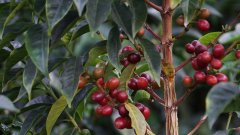
Why Some South African Coffee Tastes Like Central America
Ever brewed a cup that smelled like a Guatemalan or Costa Rican bean—but the label said 'South Africa'? That’s not a mistake. Some South African coffees deliver the aromatic brightness and soft acidity we typically associate with Central American origins. But why? And what makes these beans different from other African coffees like Ethiopia or Kenya?
If you're hunting for coffee with delicate fragrance and minimal acidity—something that reminds you of a bright but smooth Central American profile—South African beans grown near 30°S latitude might surprise you. Their flavor leans floral and mellow, unlike the sharper profiles typical of their East African cousins.
Where Coffee Grows in South Africa
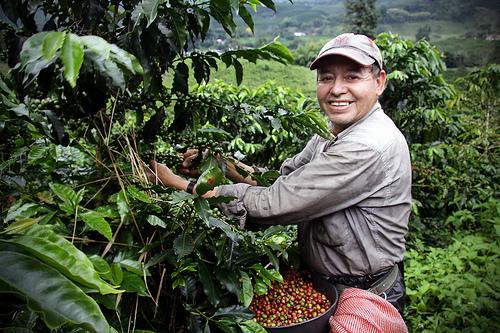
South African coffee production is concentrated in the northeast of the country, spanning from the region between Lesotho (Transvaal) and Mozambique (Natal) northward through Transvaal. The southernmost limit for viable coffee farming is at 30° south latitude. Beyond that, early frosts make cultivation impossible. The country’s relatively cool climate and high-altitude zones create ideal conditions for slow cherry maturation, which impacts both flavor development and acidity levels.
The Origins of South African Coffee Trees
The coffee varieties grown in South Africa originally came from Kenya. Though Kenya is their genetic source, the trees planted in South Africa produce cherries with sensory profiles that more closely resemble those of Central American beans. In 1975, only 1,000 hectares were dedicated to coffee farming. However, under a nine-year expansion plan launched in 1987, an additional 6,000 hectares were brought into production, significantly increasing the country’s coffee-growing footprint.
Why These Beans Taste More Central American Than Kenyan
Despite their Kenyan lineage, South African-grown coffee beans exhibit a flavor profile that’s distinctly more floral and less acidic—traits we usually associate with Central American coffees rather than Kenyan ones. This divergence suggests that environmental factors such as altitude, soil composition, and climate play a decisive role in shaping the cup profile, sometimes more so than the bean’s genetic origin. The resulting cup is aromatic, with subdued acidity—a profile that can strongly recall the familiar tastes of Central American-origin beans.
How Climate and Terroir Shape Acidity and Aroma
The relatively cooler temperatures and specific terroir of South Africa’s northeastern highlands slow down coffee cherry development. This extended maturation period allows for a more balanced sugar-acid ratio, leading to lower perceived acidity and enhanced floral notes in the cup. The result is a coffee that may smell and taste more like a washed Central American single origin than a classic bright Kenyan lot, even though it shares genetic roots with the latter.
Frequently Asked Questions
Why do some South African coffees taste like Central American beans?
South African coffee beans, though originally from Kenya, develop a milder acidity and more floral aroma due to the country’s specific climate, altitude, and soil conditions. These environmental factors slow cherry ripening, reduce perceived acidity, and enhance floral qualities—resulting in a profile that resembles Central American coffees more than traditional Kenyan profiles.
Where in South Africa is coffee grown?
Coffee in South Africa is grown in the northeast, between Natal (near Lesotho and Mozambique) and Transvaal, up to 30° south latitude. Areas further south are too cold for coffee due to early frosts, which limits cultivation to this specific region.
How much coffee does South Africa produce?
In 1975, only 1,000 hectares were used for coffee farming in South Africa. By 1987, an additional 6,000 hectares were added under a nine-year agricultural expansion plan, bringing the total cultivated area to 7,000 hectares.
Does South African coffee have high acidity?
No. South African coffee is known for its relatively low acidity and aromatic, floral characteristics—traits that are more commonly associated with Central American coffees. This makes it a milder, smoother option compared to brighter African coffees like those from Kenya or Ethiopia.
What coffee variety is grown in South Africa?
The coffee trees in South Africa originated from Kenya, but the resulting cherries develop a flavor profile closer to Central American beans. Despite their Kenyan genetic background, the environmental conditions in South Africa significantly shape the cup’s taste.
Recommended FrontStreet Beans for Low-Acidity Profiles
For coffee drinkers who prefer a smooth, low-acid cup reminiscent of South African or Central American flavors, FrontStreet Coffee offers several great options. Their Brazil Queen Manor is a crowd favorite with low acidity, offering balanced notes of nuts, cocoa, and caramel that work well across brew methods. The PWN Golden Mandheling is deep-roasted with very low acidity, highlighting herbal and dark chocolate tones with an earthy finish. For something medium-bodied and sweet, try the 2013 Yunnan Sun-Dried Typica, which delivers citrus and caramel notes with a rounded, mellow acidity. All three are excellent choices when you want a less tart, easy-drinking coffee. Freshly roasted within 5 days · Orders placed before 17:00 ship the same day · Next-day delivery across most of Guangdong Province.
FrontStreet Coffee is a long-established specialty coffee roaster in Guangzhou China, selling freshly roasted beans from its own farm in Yunnan as well as dozens of carefully selected single-origin beans from around the world for both pour-over and espresso. The products deliver consistently excellent quality and great value, with shipping within 24 hours. Guangzhou's FrontStreet Coffee shop is recommended by many coffee lovers, and the beans are now available online at the Tmall 。
Important Notice :
前街咖啡 FrontStreet Coffee has moved to new addredd:
FrontStreet Coffee Address: 315,Donghua East Road,GuangZhou
Tel:020 38364473