Peru Coffee: Balanced Flavor & Specialty Origins
Looking for a reliable, balanced single origin coffee that holds up in blends without overpowering other beans? Peru’s specialty coffee offers exactly that—consistent, medium-bodied profiles with mild acidity and clean sweetness, often used to round out espresso blends or pour-overs. But what makes Peru’s coffee so dependable, and where does it actually come from?
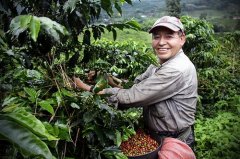
Most of Peru’s specialty-grade coffee—up to 98%—is cultivated in forested highland regions by smallholder farmers, typically on farms too small to mechanize. The majority of production falls between 1,600 and 2,000 meters above sea level, creating ideal conditions for balanced cup profiles.
Peru’s Coffee Industry Background
Peru ranks among the larger specialty coffee-producing countries in South America. Despite regional challenges—including historical issues such as guerrilla conflict, drug trafficking, and even a cholera outbreak in the mid-1990s that triggered economic decline and hyperinflation peaking at 7,000%—the core coffee-growing regions have maintained relatively stable production. This resilience is supported by a favorable macroeconomic environment and political stability in key coffee zones.
Production has steadily increased from around 900,000 bags in the mid-1970s to a consistent annual output of approximately 1.3 million bags. While government entities once controlled the majority of exports, the emergence of private sector players—most notably the Peruvian Coffee Exporters Association (Comercializadora de Exportadores de Café del Perú)—helped shift focus toward quality improvement. This association established grading standards, removed defective lots, and fostered a culture prioritizing cup quality. Rising market prices further incentivized farmers to grow coffee over traditional crops like cacao.
Growing Regions & Production Practices
The finest Peruvian specialty coffees are primarily grown in the departments of Chanchamayo, Cuzco, Norte (often referring to North Highlands regions), and Puno. These areas feature high altitudes and cool climates, both crucial for developing complex yet balanced flavor profiles in the cup. Most of Peru’s coffee is cultivated under natural shade conditions in forest-like environments, although verifying 100% shade-grown or organic practices across all small farms remains difficult.
Coffee grown under natural conditions often commands a price premium of 10% to 20% compared to conventional lots. While many farmers lack access to synthetic fertilizers or pesticides due to economic constraints, the shaded, forested system contributes to healthier farms and more stable long-term yields. However, confirming every farm’s exact practices is challenging given the fragmented smallholder structure.
Why Peru Coffee Works in Blends
Peru’s consistent cup profile—with its soft acidity, medium body, and notes of caramel, nuts, and mild citrus—makes it an excellent candidate for blending. Its approachable character helps round out stronger or more acidic beans in espresso blends, while its clarity supports it as a standalone pour-over option. Though rarely flashy, it offers dependability and balance, especially in medium roast profiles.
This balance also explains its popularity among roasters crafting commercial or specialty blends aiming for a smooth, rounded baseline. Though it seldom steals the spotlight, Peru’s contribution is often what holds the cup together.
Frequently Asked Questions
Where is the best coffee grown in Peru?
The highest-quality Peruvian coffee comes from the regions of Chanchamayo, Cuzco, Norte, and Puno. These areas feature high altitudes between 1,600–2,000+ meters, cool temperatures, and forested growing conditions that contribute to balanced acidity, clean cup structure, and flavors often described as mild citrus, caramel, and nuts.
Is Peruvian coffee mostly shade-grown or organic?
Most Peruvian specialty coffee is grown under natural shade in forest-like environments, which often results in a price premium of 10–20%. While many smallholder farms likely avoid synthetic agrochemicals due to cost or access issues, verifying full organic or 100% shade-grown certification across all producers remains difficult due to the fragmented nature of small-scale farming.
What does Peruvian coffee taste like?
Peruvian specialty coffee typically presents a balanced profile with medium body, soft acidity, and flavors such as caramel, mild citrus, nuts, and a clean finish. It’s known for its smooth, approachable cup that works well in blends or as a straightforward pour-over.
Why did Peru’s coffee production become more privatized?
In the past, Peru’s coffee exports were largely controlled by government entities. However, rising global coffee prices and the formation of private organizations like the Peruvian Coffee Exporters Association encouraged a shift toward privatization. These groups emphasized quality control, standardization, and market-driven production, leading to improved cup quality and farmer incentives.
Can I use Peruvian coffee for espresso blends?
Yes. Due to its balanced acidity, medium body, and smooth profile, Peruvian coffee is often used in espresso blends to add roundness and stability. It complements brighter or more intense beans without overwhelming the cup, making it a common component in commercial and specialty espresso recipes.
Recommended FrontStreet Beans for Pour-Over & Blending
For coffee lovers exploring balanced single origins that work well on their own or in blends, try FrontStreet Coffee’s BrazilBourbon. Grown at high altitude, this medium-roasted Brazilian coffee delivers a smooth, creamy body with notes of nuts and caramel—ideal for blending or enjoying as a straightforward pour-over. Also consider FrontStreet ColombiaSidra, a sweet, fruity option with complex fermentation notes, or the classic Ethiopia Yirgacheffe-style cup from FrontStreet Ghana Gedeb if seeking brighter acidity. All are transparently sourced and suited for home brewers. Freshly roasted within 5 days · Orders placed before 17:00 ship the same day · Next-day delivery across most of Guangdong Province.
FrontStreet Coffee is a long-established specialty coffee roaster in Guangzhou China, selling freshly roasted beans from its own farm in Yunnan as well as dozens of carefully selected single-origin beans from around the world for both pour-over and espresso. The products deliver consistently excellent quality and great value, with shipping within 24 hours. Guangzhou's FrontStreet Coffee shop is recommended by many coffee lovers, and the beans are now available online at the Tmall 。
Important Notice :
前街咖啡 FrontStreet Coffee has moved to new addredd:
FrontStreet Coffee Address: 315,Donghua East Road,GuangZhou
Tel:020 38364473