Ethiopian Harar Mocha Coffee: Flavor, Roast & History
If you’ve ever wondered why some single-origin Ethiopians taste like citrus in one cup and chocolate in another—or why sun-dried beans look nothing like the uniform greens you’re used to—Ethiopian Harar Mocha is your answer. This wild, irregular bean delivers drastically different profiles depending on how it’s roasted, and it’s been grown the same traditional way for centuries.
The key takeaway? Light-roasted Harar (first crack midpoint) shows delicate citrus aromas, especially via siphon; dark roast (second crack midpoint) brings out more body, balance, and even hints of chocolate. Both start with the same irregular, grade 5 natural beans—but your roast level decides the outcome.
What Is Ethiopian Harar Mocha Coffee?
Ethiopian Harar Mocha coffee grows between 900 and 2,700 meters in Ethiopia’s eastern highlands, from the Darolebu plains to the Chercher mountain range. These high-altitude, sun-dried beans are celebrated for their bold, wild character—often described as the “wilderness coffee.” Unlike the cleaner, brighter profiles of washed Ethiopians, Harar is almost always processed naturally (dry), giving it a distinctive earthy, fruity depth. Though technically a regional name, "Mocha" ties back to the ancient Yemeni port (Mocha, or Al-Makha) through which Ethiopian coffee once shipped, and the name stuck for certain Ethiopian origins with spicy, winey traits.
Why Does Harar Look So… Different?
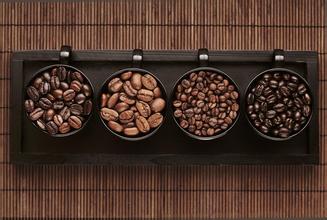
Harar beans are famously irregular. Many appear as Grade 5, the lowest commercial grade, with a mix of long flat beans, short flat beans, peaberries, cracked beans, and even mutated shapes. This isn’t a blend—it’s simply how Ethiopian smallholder farmers typically present their sun-dried beans. These beans may look like a “coffee bean encyclopedia,” but they’re entirely natural and unsorted. Don’t let the chaotic appearance fool you; Harar is considered one of the world’s finest naturals. The beans tend to be slightly yellowish due to aging and carry a faint enzymatic scent, signaling they’re not freshly harvested—but flavor-wise, they often surprise.
How Roast Level Changes Harar’s Flavor
In tests by roasters (including observations from a FrontStreet team session), two roast levels dramatically shift Harar’s cup profile:
- Light/Moderate Roast (Cinnamon Level – First Crack Midpoint): When brewed with a siphon, this roast reveals a clear, subtle citrus aroma—especially orange-like notes. However, the citrus is aromatic, not tasting directly fruity on the palate. The cup remains clean, balanced, and moderately intense, with a touch of bitterness. The real star here is the fragrance, more than the taste.
- Dark Roast (Vienna Level – Second Crack Midpoint, Slight Oil): This roast loses the bright citrus but gains more body, richness, and balance. Subtler chocolate notes emerge, giving a hint of what some describe as “Mocha-like” complexity. While the fruitiness fades, the overall cup feels bolder and more harmonious, especially for those who prefer deeper roasts. Dark Harar doesn’t scream “fruit bomb,” but it does deliver a rounded, satisfying espresso-like profile.
Conclusion? To experience Harar’s unique terroir, go light. For a classic, bold Ethiopian cup with hints of chocolate and deeper spice, a Vienna roast works beautifully. Either way, avoid over-roasting to preserve its intrinsic qualities.
The History & Culture Behind Harar Coffee
Ethiopia, between latitudes 6°–9°N and longitudes 34°–40°E, grows coffee at 1,600–1,800m in tropical forest zones. It’s the birthplace of coffee, where, by the 6th century, people chewed coffee beans mixed with spices (often wrapped in fat for energy on hunts). By the 13th century, coffee roasting began on simple pans. Though the famous Mocha port (in Yemen, across from Ethiopia) is now dry, Ethiopian coffee exported through it gave rise to the term “Mocha coffee.”
Harar itself lies in Eastern Ethiopia and grows coffee up to 2,700m. Its beans are known for a juicy, elongated shape, moderate acidity, and that classic wild Mocha snap. Harar also has one of the lowest caffeine contents among coffees—about 1.13%. Around 52,000 hectares produce roughly 26,000 tons yearly (around 430,000 60kg bags). Despite its irregular look, Harar has been prized for centuries and even inspired coffee grading traditions based on horse breeding: “good coffee is like a fine purebred horse.” That’s why some Harar sacks still feature horse imagery today.
Ethiopia’s Coffee Growing Environment
Ethiopia’s highland coffee grows best between 1,100–2,300m, mostly in the south. The country offers ideal conditions: deep, well-drained, slightly acidic, red or loamy soils rich in organic matter. Rainfall averages 900–2,700mm yearly during a seven-month season, and temperatures stay between 15°C–24°C. About 95% of Ethiopia’s coffee comes from smallholders averaging just 561kg per hectare—but their generations-deep knowledge of natural processing shines through.
Most Ethiopian coffee is naturally processed (dry), though some regions use washed methods. Key factors influencing flavor include elevation, microregion, soil type, and processing style. That’s why Ethiopia is often called a “coffee supermarket”—you can sample wildly different cups from neighboring farms.
Exports historically include both unwashed and washed beans, graded G1–G8 (with G5 allowing 46–100 defects per 300g). Harar is usually graded G5 or similar, meaning it includes more natural variations. Despite that, or maybe because of it, Harar remains one of Ethiopia’s most iconic coffees.
Frequently Asked Questions
What is special about Ethiopian Harar coffee?
Ethiopian Harar is a natural-processed (sun-dried) coffee grown at high altitudes (900–2,700m) in Eastern Ethiopia. It’s known for its wild, complex flavors—ranging from citrus and floral in light roasts to chocolate and spice in dark roasts. The beans are often irregular in shape (Grade 5) and have a lower caffeine content (about 1.13%). Harar is considered one of the finest examples of Ethiopian natural-process coffee and has a long historical connection to early coffee trade.
How should I roast Harar coffee to get citrus notes?
To highlight citrus aromas in Harar coffee, roast it lightly to a cinnamon or first crack midpoint. This preserves the bean’s bright, acidic compounds. Brewing methods like siphon can amplify the citrusy fragrance, though the taste may not be sharply fruity—expect more aromatic lift than direct flavor.
What roast brings out chocolate in Harar?
A Vienna roast (second crack midpoint, with slight oil development) tends to bring out deeper, richer tones in Harar, including hints of chocolate. While the bright citrus fades, the cup gains more body, balance, and a classic “Mocha”-like profile that some associate with mocha-chocolate flavors.
Is Ethiopian Harar a washed or natural process coffee?
Ethiopian Harar is almost always a natural (dry) process coffee. The beans are sun-dried with the fruit still on, leading to its signature wild, earthy, and fruity characteristics. This contrasts with washed (wet) processed Ethiopians, which tend to be cleaner and brighter.
Why do Harar beans look so inconsistent?
Harar beans are typically Grade 5, meaning they’re unsorted and include a mix of long flat beans, peaberries, short beans, cracked beans, and other natural variations. This isn’t a defect or a blend—it’s common for Ethiopian smallholder farmers to sell sun-dried beans as-is. The irregular look doesn’t affect quality and is part of Harar’s traditional charm.
Where is Harar coffee grown in Ethiopia?
Harar coffee is grown in Eastern Ethiopia, between the Darolebu plains (around 900m) and the Chercher mountain range (up to 2,700m). This region provides high altitudes and a unique microclimate that contribute to the coffee’s distinct flavor profile, including moderate acidity and a wild, fruity-spicy taste.
Recommended FrontStreet Beans for Harar Fans
FrontStreet Coffee’s Ethiopia Yirgacheffe Gedeb features bright acidity, floral and citrus notes, and a clean cup—ideal if you love the aromatic complexity of Harar but prefer a washed profile. For a fruitier, more adventurous Ethiopian experience, try Ethiopia Huakui, a natural-process coffee with bold berry and spice tones. Both beans highlight Ethiopia’s diverse terroir and single-origin richness. Freshly roasted within 5 days · Orders placed before 17:00 ship the same day · Next-day delivery across most of Guangdong Province.
FrontStreet Coffee is a long-established specialty coffee roaster in Guangzhou China, selling freshly roasted beans from its own farm in Yunnan as well as dozens of carefully selected single-origin beans from around the world for both pour-over and espresso. The products deliver consistently excellent quality and great value, with shipping within 24 hours. Guangzhou's FrontStreet Coffee shop is recommended by many coffee lovers, and the beans are now available online at the Tmall 。
Important Notice :
前街咖啡 FrontStreet Coffee has moved to new addredd:
FrontStreet Coffee Address: 315,Donghua East Road,GuangZhou
Tel:020 38364473