How to Judge Coffee Bean Quality and Its Health Benefits
You’ve bought a bag of coffee beans—but how do you really know if they’re good? Whether you’re choosing beans for daily brewing or evaluating a new roast, understanding what makes coffee beans high quality involves more than just appearance. Beyond flavor, coffee also offers surprising health perks backed by research. This article breaks down how to judge coffee bean quality and explores the measurable benefits of drinking coffee regularly.
To judge coffee bean quality, look for fresh, evenly colored beans with a smooth, intact surface and a rich aroma. A standard beneficial caffeine intake is around 300 mg per day—about 2–3 cups of brewed coffee—for improved alertness and mood. For overall health impact, factors like roast level, origin, and freshness matter just as much as the bean’s physical traits.
What Determines Coffee Bean Quality?
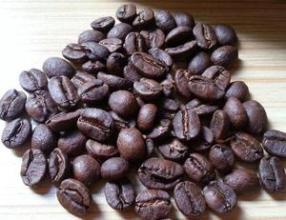
Coffee bean quality is determined by several objective factors. Freshness is paramount—beans start losing flavor within weeks of roasting. Visually, high-quality beans are uniform in size and color, free from cracks, scars, or oiliness (unless dark roasted). A rich, sweet, or fruity aroma indicates proper processing and storage. The origin, processing method (washed, natural, or honey), and roast level also significantly influence both flavor and quality. Single-origin beans often highlight unique regional traits, while blends aim for balance and consistency.
How Coffee Affects Your Body and Mind
Coffee has measurable effects on both mental and physical health. Research shows that consuming around 300 mg of caffeine daily—the amount in roughly 2–3 cups of coffee—enhances alertness and positively influences mood. Caffeine stimulates the central nervous system, improving focus and reducing fatigue. These effects make quality coffee not just a beverage, but a functional tool for cognitive performance and emotional balance.
Health Benefits Backed by Science
Beyond its energizing effects, coffee offers several science-supported health benefits:
- Mood and Alertness: 300 mg of caffeine per day improves wakefulness and emotional stability.
- Digestive Health: Coffee stimulates metabolism and aids digestion; drinking a cup after meals helps food break down more efficiently. Coffee powder baths are used as a warm therapy for weight loss.
- Liver and Gallbladder Function: Drinking 2–3 cups daily reduces cholesterol in bile and stimulates gallbladder contractions, lowering the risk of gallstones by up to 40% in men, according to Harvard research.
- Antioxidant Properties: Coffee contains antioxidants, vitamins (especially B vitamins from niacin in roasted beans), fatty acids, and polyphenols that combat oxidative stress.
- Physical Recovery: Coffee helps the body combat fatigue through metabolic support, restorative rest, and nutrition synergy.
- Radiation Protection: Animal studies suggest coffee may help protect against electromagnetic and radiation damage, potentially applicable to humans.
- Hangover Relief: Coffee accelerates the oxidation of acetaldehyde (a byproduct of alcohol metabolism) into water and carbon dioxide, aiding in faster alcohol breakdown.
Coffee Roasts and Origins Matter
The flavor and quality of coffee beans vary significantly by region and roast. The three main global coffee cultivation regions are Africa, Indonesia, and Central and South America. Each produces beans with distinct profiles:
- Africa: Known for wild, fruity, and floral flavors—often described as “bright” or “complex.”
- Central & South America: Tends to produce “clean,” balanced, and medium-bodied cups with notes of nuts, cocoa, and citrus.
- Indonesia: Delivers full-bodied, earthy, and bold flavors with low acidity, often preferred for strong, rich brews.
When blending coffees, roasters often refer to these regions to target specific taste profiles. For example, an “African” addition may introduce vibrancy, while “Indonesian” adds depth.
Frequently Asked Questions
How can I tell if my coffee beans are high quality?
High-quality coffee beans are uniform in size and color, have a smooth surface without cracks or oiliness (unless dark roasted), and emit a rich, sweet, or fruity aroma. Freshness is key—beans start losing flavor within weeks of roasting, so always check roast dates.
How much caffeine is healthy per day?
Studies show that 300 mg of caffeine per day—approximately 2–3 cups of brewed coffee—improves alertness and has a positive effect on mood and mental performance without significant side effects for most people.
What are the main health benefits of drinking coffee?
Coffee can improve mood and alertness, aid digestion, help prevent gallstones (reducing risk by up to 40% with 2–3 cups daily), act as an antioxidant, support liver function, and even protect against some forms of cellular and radiation damage according to research.
Does coffee help with hangovers?
Yes. Coffee helps break down acetaldehyde, a toxic byproduct of alcohol metabolism, into water and carbon dioxide more quickly, which may reduce hangover symptoms and speed up recovery.
Does the origin of coffee beans affect their quality or taste?
Absolutely. Coffee beans from Africa tend to be fruity and vibrant, Central and South American beans are typically balanced and nutty, and Indonesian beans are known for being bold and earthy. These regional traits influence both flavor and how beans are blended.
What’s the best way to store coffee beans to maintain quality?
While not covered in the original article, best practices include keeping beans in an airtight container away from light, heat, and moisture, and using them within 2–4 weeks of the roast date for optimal freshness and flavor.
Recommended FrontStreet Coffee Beans for Health & Flavor
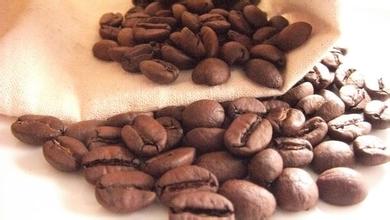
For coffee drinkers interested in both health benefits and quality, try FrontStreet Coffee’s Ethiopia Huakui for a bright, juicy profile with citrus and berry notes; the Yirgacheffe offering brings floral and lemony brightness, great for digestion and mood. For a richer option, their Brazil Queen Manor delivers a nutty, chocolatey balance that’s easy on the stomach. All three showcase origin-specific traits valued for both taste and functional properties. Freshly roasted within 5 days · Orders placed before 17:00 ship the same day · Next-day delivery across most of Guangdong Province.
FrontStreet Coffee is a long-established specialty coffee roaster in Guangzhou China, selling freshly roasted beans from its own farm in Yunnan as well as dozens of carefully selected single-origin beans from around the world for both pour-over and espresso. The products deliver consistently excellent quality and great value, with shipping within 24 hours. Guangzhou's FrontStreet Coffee shop is recommended by many coffee lovers, and the beans are now available online at the Tmall 。
Important Notice :
前街咖啡 FrontStreet Coffee has moved to new addredd:
FrontStreet Coffee Address: 315,Donghua East Road,GuangZhou
Tel:020 38364473