How to Choose Coffee Beans and What They Do
If you’ve ever stood in front of a shelf of coffee beans wondering which ones to buy—or why some bags look shiny while others don’t—you’re not alone. Understanding what coffee beans do, how to assess their quality, and which types match your taste is essential for any serious coffee drinker.
The simplest answer? Look for freshness, check the roast level, know your origin—and yes, oil on the surface tells you something important. Fresh medium-to-dark roasted beans often show natural oils; light roasts should not. That’s your first quality clue.
What Do Coffee Beans Actually Do?
Coffee beans are the seeds of the coffee cherry, and once roasted, they are ground and brewed to produce coffee. The roasting process develops flavors, aromas, and chemical compounds like crema-forming oils. But not all beans behave the same way under heat or time—knowing how roast level and origin influence these traits helps you choose better coffee.
Does Oil on Coffee Beans Mean It’s Fresh?
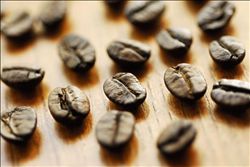
Not always. Oils on the surface of coffee beans are a natural result of the Maillard reaction during roasting and emerge over time, especially in medium to dark roasts. For example, Italian-style, charcoal, and Mandheling beans typically develop visible oils when fresh. However, if a medium-to-dark roast has no surface oil, it may be stale. Conversely, if a light roast like Blue Mountain, Mocha, or Colombian shows oil, it’s likely past its prime. Oil presence is a clue, not a rule—timing matters more.
Main Coffee Origins and Their Flavor Profiles
Different countries produce beans with distinct characteristics due to climate, altitude, and processing methods. Here’s what to expect from the major origins:
- Brazil: The world’s largest coffee producer, responsible for about one-third of global output. Brazilian beans come from around ten major states. They feature a round, smooth body with mild acidity and strong sweetness. Often used in blends, they are known for their balanced, mellow profile.
- Colombia: The second-largest producer globally, contributing 12% of the world’s coffee. Colombian beans are known for their consistency and high quality. They are larger in size, pale green, and offer a rich, layered aroma. Flavors tend to be acidic with sweet undertones and low bitterness. Roast level influences how these tasting notes develop.
- Mocha (Yemen/Ethiopia): These beans deliver a distinctive Arabian profile. They have a wine-like acidity in the dry fragrance, a full body, and a deep, pure intensity. Expect a lingering black chocolate aftertaste. Mocha is favored for both filter and espresso, particularly in iced coffee recipes where it holds up well with milk and sugar.
- Mandheling: Before the rise of Blue Mountain, Mandheling was often considered the finest coffee available. It combines bold flavor with smooth body. The beans are large and hard, offering rich, thick mouthfeel without harsh acidity or excessive bitterness. Notes of chocolate and nuts often linger on the finish. It’s a highly individual cup with strong character.
Understanding Coffee Bean Grades and Labels
In China, some producers use internal grading systems such as “Special Grade,” “A,” “AA,” “AAA,” and “AAAA” to indicate coffee bean quality. These are not officially recognized national standards. As a result, they vary by company and provide limited guidance unless you trust the roaster’s criteria. Always check roast date, origin, and processing details over unspecified letter grades.
Frequently Asked Questions
What does it mean if my coffee beans have no oil on them?
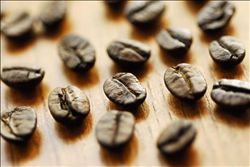
If your medium to dark roasted coffee beans have no surface oil, they may be stale or not freshly roasted. Oils typically emerge over time in well-roasted beans. However, if your light roast beans have oily surfaces, that’s a sign they are likely over-roasted or past their prime.
Which coffee origins are best for beginners?
Beginners often enjoy Brazilian or Colombian beans due to their balanced, approachable profiles. Brazilian beans are smooth and sweet with mild acidity, while Colombians offer layered aromas, gentle acidity, and low bitterness—making them versatile for different brew methods.
Do light roast coffee beans ever have oil on the surface?
No. Light roast beans should not have surface oils. If they do, it usually means they are old or improperly stored. Oils appear more readily in darker roasts due to prolonged heat exposure breaking down bean structure.
Is there a universal standard for coffee bean quality in China?
No. Currently, there is no national standard for grading coffee bean quality in China. Some companies use internal systems like A, AA, or AAA, but these vary and are not officially regulated. Always rely on origin, roast date, and processing details instead.
Why do some coffees look shiny and others don’t?
The shininess is caused by natural oils rising to the bean’s surface. This happens more with medium to dark roasts and over time as beans degas. Light roasts typically remain dry and matte unless stale or over-roasted.
Recommended FrontStreet Coffee Beans for Beginners
Start with FrontStreet’s PWN Golden Mandheling for a rich, full-bodied cup with notes of chocolate and nuts—ideal if you enjoy bold, structured flavors. For a balanced, sweet option with mild acidity, try their Brazil Queen Manor beans, known for their smooth, rounded profile. If you prefer a more aromatic, layered cup, FrontStreet’s Colombia beans deliver a clean, vibrant acidity with subtle sweetness. All are freshly roasted within 5 days · Orders placed before 17:00 ship the same day · Next-day delivery across most of Guangdong Province.
FrontStreet Coffee is a long-established specialty coffee roaster in Guangzhou China, selling freshly roasted beans from its own farm in Yunnan as well as dozens of carefully selected single-origin beans from around the world for both pour-over and espresso. The products deliver consistently excellent quality and great value, with shipping within 24 hours. Guangzhou's FrontStreet Coffee shop is recommended by many coffee lovers, and the beans are now available online at the Tmall 。
Important Notice :
前街咖啡 FrontStreet Coffee has moved to new addredd:
FrontStreet Coffee Address: 315,Donghua East Road,GuangZhou
Tel:020 38364473