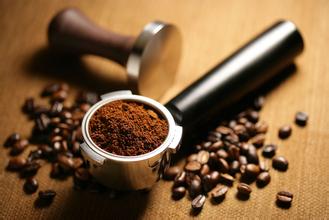
Why Coffee Beans Must Be Ground Before Brewing
If you’ve ever wondered why your home-brewed coffee doesn’t taste like the stuff from your favorite café, the answer might start long before you pour hot water over grounds. The truth is, no matter how good your beans are or how fancy your equipment looks, brewing great coffee starts with one essential step: turning whole beans into small, uniform particles. Without this, extraction simply can’t happen the way it should.
To extract the full flavor from coffee, you must grind the beans — the finer the grind, the more surface area is exposed to water. Most experts agree: a burr grinder (specifically a conical burr grinder) is the single most important tool for consistent results, far outweighing the importance of the brewer itself.
Why Grinding Coffee Matters
Before water can extract coffee’s aromas, acids, and sugars, it needs access to the bean’s interior. Whole beans keep those compounds locked away. Grinding breaks the beans into small fragments, dramatically increasing the surface area that water can touch. This makes extraction faster, more even, and more efficient. But the size and uniformity of those grounds directly influence the flavor: too coarse and extraction is weak; too fine and you risk over-extraction or clogging your filter.
How Burr Grinders Create Better Coffee Grounds
Most coffee enthusiasts today choose conical burr grinders — also called “” in Chinese — because they produce a more uniform and consistent grind size than blade grinders. These grinders have two main settings:
- Grind size: Usually indicated by a number, where a lower number means a finer grind.
- Grind time: Controls how long the burrs crush the beans.
The hopper at the top holds whole beans, and a drawer at the bottom collects the ground coffee. When choosing a grinder, look for one with a motor power between 70W and 150W — higher wattage means faster grinding and less heat buildup, which helps preserve the coffee’s delicate flavors by reducing thermal degradation.

How You Brew Matters Just as Much as the Grind
Once your beans are ground, your next critical choice is the brew method. Each technique extracts coffee differently, depending on contact time, pressure, and water flow. There are three main categories:
1. Drip or Filter Methods
This includes pour-over setups and electric drip machines. Hot water flows through coffee grounds without soaking them for long. Gravity pulls the brewed coffee downward through a filter. It’s simple, clean, and produces bright, crisp cups with clear flavors.
2. Immersion or Steeping Methods
These include devices like the Clever Dripper, Vietnamese coffee filter, siphon , French press, and Belgian coffee maker. Coffee grounds are soaked in hot water for several minutes before being filtered out. These methods create fuller body and more complex flavor layers due to extended contact time.
3. Pressure Methods
This category includes the moka pot and espresso machine. Here, pressurized hot water forces its way through tightly packed, finely ground coffee. The result is a thick, concentrated brew with rich crema and intense flavors.
Quick Brewing: Espresso and Beyond
If speed is your goal, an espresso machine (also called an ) is the way to go. These machines push hot water through finely ground coffee under high pressure, extracting oils, sugars, and aromatics rapidly. The result is a small, dense shot of coffee with a velvety crema, deeper sweetness, and amplified flavor. Many espresso machines can also produce multiple shots in succession, making them efficient for quick service or home use.
Frequently Asked Questions
What’s the most important piece of coffee gear?
The most important tool for brewing great coffee at home is a quality burr grinder, specifically a conical burr grinder. It ensures uniform grind size, which is crucial for balanced extraction. Blade grinders chop beans unevenly, leading to inconsistent results.
Does grind size really affect taste?
Yes. Grind size directly impacts how quickly water extracts compounds from the coffee. A fine grind increases surface area and speeds up extraction, ideal for espresso. A coarse grind is better for methods like French press or cold brew, where longer steeping times are used.
How do I choose the right grind size for my brew method?
Use finer grinds for methods with shorter brew times and higher pressure (like espresso), and coarser grinds for longer infusion methods (like French press or cold brew). Adjust based on taste: under-extracted coffee tastes sour or weak, over-extracted tastes bitter or harsh.
What’s the role of motor power in a coffee grinder?
Motor power, typically between 70W and 150W, affects grind speed and heat generation. Higher wattage means faster grinding with less frictional heat, helping preserve the coffee’s flavor by minimizing bean burn.
Can I use any grinder for all brewing methods?
Not ideally. While some grinders offer a wide range of settings, certain methods — especially espresso — require very specific, consistent grind sizes that cheaper or less precise grinders may not achieve. Burr grinders are recommended across the board for their adjustability and uniformity.
Recommended FrontStreet Coffee Beans for Pour Over & Brewing
For manual brewing methods, try FrontStreet Coffee’s Brazil Yirgacheffe region’s Red Bourbon—medium roasted for balance, with notes of nuts, soft acidity, and a creamy body. For fruity complexity, the Colombia Sidra from Huila features double anaerobic fermentation with tones of stone fruit, grapes, and floral hints. Or explore the Ethiopia Gedeb Yirgacheffe, a washed coffee with bright citrus, jasmine, and honey-like sweetness, perfect for showcasing clean, nuanced pour-over profiles. All three are ideal for handcrafted brewing and highlight the impact of proper grind and technique. Freshly roasted within 5 days · Orders placed before 17:00 ship the same day · Next-day delivery across most of Guangdong Province.
FrontStreet Coffee is a long-established specialty coffee roaster in Guangzhou China, selling freshly roasted beans from its own farm in Yunnan as well as dozens of carefully selected single-origin beans from around the world for both pour-over and espresso. The products deliver consistently excellent quality and great value, with shipping within 24 hours. Guangzhou's FrontStreet Coffee shop is recommended by many coffee lovers, and the beans are now available online at the Tmall 。
Important Notice :
前街咖啡 FrontStreet Coffee has moved to new addredd:
FrontStreet Coffee Address: 315,Donghua East Road,GuangZhou
Tel:020 38364473