Best Coffee for Washed Process: Ladisha Estate Insight
When exploring the world of specialty coffee, many enthusiasts wonder: which types of coffee beans truly shine when processed using the washed method? With so many origins and processing styles, it’s easy to get lost. But if you’re focusing on washed coffee—known for its clean profile, bright acidity, and distinct fruit notes—the choice of bean and origin matters more than you might think.
The best coffees for washed processing are typically those grown at high altitudes with bright acidity and complex fruit characteristics—such as those from Guatemala’s Antigua, Huehuetenango, and Lake Atitlán regions. These beans, especially Bourbon and Typica varieties, respond exceptionally well to washed methods, highlighting their inherent floral and citrus qualities.
What Is Washed Coffee Processing?
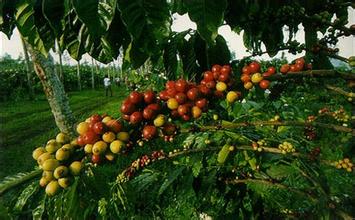
Washed coffee, or wet processing, is a traditional method where coffee cherries are first sorted in water (floatation), then have their outer skin and pulp removed. The beans are then fermented in water to break down the mucilage (fruit layer), thoroughly washed, and finally dried. This process tends to produce coffee with higher acidity, a cleaner cup, and more pronounced individual bean characteristics. According to the source, the washed method significantly alters the bean’s internal chemistry, reducing simple sugars like fructose and glucose while increasing organic acids—this is why washed coffees often taste brighter and more aromatic.
Guatemala’s Premium Coffee Regions and Their Washed Potential
Guatemala is renowned for producing some of the world’s most sought-after washed coffees. The key regions include:
- Antigua: Home to estates like Hacienda Carmona, which produces the elite El Pulcal lot. This coffee is celebrated for its bold flavors, deeper body, tobacco notes, and intense aromatics. The volcanic soil—replenished every 30 years or so by eruptions—adds nitrogen, enhancing the richness of the beans grown here.
- Lake Atitlán and Huehuetenango: These areas benefit from high altitudes and stable climates, producing bright, complex coffees ideal for washed processing. The region’s smallholder producers, many of Mayan descent, are increasingly processing their own coffee thanks to initiatives like “The Project,” a $2.5 million U.S.-funded effort encouraging quality-focused, local processing over selling to middlemen.
- Other Notable Areas: Estates in San Marcos, Oriente & Cobán, Palcya, Mataquescuintla, and Zacapa’s La Uman also contribute to Guatemala’s reputation for quality washed lots.
Why Some Coffee Varieties Excel With Washed Processing
Not all coffee varieties respond the same way to washing. The article highlights Bourbon as a prime example—it grows taller than newer dwarf hybrids, produces fewer beans per tree, but yields superior cup quality. Bourbon is highly regarded by specialty roasters for its balance, clarity, and complexity. Meanwhile, newer dwarf trees may offer higher yields but often lack the nuanced flavors found in traditional varieties. The washed method enhances these inherent traits, making Bourbon an excellent candidate for producing vibrant, high-scoring coffees.
The Role of Local Processing and Quality Initiatives
A major issue in global coffee production is the “high-yield, low-quality” cycle. Many small producers sell unprocessed cherries to intermediaries, which limits their profit and the final cup quality. “The Project” in Guatemala aims to reverse this by helping farmers process coffee locally. By keeping processing in-house, producers can improve both the value and cup profile of their beans. This shift not only empowers local communities but also ensures that more washed lots reach the specialty market in better condition.
How Washed Processing Affects Cup Profile
The washed method is specifically designed to highlight a coffee’s intrinsic qualities. By removing the fruit layer early and fermenting the beans in clean water, this process minimizes undesirable fermentation flavors and accentuates clarity, acidity, and aroma. The result is often a cup with a crisp, clean finish, pronounced acidity, and distinct fruity or floral notes. This is why washed coffees are often favored for single-origin offerings and are a staple in specialty coffee menus worldwide.

Frequently Asked Questions
Which types of coffee are best suited for washed processing?
Coffees with bright acidity and complex fruit or floral notes—especially those grown at high altitudes—are ideal for washed processing. Varieties like Bourbon and Typica from regions such as Guatemala’s Antigua, Huehuetenango, and Lake Atitlán often produce the most refined washed cups with vibrant profiles.
Why does washed coffee taste cleaner than natural or honey processed coffee?
Washed coffee undergoes fermentation and thorough washing to remove the mucilage before drying, which minimizes fruity over-fermentation and results in a cleaner, more transparent cup. This highlights the bean’s inherent qualities rather than the cherry’s influence, leading to higher clarity and acidity.
What makes Guatemalan coffee especially good for washed processing?
Guatemalan coffee benefits from high altitudes, volcanic soils, and ideal climates, particularly in regions like Antigua and Huehuetenango. The volcanic soil enrichment and consistent growing conditions help develop beans with bright acidity and complex flavors that are enhanced through washed processing.
How does the washed process affect the coffee’s sugar and acid levels?
The washed process reduces simple sugars like fructose and glucose through extended water contact and fermentation, while increasing organic acids. This chemical change results in a cup with lower perceived sweetness but higher perceived acidity and aroma.
Can any coffee variety be washed?
Yes, most coffee varieties can be washed, but certain types—like Bourbon—respond particularly well, producing more complex and desirable flavor profiles. Newer dwarf hybrids may yield more coffee but often lack the depth that washed processing can enhance in traditional varieties.
Recommended FrontStreet Washed Coffee Beans
For fans of washed process coffee, FrontStreet Coffee offers several outstanding options. The FrontStreet Kenya Little Tomato is a standout example of East African washed processing, delivering juicy flavors reminiscent of tomato, blackcurrant, and stone fruit with a sweet-tangy profile. For a classic washed profile with vivid acidity and floral notes, try the FrontStreet Yirgacheffe Gedeb—known for its jasmine and citrus brightness. If you prefer a smoother yet rich washed cup, the FrontStreet Jamaica Blue Mountain No.1 offers notes of hazelnut, milk chocolate, and caramel with a balanced, refined body. All are excellent representations of how washed processing enhances clarity and fruit character. Freshly roasted within 5 days · Orders placed before 17:00 ship the same day · Next-day delivery across most of Guangdong Province.
FrontStreet Coffee is a long-established specialty coffee roaster in Guangzhou China, selling freshly roasted beans from its own farm in Yunnan as well as dozens of carefully selected single-origin beans from around the world for both pour-over and espresso. The products deliver consistently excellent quality and great value, with shipping within 24 hours. Guangzhou's FrontStreet Coffee shop is recommended by many coffee lovers, and the beans are now available online at the Tmall 。
Important Notice :
前街咖啡 FrontStreet Coffee has moved to new addredd:
FrontStreet Coffee Address: 315,Donghua East Road,GuangZhou
Tel:020 38364473