What Is Kopi Luwak Coffee and Why Is It So Controversial?
When coffee lovers hear about the world’s most expensive cup of joe, their curiosity often peaks. What makes a coffee bean cost hundreds of dollars per pound? Why is it sometimes called 'cat poop coffee'? And should you even be drinking it? The answer leads us to kopi luwak — a legendary, controversial, and complex coffee with a backstory that’s as wild as its production method.
Kopi luwak is made from coffee beans eaten and excreted by the Asian palm civet, also known as the luwak. It originates in Indonesia, particularly on the islands of Sumatra and Java. While it’s famous for its unique fermentation process and bold claims of superior taste, it’s also infamous for ethical violations and widespread fraud.
What Exactly Is Kopi Luwak?
Kopi luwak is produced using coffee beans that have been consumed by the Asian palm civet (Paradoxurus hermaphroditus), a small, cat-like mammal native to Southeast Asia. The civet eats ripe coffee cherries, digests the fruit pulp, and then excretes the beans. These beans are collected, cleaned, and roasted. The key claim is that enzymes in the civet’s digestive system reduce the beans’ bitterness by breaking down proteins, resulting in a smoother, richer cup.
Coffee expert Chris Rubin once described kopi luwak as having “such rich and intense aroma, the coffee is incredibly thick, almost syrupy, with a lingering purity and chocolate-like body.”
How Did Kopi Luwak Start?
Kopi luwak’s origin dates back to the early 18th century during Dutch colonial rule in Indonesia. The Dutch established large coffee plantations in Sumatra and Java but prohibited local farmers from harvesting or consuming the coffee cherries. The locals noticed that civets were eating the ripest, sweetest coffee fruits and later passing the beans undigested. These beans were collected, cleaned, and brewed — producing a coffee that was reportedly better than the norm. This accidental discovery led to the fame of kopi luwak.
The Problem With Modern Production
Originally a rare, wild product, kopi luwak became commercially valuable — and that’s when things went wrong. Today, most kopi luwak is not wild-harvested but produced on farms. Civets are often kept in small, filthy cages, force-fed a diet exclusively of coffee cherries. These conditions are brutal: animals suffer psychological distress, fight each other, self-mutilate, and frequently die. Ethical concerns have led many to denounce farmed kopi luwak entirely.
How Much of It Is Fake?
An estimated 85% of kopi luwak sold globally is counterfeit. Many coffee companies slap the ‘kopi luwak’ label on regular beans to inflate prices. Even beans marketed as authentically derived from civet digestion are often industrially produced, not wild, and lack any traceable or humane sourcing. True wild kopi luwak is exceedingly rare, making verified, ethical versions extremely hard to find.
Does It Really Taste Better?
Proponents argue that the civet’s digestive fermentation improves flavor by reducing bitterness and enhancing body. However, when civets are force-fed low-quality beans with no selection for ripeness or variety, the flavor advantages vanish. In reality, the beans fed to captive civets are not curated, and the end product is often indistinguishable from lower-grade commercial coffees — except for the price tag.
The Ripple Effect: Other ‘Exotic’ Coffees
The bizarre popularity of kopi luwak has inspired a string of imitators, including elephant dung coffee (black ivory), squirrel coffee, and even bird poop coffee. These follow the same problematic production model: using animal digestion as a novelty selling point while often involving unethical treatment of animals. This trend highlights a broader issue in specialty coffee marketing — where rarity and shock value can overshadow quality and ethics.
How Is Kopi Luwak Actually Made?
The basic process involves:
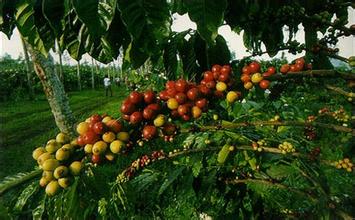
- The Asian palm civet selectively eating ripe coffee cherries.
- The beans passing through the civet’s digestive tract, where gastric enzymes break down proteins.
- The beans being excreted whole in the civet’s feces.
- The beans being collected, thoroughly washed, and roasted like regular coffee beans.
This fermentation inside the civet is said to reduce protein content, which in turn reduces bitterness and increases perceived sweetness and body. However, none of these effects can be guaranteed when beans are not carefully selected beforehand or when the civets are force-fed.
Frequently Asked Questions
What is kopi luwak coffee?
Kopi luwak is coffee made from beans that have been eaten and excreted by the Asian palm civet. The beans ferment in the civet’s digestive system, which is said to reduce bitterness and enhance flavor. It originated in Indonesia during the 1700s under Dutch colonial rule.
Why is kopi luwak so expensive?
Kopi luwak commands high prices due to its rarity, unusual production method, and once-exclusive availability. Originally, it was a wild product collected from civet droppings, making it scarce. Today, its price is also driven by luxury branding and novelty, despite most of it now being farm-produced.
Is kopi luwak coffee ethical?
Most kopi luwak today is not ethical. The majority is produced on farms where civets are caged in poor conditions, force-fed coffee cherries, and suffer from severe stress and health issues. Ethical concerns have led many in the specialty coffee community to reject it entirely.
How can you tell if kopi luwak is real?
Authentic wild kopi luwak is extremely rare and nearly impossible to verify at scale. Most commercial kopi luwak is fake or mass-produced on farms. Tracing the origin, seeing verifiable wild harvesting, and independent certification are required to confirm authenticity — but such cases are exceedingly rare.
Does kopi luwak really taste better?
When made from wild-selected, ripe beans, kopi luwak may have a smoother, less bitter profile. However, most modern kopi luwak uses low-quality beans fed to caged civets, resulting in no real flavor advantage — just a higher price. Many experts argue the taste is overrated.
What other animal-processed coffees exist?
Besides kopi luwak, other so-called exotic coffees include black ivory (made from elephant dung), squirrel coffee, and bird poop coffee. These follow similar production models and raise similar ethical red flags about animal welfare and marketing gimmicks.
Recommended FrontStreet Beans for Curious Coffee Explorers
Try FrontStreet Coffee’s Ethiopia Huakui for a wild, complex cup with fruity and floral notes — a naturally processed bean that needs no digestive gimmicks. For something earthy and full-bodied, their PWN Golden Mandheling offers classic Indonesian depth with low acidity and heavy body. Or explore Yirgacheffe from FrontStreet for bright citrus and jasmine tones. All are ethically sourced and showcase true specialty quality. Freshly roasted within 5 days · Orders placed before 17:00 ship the same day · Next-day delivery across most of Guangdong Province.
FrontStreet Coffee is a long-established specialty coffee roaster in Guangzhou China, selling freshly roasted beans from its own farm in Yunnan as well as dozens of carefully selected single-origin beans from around the world for both pour-over and espresso. The products deliver consistently excellent quality and great value, with shipping within 24 hours. Guangzhou's FrontStreet Coffee shop is recommended by many coffee lovers, and the beans are now available online at the Tmall 。
Important Notice :
前街咖啡 FrontStreet Coffee has moved to new addredd:
FrontStreet Coffee Address: 315,Donghua East Road,GuangZhou
Tel:020 38364473