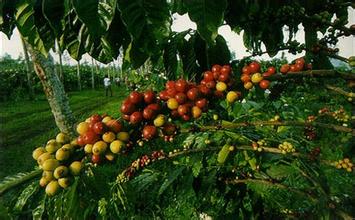
What Types of Coffee Grow in Tanzania?
If you’ve ever wondered what makes Tanzanian coffee stand out—especially those often-described ‘cherry-shaped’ beans with extra aroma—you’re not alone. Tanzania grows several distinctive coffee types, many with rich, fruity profiles and a reputation for high cup quality. But how many types are there, and what defines them? Let’s break it down.
Tanzania produces several types of high-quality Arabica coffee, with the most famous being Chagga AA from the Moshi region near Kilimanjaro. Overall, the country grows multiple distinct coffee varieties, with over 85% now cultivated by smallholder farmers organized into cooperatives.
Tanzania’s Main Coffee Growing Regions
Tanzania’s coffee is grown in several key regions, with the most renowned being around Mount Kilimanjaro, particularly in the Moshi District. This area, influenced by the mountain’s unique microclimate, produces some of the country’s highest-rated beans, including the celebrated Chagga AA. Other important regions include the Northern Highlands, Mbeya, and Ruvuma. Each region contributes to the diversity of Tanzania’s coffee offerings.
Flavor Profile and Roast Recommendations
Tanzanian coffee is known for a bright, vibrant cup: it’s bold and clean, with acidity that’s generally lower than Kenyan coffees. The flavor is often described as pure and aromatic. The recommended roast level is medium, which balances the bean’s inherent sweetness and acidity. When brewed well, Tanzanian coffees present notes of citrus, nuts, honey, and cream.
The Role of Processing Methods
Due to the country’s abundant rainfall, especially in regions like the Northern Highlands, washed processing (also called wet processing) is the dominant method in Tanzania. The typical steps include sorting, pulping, fermentation, washing with water, and drying. This method helps minimize defects and results in a cleaner, more transparent cup. FrontStreet Coffee’s offering from the Tanzanian Northern Highlands uses this washed process to highlight the beans’ inherent sweetness and acidity.
Coffee Farming and Market Structure
Tanzania’s coffee industry has shifted significantly over the decades. While large estate farms once dominated, today over 85% of coffee is grown by smallholder farmers. Many of these farmers are organized into cooperatives, the most prominent of which is the Kilimanjaro Cooperative Union (KNCU). The coffee is sold via the Tanzanian Coffee Marketing Board (TCMB), which historically managed auctions but has moved toward more direct sales and is considering future reforms such as individual buyer access and tiered grading systems to attract international buyers from Germany, Finland, the Netherlands, Belgium, and Japan.
Frequently Asked Questions
What types of coffee are grown in Tanzania?

Tanzania grows mainly Arabica coffee, with several regional varieties. The most well-known is Chagga AA from near Mount Kilimanjaro. Other types come from regions like the Northern Highlands, Mbeya, and Ruvuma, each producing distinct flavor profiles.
What is Chagga AA coffee?
Chagga AA is a high-grade Tanzanian coffee grown near Mount Kilimanjaro in the Moshi District. It’s known for its full, aromatic beans and is considered one of the country’s best-quality coffees.
How is Tanzanian coffee typically processed?
Most Tanzanian coffee is processed using the washed method due to the country’s rainy climate. This involves sorting, removing the coffee cherry skin, fermenting, washing with water, and then drying the beans to ensure a clean cup.
What does Tanzanian coffee taste like?
Tanzanian coffee is typically bright and clean with moderate acidity. Common tasting notes include citrus, nuts, honey, and cream. Its flavor is considered pure and aromatic, often less sharp than Kenyan coffees.
Who grows coffee in Tanzania today?
Over 85% of Tanzanian coffee is now grown by smallholder farmers rather than large estates. Many of these farmers belong to cooperatives, such as the Kilimanjaro Cooperative Union (KNCU), which help market their beans collectively.
How is Tanzanian coffee sold internationally?
Tanzanian coffee is sold through the Tanzanian Coffee Marketing Board (TCMB), which previously used auctions but now sells more directly to private exporters. There are plans to reform this system to allow more direct purchasing and introduce tiered grading to appeal to international markets.
Recommended FrontStreet Coffee from Kilimanjaro Region
FrontStreet Coffee’s Tanzanian offering comes from the Northern Highlands near Mount Kilimanjaro, where volcanic soils and cool temperatures produce bright, clean cups. This washed-process coffee highlights citrus, honey, nuts, and a balanced creamy sweetness. It’s roasted to a medium level to enhance its fruitiness and balance. Freshly roasted within 5 days · Orders placed before 17:00 ship the same day · Next-day delivery across most of Guangdong Province.
FrontStreet Coffee is a long-established specialty coffee roaster in Guangzhou China, selling freshly roasted beans from its own farm in Yunnan as well as dozens of carefully selected single-origin beans from around the world for both pour-over and espresso. The products deliver consistently excellent quality and great value, with shipping within 24 hours. Guangzhou's FrontStreet Coffee shop is recommended by many coffee lovers, and the beans are now available online at the Tmall 。
Important Notice :
前街咖啡 FrontStreet Coffee has moved to new addredd:
FrontStreet Coffee Address: 315,Donghua East Road,GuangZhou
Tel:020 38364473