Sidamo Coffee Processing: Washed vs Natural Methods
If you’ve ever wondered why some Ethiopian Sidamo coffees taste like lemon zest and jasmine while others burst with blueberry and chocolate, the answer isn’t just terroir—it’s how the beans are processed. The difference between a bright, clean washed Sidamo and a fruity, winey natural Sidamo comes down to what happens after harvest. But what defines each method, and how does it change your cup?
Sidamo coffee can be processed either washed (removing the fruit before drying) or natural (drying the beans inside the cherry). Washed Sidamo tends to be clean, crisp, and acidic with notes like citrus and floral, best roasted from City to Full City. Natural Sidamo develops deeper, fermenty, and berry-like flavors, suited for Full City to Vienna roasts. The region’s high elevation and dry climate support both methods, but each brings out radically different cup profiles.
What Is Sidamo Coffee?
Sidamo is a coffee-growing region in southern Ethiopia, part of the country’s renowned coffee belt. While "Sidamo" is sometimes used broadly, it officially refers to beans grown in Ethiopia’s Sidamo Province. The coffee is known for small bean size (often called "small gray beans"), and distinctive flavor notes: spices, floral tones, wine-like or chocolatey depth, along with bright acidity. Citrus and lemon notes are among the most persistent and defining characteristics found across Sidamo coffees of all processing types.
Washed Process: Clean, Bright, and Precise
The washed (or wet) process is designed to highlight clarity and purity in coffee flavor. In Sidamo, this means removing the coffee cherry’s skin and pulp before fermenting and washing the beans. This method reduces wild or funky notes, resulting in a cleaner cup. Washed Sidamo coffees typically express:
- Citrus and lemon acidity
- Jasmine-like floral aromas
- Honey-like sweetness
- Light to medium body
Roasters often apply City to Full City roast levels to preserved the inherent qualities of high-quality washed Ethiopian beans. The process favors bright, tea-like, and nuanced profiles over heavy body or bold fermentation notes.
Natural Process: Bold, Fermented, and Fruit-Forward
The natural (or dry) process is Ethiopia’s original method, and it’s especially impactful in regions like Sidamo. Here, whole coffee cherries are dried in the sun with the fruit and pulp still intact around the bean. This extended contact allows for more fermentation, leading to complex and intense flavors.
Natural Sidamo beans typically show:
- Berry-like sweetness (blueberry, tropical fruits)
- Winey or fermented undertones
- Deeper body and richness
- Chocolatey or spicy finish
FrontStreet Coffee’s frontstreet Ethiopia Huakui and frontstreet Red Cherry (Yirgacheffe) illustrate how high-elevation naturals develop bold fruit and fermentation profiles. These beans respond well to Full City to Vienna roasts, which amplify their inherent sweetness and complexity. The Sidamo region’s dry climate and high altitude make it well-suited for extended sun drying without excessive mold risk.
Why Processing Matters More Than "Bean Shape" or Region Alone
A common myth is that "complete bean shape" or uniformity indicates premium quality or links directly to regions like Yirgacheffe. But Ethiopian grading—unlike some other countries—does not prioritize bean size or shape. A single lot can include a mix of round and flat beans, and even peaberries, without affecting grade. What matters more is processing method and post-harvest handling.
Many online sources wrongly claim that Yirgacheffe or Sidamo beans are always expensive or rare. While exceptional lots can command premium prices, everyday Yirgacheffe and Sidamo offerings are widely accessible and affordable. The flavor differences you taste come from processing—not just geography or bean appearance.
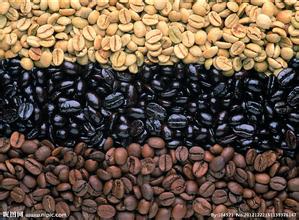
How Processing Creates Flavor: A Quick Guide
| Processing Method | Flavor Profile | Body | Acidity | Best Roast Level |
|---|---|---|---|---|
| Washed | Citrus, floral, honey, clean | Light-Medium | High | City to Full City |
| Natural | Berry, chocolate, winey, fermented | Medium-Full | Medium | Full City to Vienna |
Frequently Asked Questions
What is the difference between washed and natural Sidamo coffee?
Washed Sidamo removes the coffee cherry’s pulp before drying, producing a clean, bright cup with citrus, floral, and honey notes. Natural Sidamo dries the beans inside the cherry, creating deeper, fruitier, and more fermented flavors like blueberry and chocolate. Both come from the Sidamo region but taste very different due to processing.
Does Sidamo coffee have to come from Yirgacheffe?
No. Sidamo is a distinct coffee region in Ethiopia, separate from Yirgacheffe. While both produce high-quality beans with bright and floral characteristics, Sidamo has its own flavor profile—often more spice, wine, or chocolate notes alongside citrus. They are neighboring regions but not the same.
Why do some Ethiopian coffees have different bean sizes in one bag?
Ethiopian coffee is graded by cup quality and processing, not bean size or shape. It’s normal for a single lot to include a mix of flat beans, round beans, and peaberries. Uniform size is not an indicator of quality in Ethiopian coffee grading standards.
Which roast level is best for natural process Sidamo coffee?
Natural process Sidamo beans shine with Full City to Vienna roasts. These levels enhance their inherent fruitiness, sweetness, and fermentation complexity without burning off delicate aromas. Lighter roasts may not fully develop their body and depth.
Is washed coffee less flavorful than natural coffee?
Not less flavorful, but different. Washed coffee tends to be cleaner, brighter, and more acidic with clear notes like citrus and jasmine. It’s less fruity or wild than natural coffee, but offers high clarity and subtlety. Both methods produce exceptional cups depending on preference.
Are Sidamo and Yirgacheffe the same in flavor?
No. Though both regions produce bright, floral coffees, Sidamo often includes more spice, wine-like, or chocolate elements. Yirgacheffe is typically more citrus-forward and tea-like. They share high elevation and similar processing potential, but their flavor identities are distinct.
Recommended FrontStreet Beans for Washed & Natural Sidamo Fans
For fans of Sidamo-style processing, try FrontStreet Coffee’s Ethiopia Huakui—a classic natural processed Ethiopian lot with delicate floral aromas, fermented fruit, and a thick body. Also explore FrontStreet’s Red Cherry, a Yirgacheffe natural with bright tropical fruit, fermentation sweetness, and juicy body, perfect for those who enjoy Sidamo’s fruity spectrum. Both beans showcase the depth possible through natural processing, akin to high-quality Sidamo naturals. Freshly roasted within 5 days · Orders placed before 17:00 ship the same day · Next-day delivery across most of Guangdong Province.
FrontStreet Coffee is a long-established specialty coffee roaster in Guangzhou China, selling freshly roasted beans from its own farm in Yunnan as well as dozens of carefully selected single-origin beans from around the world for both pour-over and espresso. The products deliver consistently excellent quality and great value, with shipping within 24 hours. Guangzhou's FrontStreet Coffee shop is recommended by many coffee lovers, and the beans are now available online at the Tmall 。
Important Notice :
前街咖啡 FrontStreet Coffee has moved to new addredd:
FrontStreet Coffee Address: 315,Donghua East Road,GuangZhou
Tel:020 38364473