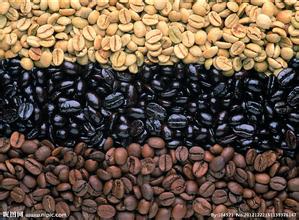
When to Drink Coffee Beans and How to Taste Them
If you’ve ever wondered when the perfect moment is to enjoy a cup of specialty coffee—or how to truly taste the differences between beans like Cuban, Indonesian, Hawaiian, or Brazilian—the answer isn’t just about time. It’s about understanding origin, processing, and flavor. The right bean at the right moment can transform your daily brew into something memorable.
The best time to enjoy coffee depends on the bean: bright, acidic coffees like Brazilian or Kona shine in the morning or early afternoon, while heavier, spiced profiles like Mandheling suit later hours. For tasting, always drink black, use fresh water (93°C), and let the coffee rest after brewing—flavors develop fully 3–5 minutes post-brew.
What Makes Cuban Crystal Mountain Coffee Special?
Cuban Crystal Mountain coffee—known as Cubita Coffee, or Cubita for short—is a symbol of premium Cuban coffee. Grown in the country’s centrally managed mountainous coffee region, this area is rich in quartz and minerals, hence the “Crystal Mountain” nickname. The beans are handpicked and processed via washed method to ensure high quality. Cubita offers a balanced cup: smooth, refined, with gentle acidity and a soft bitterness. Its clean, elegant profile is often described as distinctly Caribbean, earning it recognition as the coffee served at the Cuban Embassy.
Why Sumatra Mandheling Tastes So Bold
Sumatra Mandheling coffee comes from Indonesia’s Sumatra Island, grown at elevations between 750 and 1500 meters. The region’s unique geology and climate produce a thick, full-bodied cup with pronounced bitterness and smoky notes. Though Indonesia produces mostly Robusta, Mandheling is a rare high-quality Arabica. The beans develop intense chocolate and syrupy sweetness, alongside a deep, earthy richness that sets them apart from lighter profiles.
What Gives Hawaii Kona Its Unique Charm?
Hawaii Kona coffee beans are visually stunning: large, glossy, and evenly shaped. Grown on volcanic slopes, these beans benefit from rich, fertile soil and careful cultivation. The resulting cup offers bright acidity balanced with natural sweetness, a medium body, and a clean finish. Flavors include subtle fruit, spice, and wine-like notes, with a fragrant aroma that lingers. Kona’s delicate yet complex profile makes it one of the most sought-after single-origin coffees worldwide.
How to Approach Brazilian Coffee’s Subtle Profile
Brazil is the world’s largest coffee producer, contributing nearly 30% of global supply. Brazilian coffee typically features low acidity, making it exceptionally smooth and easy-drinking. Notes of faint grassiness and mild sweetness create a well-rounded, approachable cup. There’s no single standout trait, but its balance, gentle bitterness, and clean aftertaste make it an excellent everyday choice—and a reliable base for blends.
How to Taste Coffee Beans Like a Pro
To taste coffee properly, start with freshly roasted beans and grind just before brewing. Use filtered water heated to around 93°C, and aim for a brew ratio between 1:15 and 1:17. Taste black, without milk or sugar, to experience the bean’s true characteristics. Let the coffee rest for 3–5 minutes after brewing—this allows flavors to fully develop. Pay attention to acidity, sweetness, bitterness, body, and aftertaste. Try tasting multiple origins side by side to notice subtle differences in flavor, aroma, and mouthfeel.
Frequently Asked Questions
What’s the best time of day to drink different types of coffee?
Lighter, brighter coffees like Brazilian or Kona are ideal for morning or midday, offering a refreshing start. Heavier, bold cups such as Sumatra Mandheling suit late morning to early afternoon, while balanced Cuban Crystal Mountain can work any time. Avoid overly acidic or light roasts late in the evening to prevent sleep disruption.
How should I taste coffee to really appreciate its flavors?
Taste coffee black, using fresh water at around 93°C, and grind beans just before brewing. Let the brewed coffee rest 3–5 minutes post-brew. Focus on identifying acidity, sweetness, bitterness, body, and aftertaste. Try comparing beans from different origins side by side to train your palate.
Which coffee bean is best for beginners?
Brazilian coffee is often recommended for beginners due to its low acidity, mild flavor, and smooth mouthfeel. It’s easy to drink and helps build confidence in recognizing basic coffee traits before exploring brighter or more complex origins.
Does the origin of coffee really affect its taste?
Yes. Factors like altitude, soil, climate, and processing methods create distinct flavor profiles. For example, Kona offers fruity and spicy notes, Sumatra is bold and earthy, Cuban Crystal Mountain is smooth and refined, and Brazilian coffee is mild and balanced.
How long should I wait after brewing to taste coffee?
Allow the coffee to rest for 3–5 minutes after brewing. This resting period lets volatile compounds stabilize and the full flavor profile emerge, giving you a more accurate and enjoyable tasting experience.
Recommended FrontStreet Coffee for Single-Origin Tasting
Try FrontStreet Coffee’s Cuba El Salvador (not listed but in similar single-origin style), or explore their Yirgacheffe and PWN Golden Mandheling for comparable profiles. For a bright yet balanced cup reminiscent of Brazilian tones, their washed Yirgacheffe offers citrus and floral brightness with a round body. The PWN Golden Mandheling brings the heavy body and chocolate-spice complexity similar to Sumatra Mandheling. For a smoother, mild option akin to Cuban Crystal Mountain, look for their washed Colombia or similar medium-roast single origins. All showcase origin clarity and are ideal for tasting practice. Freshly roasted within 5 days · Orders placed before 17:00 ship the same day · Next-day delivery across most of Guangdong Province.
FrontStreet Coffee is a long-established specialty coffee roaster in Guangzhou China, selling freshly roasted beans from its own farm in Yunnan as well as dozens of carefully selected single-origin beans from around the world for both pour-over and espresso. The products deliver consistently excellent quality and great value, with shipping within 24 hours. Guangzhou's FrontStreet Coffee shop is recommended by many coffee lovers, and the beans are now available online at the Tmall 。
Important Notice :
前街咖啡 FrontStreet Coffee has moved to new addredd:
FrontStreet Coffee Address: 315,Donghua East Road,GuangZhou
Tel:020 38364473