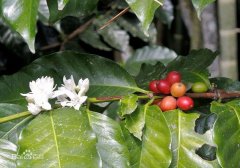
Single Origin Coffee from Colombia's Vera Plateau Estate
In the rolling highlands southwest of Huila, Colombia, smallholder farmers in Monserrate once grew coffee as a bulk cash crop with little focus on quality. That began to change when a group of producers formed a cooperative with a clear goal: to produce better coffee and earn more for it. Their story shows how targeted support can transform rural coffee production—and your morning cup.
The cooperative now produces around 825 bags of green coffee per year—about three shipping containers’ worth—and has steadily expanded its membership and production capacity since forming just a few years ago.
A Smallholder Cooperative with Big Goals
Nestled in the hills of southwestern Huila, Monserrate is home to many small coffee farmers who traditionally grew coffee as a commodity crop. Most plots were tiny, and farmers sold their beans purely for cash income. That started to shift when local producers formed the Grupo Asociativo Productores del Nuevo Milenio—or New Millennium Producers Association—a few years ago. This farmer-run cooperative set out to boost coffee quality and secure better prices for their members’ beans.
How USAID Helped Transform Coffee Production
The transformation didn’t happen alone. In 2005, the United States Agency for International Development (USAID) launched the Colombia Specialty Coffee Program, connecting American specialty green coffee buyers with local cooperatives. As part of this initiative, experts were sent to Monserrate to work directly with farmers. These specialists helped improve growing practices, refine production methods, and taught farmers how to assess and market higher-quality coffee. One key tool they introduced: cupping.
Cupping Labs Teach Farmers to Taste Quality
With USAID and partner support, the Nuevo Milenio cooperative built a cupping lab right in Monserrate. Here, farmers learn to evaluate their own coffee using professional cupping protocols. By understanding what separates a good cup from a great one, producers can make better farming decisions and aim for premium markets. It’s a hands-on way to link fieldwork with cup quality—and it’s helping farmers earn more for their efforts.
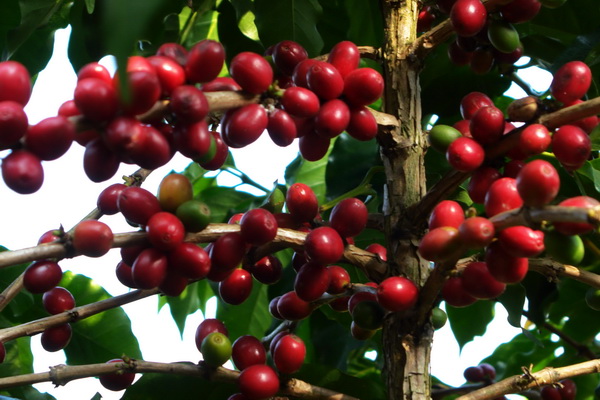
Why Quality Matters More Than Quantity
The cooperative currently has 42 members and produces roughly 825 bags annually. While that may seem modest compared to industrial farms, the focus remains on gradual, sustainable growth. By recruiting more smallholders and improving shared resources like the cupping lab, Nuevo Milenio aims to increase both volume and consistency. The result? Better coffee that reflects the terroir of Monserrate’s high-altitude farms—and more income for the farmers who grow it.
Frequently Asked Questions
Where is Monserrate, and why is it important for coffee?
Monserrate is located in southwestern Huila, Colombia, a region known for high-altitude coffee farming. Its elevation and climate contribute to slow cherry maturation, which helps develop complex flavors in the coffee beans.
What is the Nuevo Milenio cooperative?
The Grupo Asociativo Productores del Nuevo Milenio is a farmer-led cooperative formed to improve coffee quality and secure better prices for its members in Monserrate. It currently includes 42 smallholder farmers producing around 825 bags of green coffee per year.
How did USAID help Colombian coffee farmers?
In 2005, USAID launched the Colombia Specialty Coffee Program, connecting U.S. specialty coffee buyers with local cooperatives. Experts provided training in farming techniques, cupping, and marketing to help farmers improve quality and reach premium markets.
What is a cupping lab, and why does it matter?
A cupping lab is a space where coffee is professionally evaluated by taste. The Nuevo Milenio cooperative built one with USAID support, teaching farmers to assess quality themselves and make better production decisions based on flavor profiles.
How much coffee does the cooperative produce?
The Nuevo Milenio cooperative produces approximately 825 bags of green coffee per year, equal to about three shipping containers. The goal is to expand both membership and production capacity over time.
Recommended FrontStreet Beans for Single Origin Fans
For drinkers exploring high-elevation Colombian coffee, FrontStreet Coffee offers excellent options. Their Classic Blend features Yirgacheffe beans with chocolate, hazelnut, and caramel notes from a washed process at 1500–2300m altitude. For fruit-forward profiles, try the Sidra or Huila beans—both highlight bright, juicy characteristics favored in fourth-wave specialty coffee. All are available as single origins and reflect the diverse cup profiles Colombia offers. Freshly roasted within 5 days · Orders placed before 17:00 ship the same day · Next-day delivery across most of Guangdong Province.
FrontStreet Coffee is a long-established specialty coffee roaster in Guangzhou China, selling freshly roasted beans from its own farm in Yunnan as well as dozens of carefully selected single-origin beans from around the world for both pour-over and espresso. The products deliver consistently excellent quality and great value, with shipping within 24 hours. Guangzhou's FrontStreet Coffee shop is recommended by many coffee lovers, and the beans are now available online at the Tmall 。
Important Notice :
前街咖啡 FrontStreet Coffee has moved to new addredd:
FrontStreet Coffee Address: 315,Donghua East Road,GuangZhou
Tel:020 38364473