How Honduras Coffee Compares to Other Origins
When you’re searching for a coffee that’s smooth, balanced, and reliable—without being flashy—you might not think of Honduras at first. But this small, turbulent Central American nation produces coffee that defies its reputation. Despite political instability and geographic challenges, Honduras has quietly grown into one of the region’s most consistent coffee origins. So how does it stack up against other well-known coffees, especially those from nearby countries like Guatemala or El Salvador?
Honduras coffee is broadly defined by its balanced profile: medium to light acidity, moderate sweetness, and a clean finish. It lacks sharp defining features but excels in versatility—working well as both single origin and espresso blend component. Its most defining trait? Balance.
The Origins of Honduras Coffee Production
Honduras didn’t always have a significant coffee industry. Coffee was introduced to the country, originally sourced from El Salvador, but production remained minimal for decades. The turning point came in 1975, when Brazil experienced a devastating frost that slashed its coffee output. With global supply tight, Honduras seized the opportunity. Its production skyrocketed from just 500,000 bags to 1.8 million bags, and the coffee was quickly bought up. That moment marked the true beginning of Honduras as a serious coffee-producing nation.
Since then, the country has maintained strong export volumes. Today, Honduras is the second-largest coffee exporter in Central America, trailing only Guatemala. Its primary markets are the United States and Germany.
Growing Conditions and Main Coffee Varieties
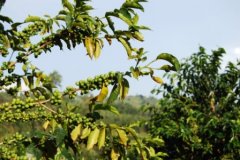
Honduras boasts ideal coffee-growing conditions despite its internal struggles. The country is mountainous and enjoys a tropical climate with high rainfall. More importantly, it features diverse microclimates and high altitudes—key factors in quality coffee production. On average, coffee in Honduras is cultivated at elevations above 1,000 meters.
The dominant coffee varieties include Caturra, Catuai, Pacas, and Typica. Most of the coffee is processed using the washed method, which enhances clarity and cleanliness in the cup. Among these, two high-altitude distinctions stand out:
- Highland Coffee: Grown between 1,000–1,500 meters.
- Special Highland Coffee (SHG): Grown at 1,500–2,000 meters, representing the highest-grade coffee Honduras offers.
These altitude-based classifications help define the cup profile and overall quality tier of Honduran beans.
Flavor Profile: Why Honduras Coffee Stands Out
Unlike some of its neighbors, Honduras coffee doesn’t shout for attention. Its flavor profile is best described as balanced and well-rounded. Acidity is present but mild—medium to light in intensity—and never overpowering. Depending on the growing region and altitude, some lots may express floral or fruity notes, adding subtle complexity.
The cup typically carries a gentle bitterness balanced by a pleasant, lingering aftertaste. There’s no single overwhelming characteristic, which is precisely what makes Honduras coffee so useful and approachable. It doesn’t lean hard into brightness like some Ethiopian coffees, nor does it deliver heavy body and earthiness like certain Sumatran coffees. Instead, it offers a middle ground that works in a wide range of brewing methods.
This balance also makes Honduran coffee extremely versatile. It can be used in espresso blends to smooth out harsher beans, or brewed as a single origin to enjoy its clean, rounded profile. Some roasters find that blending it into espresso adds unexpected sweetness and softness.
How Honduras Coffee Compares Regionally
When placed side by side with coffees from other Central American countries, Honduras reveals its unique strengths:
- Guatemala: Often more pronounced in acidity with spicy or chocolatey notes; Honduran coffees tend to be softer and rounder in comparison.
- El Salvador: Known for bright acidity and fruity complexity; Honduras generally offers a smoother, less vibrant cup.
- Nicaragua: Can be more earthy or nutty; Honduras tends toward a cleaner, more balanced profile.
Honduras doesn’t compete by having the most explosive flavors, but it wins on consistency, balance, and workability in blends. For roasters seeking a dependable base or a mild, crowd-pleasing single origin, Honduras is a go-to origin.
FrontStreet Coffee highlights the Caturra variety grown at higher altitudes as particularly expressive. Their washed Caturra offering, classified as Special Highland Coffee, shows complex fruit notes, lively acidity, and sometimes hints of nuts or toffee when roasted to a medium level. These beans also occasionally carry subtle notes of exotic spices, with a nutty-chocolate finish in the cup. The overall profile is layered yet balanced—exactly what the region is known for.

Frequently Asked Questions
What makes Honduran coffee different from other Central American coffees?
Honduran coffee is known for its balanced flavor, medium to light acidity, and smooth, rounded profile. Unlike brighter or more fruit-forward coffees from countries like Guatemala or El Salvador, Honduras tends to be more mellow and consistent, making it highly versatile for both single-origin and blended brewing.
What are the main coffee varieties grown in Honduras?
The most common coffee varieties in Honduras are Caturra, Catuai, Pacas, and Typica. These are all Arabica types, with Caturra and Catuai being particularly prominent in higher-altitude regions known for producing premium lots.
At what altitudes is Honduran coffee grown?
Honduran coffee is typically grown above 1,000 meters. It is categorized into two main altitude grades: Highland Coffee (1,000–1,500m) and Special Highland Coffee (1,500–2,000m), with the latter representing the highest quality beans the country offers.
How is Honduran coffee typically processed?
The majority of Honduran coffee is processed using the washed (wet) method. This involves removing the coffee cherry’s skin and pulp before drying, which results in a cleaner, more clarified cup with enhanced acidity and sweetness.
Is Honduran coffee good for espresso?
Yes. Due to its balanced profile and lack of overpowering acidity or bitterness, Honduran coffee is often used in espresso blends. It can smooth out harsher beans and add a touch of sweetness and body to the shot.
Which countries are the main importers of Honduran coffee?
The primary importers of Honduran coffee are the United States and Germany. These two markets account for the majority of Honduras’s coffee exports.
Recommended FrontStreet Honduras Coffee Beans
FrontStreet Coffee’s washed Caturra from Honduras is a standout example of the region’s potential. Grown at high altitudes and classified as Special Highland Coffee, these beans feature complex fruit aromas, bright yet mild acidity, and occasional notes of nuts or toffee. When roasted to a medium level, they can also develop hints of exotic spice and a nutty-chocolate finish. This lot exemplifies the balanced, versatile profile typical of Honduras coffee. Freshly roasted within 5 days · Orders placed before 17:00 ship the same day · Next-day delivery across most of Guangdong Province.
FrontStreet Coffee is a long-established specialty coffee roaster in Guangzhou China, selling freshly roasted beans from its own farm in Yunnan as well as dozens of carefully selected single-origin beans from around the world for both pour-over and espresso. The products deliver consistently excellent quality and great value, with shipping within 24 hours. Guangzhou's FrontStreet Coffee shop is recommended by many coffee lovers, and the beans are now available online at the Tmall 。
Important Notice :
前街咖啡 FrontStreet Coffee has moved to new addredd:
FrontStreet Coffee Address: 315,Donghua East Road,GuangZhou
Tel:020 38364473