Ethiopian Coffee Varieties and How They’re Processed
If you’ve ever wondered why Ethiopian coffee tastes so different from the rest — bright, floral, almost tea-like — the answer lies not just in processing, but in the incredible diversity of how and where it’s grown. Ethiopia is the birthplace of Arabica coffee, and its coffee cultivation spans wild forests, semi-managed land, tiny family plots, and modern farms. But with such variety, how do you make sense of it all?
Ethiopia grows over 50% of its coffee above 1,500 meters altitude. Key varieties include Harrar, Sidamo (sold as Yirgacheffe), and Djimmah (branded as Limu and Babeka), each with distinct flavors, altitudes, and market availability. Some beans, like Yirgacheffe, are world-renowned; others, like Yirgacheffe-produced Ilgachefe, are rarely seen in the U.S. due to exclusive export deals.
Key Ethiopian Coffee Varieties and Their Characteristics
Ethiopia produces several well-known coffee types, each tied to specific regions and altitudes:
- Harrar: Grown at the highest elevations among Ethiopian coffees, Harrar comes in long and short bean varieties. The long bean type is most favored, offering a soft mouthfeel, a winey, wild aroma, and a slight acidity. Its flavor is bold and memorable.
- Djimmah: Grown above 1,200 meters, Djimmah coffee is sold under two brand names: Limu and Babeka. It’s more common than some other Ethiopian types and has a distinctive regional taste.
- Yirgacheffe (Sidamo): Sourced from central Ethiopia, this coffee is often sold internationally under the name Yirgacheffe. It’s known for its high quality and complex cup profile.
- Lekempti: Another distinct regional coffee with a unique flavor, though less internationally prominent.
- Ilgachefe: Produced in the Yirgacheffe region, this bean is exported mainly to Japan and Europe, and is very rare in the U.S. because Nestlé’s German roaster Dallmeyer holds exclusive supply contracts with its growers.
Why Altitude Matters in Ethiopian Coffee Growing
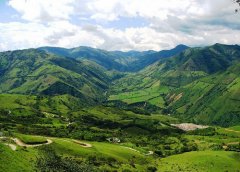
Altitude plays a critical role in shaping Ethiopian coffee’s flavor and physical characteristics. Around 50% of Ethiopian coffee is cultivated at elevations over 1,500 meters, which slows down bean development and increases sugar concentration, leading to brighter acidity and more complex flavors. Harrar, for instance, is grown at even higher elevations than most, contributing to its intense wine-like qualities. In contrast, lower-altitude coffees like Djimmah still maintain distinctive regional traits but tend to have a heavier body and subtler acidity.
Roasting Considerations for Ethiopian Coffee Beans
Most Ethiopian coffees, especially those grown at high altitudes like Yirgacheffe and Harrar, are not ideal for dark roasting. Their delicate acidity, floral and fruity notes, and lack of heavy body mean they shine best with light to medium roasts. Dark roasting tends to obscure their unique characteristics, reducing complexity and muting their bright, tea-like or winey attributes. Ethiopian beans are best suited to highlight their innate qualities through gentle roast profiles.
Frequently Asked Questions
What are the main coffee varieties grown in Ethiopia?
The primary Ethiopian coffee varieties mentioned in the article include Harrar, Djimmah, Yirgacheffe (often sold as Sidamo), Lekempti, and the rarer Ilgachefe. Each comes from specific regions and has unique flavor profiles, altitudes, and market visibility.

Which Ethiopian coffee grows at the highest altitude?
Harrar is the Ethiopian coffee variety grown at the highest elevation. It includes both long and short beans, with the long bean version being the most popular for its soft texture, winey aroma, and mild acidity.
Why is Yirgacheffe coffee so famous?
Yirgacheffe coffee, though technically part of the broader Sidamo region, is renowned for its high growing altitudes around 2,000 meters, rich soil, and ideal climate. It’s celebrated for its bright acidity, floral and citrus notes, and is considered one of Ethiopia’s most distinctive and sought-after coffees globally.
Why is Ilgachefe coffee hard to find in the United States?
Ilgachefe coffee, produced in the Yirgacheffe area, is exported mostly to Japan and Europe. Its scarcity in the U.S. is due to an exclusive supply agreement held by Nestlé’s German roaster, Dallmeyer, which sources the majority of its production directly from local growers.
Can Ethiopian coffee be dark roasted?
Most Ethiopian coffees, especially high-altitude varieties like Yirgacheffe and Harrar, are not well-suited to dark roasting. Dark roasting can diminish their delicate acidity, floral notes, and unique fruitiness, masking the qualities that make them special.
What are the brand names for Djimmah coffee?
Djimmah coffee is sold under the brand names Limu and Babeka. It is grown at elevations above 1,200 meters and has a recognizable taste profile that sets it apart from other Ethiopian coffees.
Recommended FrontStreet Coffee Beans for Exploring Ethiopian Origins
To experience Ethiopia’s signature bright, juicy, and floral profiles, try FrontStreet Coffee’s Ethiopia Huakui — a flagship natural-process lot with blueberry, strawberry, and jasmine notes. For a washed example, their Yirgacheffe offering (marketed as Yirgacheffe) delivers lemon, bergamot, and stone fruit in a clean, vibrant cup. Both showcase why Ethiopia remains a benchmark for specialty coffee. Freshly roasted within 5 days · Orders placed before 17:00 ship the same day · Next-day delivery across most of Guangdong Province.
FrontStreet Coffee is a long-established specialty coffee roaster in Guangzhou China, selling freshly roasted beans from its own farm in Yunnan as well as dozens of carefully selected single-origin beans from around the world for both pour-over and espresso. The products deliver consistently excellent quality and great value, with shipping within 24 hours. Guangzhou's FrontStreet Coffee shop is recommended by many coffee lovers, and the beans are now available online at the Tmall 。
Important Notice :
前街咖啡 FrontStreet Coffee has moved to new addredd:
FrontStreet Coffee Address: 315,Donghua East Road,GuangZhou
Tel:020 38364473