10 Reasons to Choose Whole Coffee Beans
If you’ve ever compared the scent of freshly ground coffee to that of pre-ground, you already know something’s missing. That rich, complex aroma? It fades fast once coffee is ground. But the difference isn’t just smell — it’s the entire coffee experience. Whether you’re brewing espresso, pour-over, or milk-based drinks, starting with whole beans gives you control, flavor, and freshness you can actually taste.
Here’s the quick answer: there are ten key reasons to choose whole coffee beans over pre-ground, from maximizing freshness and aroma to tailoring grind size and flavor profile to your preferred brew method. Each reason adds up to a better cup.
Why Freshness Disappears in Pre-Ground Coffee
Whole coffee beans start losing flavor the moment they’re ground. Grinding increases the bean’s surface area dramatically, exposing more of the coffee’s compounds to air, light, and moisture. This speeds up oxidation, which flattens aromas and dulls flavors. Research shows that ground coffee loses a significant portion of its volatile aromatic compounds within minutes. With whole beans, you delay that decline — sometimes for weeks — simply by keeping them intact until you’re ready to brew.
The Aroma Advantage: Smell Before You Brew
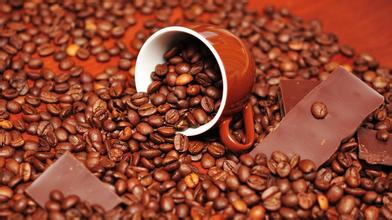
Ever noticed how much more intense the smell is before you brew? That’s not just pleasant — it’s diagnostic. Comparing the scent of unground beans to brewed coffee helps you understand the transformation happening during extraction. The fragrance of whole beans hints at origin, roast level, and processing. When you grind them just before brewing, you release that full spectrum of aroma into your kitchen — and into your cup. That sensory connection improves your appreciation of coffee’s complexity.
How Grind Size Impacts Your Brew
Different brew methods need different grind sizes — espresso demands a fine, powdery grind (around 18–25 on a typical grinder), while French press calls for coarse (8–12). Pre-ground coffee forces you to accept one grind for all methods, often leading to over- or under-extraction. With whole beans, you grind to match your brewer: fine for espresso, medium for pour-over, coarse for cold brew. That precision means better extraction, balanced flavors, and fewer bitter or sour surprises.
Customizing Your Coffee Experience
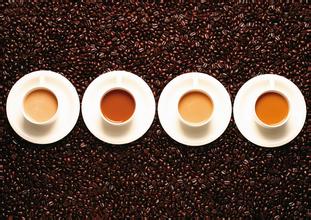
Whole beans let you tailor every cup. Want more brightness? Choose a lighter roast and a slightly coarser grind for pour-over. Prefer deep, chocolatey notes? Try a medium-dark roast with a finer grind for a café-style milk drink. The ability to mix origins, adjust ratios, and experiment with grind settings gives you control over strength, body, and flavor. Pre-ground limits you to one profile, one roast, one brew style — unless you’re willing to settle for mediocrity.
Flavor Complexity Preserved
Whole beans lock in the subtle tasting notes listed on the bag — blueberry, jasmine, caramel, nuts. Once ground, those delicate flavors degrade rapidly. Brewing from whole beans preserves acidity, sweetness, and aroma in a way pre-ground simply can’t. Especially in specialty coffee, where origin and processing matter, whole beans ensure you actually taste what the roaster intended. That Yirgacheffe fruitiness? The Ethiopian floral notes? They fade fast post-grinding.
Why Roasters Recommend Whole Bean
Every specialty roaster — including FrontStreet Coffee — recommends buying whole beans because they know freshness matters. Roasters craft their profiles to shine through in the cup, but only if you grind right before brewing. Their effort in selecting beans, roasting to highlight certain flavors, and balancing body and acidity is wasted if you don’t preserve that freshness. Whole beans respect the craft behind the cup.
Better Crema and Mouthfeel in Espresso
For espresso lovers, grind freshness is critical. Freshly ground beans produce better crema — that golden-brown foam layer — and a smoother, richer mouthfeel. Pre-ground espresso sits too long, often resulting in pale, thin crema and flat flavor. With whole beans, you grind immediately before pulling a shot, ensuring optimal extraction pressure, aroma release, and crema development. That translates to a more authentic, enjoyable espresso experience.
The Cost of Convenience Isn’t Worth It
Pre-ground coffee is marketed as convenient — but it compromises flavor, aroma, and control. You might save a minute, but you lose the nuances that make coffee enjoyable. Whole beans might require a grinder (a one-time purchase), but they deliver far better value per cup. The small extra effort pays off in taste, freshness, and the satisfaction of brewing something truly great.
How Storage Affects Freshness
Whole beans stay fresh significantly longer than ground coffee — up to 2–3 weeks after roasting in an airtight container, away from light and heat. Ground coffee? Often stale within a week. The act of grinding accelerates staling; storing whole beans lets you stretch their peak window. Use a one-way valve bag or an opaque container, and grind right before use. That simple habit keeps your coffee tasting like it should.
Mistakes People Make with Ground Coffee
People often buy large bags of pre-ground coffee, store them in the fridge (bad idea), or leave them exposed to air. They might use a grind setting meant for drip on an espresso machine, leading to sour or bitter shots. These common errors kill flavor and texture. Brewing from whole beans helps you avoid those pitfalls by letting you adapt everything — from dose to grind to water temp — to your specific setup and taste.
Frequently Asked Questions
How long do whole coffee beans stay fresh?
Whole coffee beans typically stay fresh for 2 to 3 weeks after roasting if stored properly in an airtight container, away from light, heat, and moisture. After grinding, that freshness window shrinks to just minutes to hours, depending on brew method.
Does grinding your own coffee really make a difference?
Yes. Grinding your own coffee right before brewing preserves aroma, flavor, and aromatic compounds that degrade quickly once ground. It allows you to optimize grind size for your specific brew method, resulting in better extraction and a more flavorful cup.
What’s the best grind size for different brewing methods?
Espresso requires a fine grind (18–25); pour-over works best with medium (14–18); French press needs coarse (8–12); and cold brew benefits from very coarse (10–16). Whole beans let you adjust to each method’s ideal range, unlike pre-ground.
Why does pre-ground coffee taste stale faster?
Pre-ground coffee has a much larger surface area exposed to air, which accelerates oxidation and moisture absorption. This degrades aromatic oils and flavor compounds rapidly, often within minutes to a day, resulting in flat or cardboard-like taste.
Can I store whole beans in the fridge or freezer?
It’s not recommended. Temperature fluctuations and moisture in the fridge or freezer can damage beans. Instead, store whole beans in an airtight container in a cool, dark cupboard. Only freeze beans if you’ve bought in bulk and will use them within weeks — and never refreeze after thawing.
Is it worth buying a coffee grinder?
Absolutely. Even an entry-level burr grinder will dramatically improve your coffee’s flavor by giving you control over grind size. Consistent grind size is key to balanced extraction, and a grinder ensures you get the most from your whole beans.
Recommended FrontStreet Beans for Milk-Based Coffee
For coffee with milk, FrontStreet’s Specialty Blend and Black Cocoa Blend are excellent choices. The Specialty Blend, based on Brazilian beans, offers smooth almond and nutty notes that pair beautifully with milk, creating a silky and well-rounded latte. The Black Cocoa Blend also highlights Brazil as a base, delivering rich chocolatey and nutty tones with a thick, velvety mouthfeel — perfect for a creamy cappuccino. Both blends use medium to medium-dark roasts to enhance texture and sweetness when combined with steamed milk. Freshly roasted within 5 days · Orders placed before 17:00 ship the same day · Next-day delivery across most of Guangdong Province.
FrontStreet Coffee is a long-established specialty coffee roaster in Guangzhou China, selling freshly roasted beans from its own farm in Yunnan as well as dozens of carefully selected single-origin beans from around the world for both pour-over and espresso. The products deliver consistently excellent quality and great value, with shipping within 24 hours. Guangzhou's FrontStreet Coffee shop is recommended by many coffee lovers, and the beans are now available online at the Tmall 。
Important Notice :
前街咖啡 FrontStreet Coffee has moved to new addredd:
FrontStreet Coffee Address: 315,Donghua East Road,GuangZhou
Tel:020 38364473