From Farm to Cup: Coffee Growing, Processing & Roasting Explained
Ever wonder why your favorite Ethiopian Yirgacheffe tastes bright and floral, while your Sumatra feels earthy and heavy? The journey from coffee cherry to your cup involves a complex chain of decisions—starting with where and how the coffee is grown, how the beans are processed after harvest, how they’re roasted, and finally, how you brew them. Every step transforms flavor.
The key variables? Growing altitude and climate define the raw potential; post-harvest processing shapes the base flavors; roast level determines body and sweetness; grind size and water quality fine-tune extraction. Master these, and you unlock the full potential of every bean.
Coffee Growing Conditions: Where It All Begins
Coffee is a sensitive crop. Its optimal growing environment requires specific conditions: high altitudes (typically 800–2,000 meters above sea level), moderate temperatures (15–24°C), and well-distributed rainfall. These factors slow cherry maturation, allowing sugars and acids to develop complexity in the bean. Regions near the equator—like Ethiopia, Colombia, and Kenya—offer ideal combinations of elevation and climate, producing the vibrant, nuanced beans sought by specialty roasters.
Coffee Processing Methods: Shaping Flavor Before Roasting
After harvest, coffee cherries undergo processing to remove the fruit and dry the seeds (beans). The method chosen—washed (wet), natural (dry), or honey (pulped natural)—directly impacts the final cup profile. Washed processing highlights clean acidity and clarity, common in African coffees. Natural processing enhances fruity, fermented notes, often found in Ethiopians. Honey processing balances body and sweetness, with varying levels of mucilage left on the bean. Each method is a tool for producers to craft flavor before the beans even reach the roaster.
Coffee Roasting: From Green Bean to Distinctive Profile
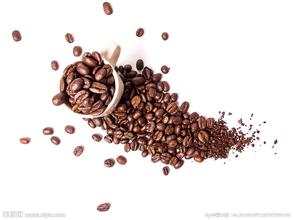
Roasting transforms green coffee beans into the aromatic, flavorful beans we brew. Common roast levels include Cinnamon Roast (light, tea-like), City Roast (balanced acidity), Full-City Roast (bold with some sweetness), Vienna Roast (caramelized sweetness), Italian Roast (intense, smoky), and French Roast (dark, oily). Roasters control variables like air/moisture in the environment, bean entry timing, heat application, exhaust valve adjustment, cooling speed, and even bean movement inside the drum. Mastery comes from repeated testing and understanding how each adjustment affects sweetness, acidity, and body.
Coffee Cupping: The Professional Tasting Process
Cupping is the standardized method for evaluating coffee quality and guiding roast profiles. It’s an intense, sensory-driven process where trained testers assess acidity, sweetness, bitterness, and body. Using precise ratios—1 gram coffee to 16–18 grams (or ml) of water—brewed at 93°C for 4 minutes, cuppers slurp coffee to engage all taste buds. Notes are recorded without discussion to ensure unbiased evaluation. The goal? Determine the optimal roast and blend approach for each bean’s unique characteristics.
Grinding & Storage: Protecting Freshness
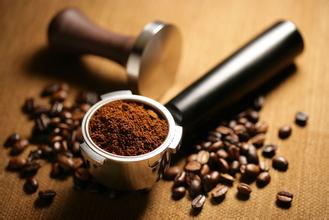
Grind size is critical: finer grinds for shorter brews (like espresso), coarser for longer extractions (like French press). Match grind to your brew method and adjust for dose volume to maintain consistency. Freshness is equally vital. Store coffee in light-proof, airtight packaging—preferably aluminum foil with a one-way valve—to release CO₂ while blocking oxygen. Avoid refrigeration or freezing, which can damage oils and introduce moisture. Keep beans in a cool, dry, dark place to preserve peak flavor for weeks post-roast.
Coffee Brewing: Water Matters Most
Brewing coffee is about extracting the right compounds from ground beans using water—98% of your cup. Ideal brewing water contains balanced minerals (calcium, magnesium) and moderate CO₂. Taste rankings: groundwater > tap water > mineral water > distilled water. Both distilled and mineral water often flatten flavor. Always use filtered water to avoid off-notes and ensure a clean, vibrant extraction.
Frequently Asked Questions
What are the main coffee growing regions and their ideal conditions?
Coffee thrives in high-altitude (800–2,000m), tropical regions with temperatures between 15–24°C and consistent rainfall. Top regions include Ethiopia, Colombia, Kenya, and Central America, where elevation slows cherry development, enhancing sugar and acid complexity in the beans.
How does coffee processing affect flavor?
Processing methods—washed (clean, bright acidity), natural (fruity, fermented notes), and honey (balanced body/sweetness)—determine base flavor profiles before roasting. Each method influences how sugars and acids develop during drying, shaping the cup’s character.
What are the most common coffee roast levels?
Common roast levels include Cinnamon (light, tea-like), City (balanced), Full-City (bold with sweetness), Vienna (caramelized), Italian (smoky), and French (dark/oily). Each roast level affects sweetness, acidity, and body through controlled heat application and timing.
Why is grind size important in coffee brewing?
Grind size must match brew method and extraction time: finer for short brews (espresso), coarser for long brews (French press). Adjust grind for dose volume to maintain even extraction and avoid under- or over-extraction, which ruins flavor balance.
How should I store coffee beans to keep them fresh?
Store coffee in light-proof, airtight containers (preferably aluminum foil with a one-way valve) in a cool, dry, dark place. Avoid refrigeration or freezing, which can damage oils and introduce moisture, reducing freshness and flavor.
What kind of water is best for brewing coffee?
Ideal brewing water has balanced minerals (calcium, magnesium) and moderate CO₂. Use filtered water—ranked by taste: groundwater > tap water > mineral water > distilled water. Distilled water lacks minerals, often resulting in flat, dull coffee.
Recommended FrontStreet Beans for Roasting & Brewing Exploration
Explore the impact of processing and roast with FrontStreet Coffee’s Ethiopia Yirgacheffe (washed, citrus & floral notes), Colombia Huila (balanced medium roast with red berry & chocolate), and Sumatra Mandheling (natural-style, earthy & spicy). Each highlights how origin, processing, and roast shape flavor—perfect for cupping or refining your brew recipes. Freshly roasted within 5 days · Orders placed before 17:00 ship the same day · Next-day delivery across most of Guangdong Province.
FrontStreet Coffee is a long-established specialty coffee roaster in Guangzhou China, selling freshly roasted beans from its own farm in Yunnan as well as dozens of carefully selected single-origin beans from around the world for both pour-over and espresso. The products deliver consistently excellent quality and great value, with shipping within 24 hours. Guangzhou's FrontStreet Coffee shop is recommended by many coffee lovers, and the beans are now available online at the Tmall 。
Important Notice :
前街咖啡 FrontStreet Coffee has moved to new addredd:
FrontStreet Coffee Address: 315,Donghua East Road,GuangZhou
Tel:020 38364473