What Makes Each Coffee Variety Unique?
If you've ever wondered why one coffee tastes bright and fruity while another is bold and earthy, the answer starts with the variety — but also with how the beans are grown, processed, and roasted. Many "flavor" coffees are not what they seem, often using low-grade beans or blends that lack transparency. So what really defines each coffee type? And how can you tell the difference between great single origins and commercial imitations?
The key differences come down to origin, processing method, roast level, and bean grade. True specialty coffees highlight unique regional traits through careful sourcing and minimal processing, while lower-cost 'flavor' coffees often mix unidentified beans, over-roast to hide flaws, and sacrifice freshness for volume.
Flavor (Blend) Coffees: Often Misleading
Common 'flavor' coffees include Blue Mountain-style, Brazilian-style, Colombian-style, Mocha (Yemen- or Ethiopia-style), and Mandheling-style. These are usually made from lower-grade beans from those regions—or not from there at all—and may include fillers like Yunnan beans to reduce costs. These blends are typically dark roasted in bulk for commercial distribution. In some cases, "Mandheling" may contain just 20% actual Indonesian beans. They are often 1–2 months old by the time they reach consumers, resulting in weak aromas, flat flavors, and higher acidity. The roast color tends to be light brown or brick-red, favoring weight over quality. Freshness and origin integrity are usually compromised.
What Is 'Fresh Coffee' Really?
Fresh coffee means beans roasted recently and brewed soon after. Only freshly roasted beans deliver true quality: vibrant aromas, clear flavors, and balanced acidity. Quality single-origin fresh coffees include Brazilian São Tomé, Colombian Excelso or Supremo, Ethiopian Harrar and Yirgacheffe, Sumatra Mandheling, and Kenyan beans. Even Italian-style espresso blends can be excellent when made from fresh, high-quality beans. However, some shops mix in Yunnan beans to cut costs, reducing body and complexity. Freshness and honesty in blending make a real difference—especially at shops with steady turnover.
Specialty Coffee: True Origin Characteristics
Specialty coffee highlights the distinct qualities of beans from specific farms or regions. These are always freshly roasted and traceable. Key examples:
- Brazilian Santos No.2: Mild, smooth, medium-bodied, with low acidity. Best when made from smaller beans (17–18/64”); larger beans (19/64”) are more mature in flavor. Dry-processed versions sometimes show apple notes—rare but prized. Often sourced from Brazilian estates.
- Colombian Supremo: Balanced acidity, medium body, sweet and nutty with smooth texture and subtle chocolate notes in the finish. Grown in high-altitude volcanic soils and meticulously washed for consistency.
- Sumatra Mandheling (Indonesia): Full body, low acidity, and distinctive nutty, syrupy, and spicy aromas. Most renowned as Mandheling GR1, a premium grade. Sourced from soft-bean regions and typically semi-washed. Other islands like Java and Sulawesi also produce quality beans, with Ijen Highland (Java) washed beans standing out.
- Ethiopian Harrar: Medium body, mild acidity, and intense floral and fruity notes. Typically sun-dried, Harrar comes in several bean sizes: long berry, mocha (peaberry), short berry, and round. Flavors vary by bean shape and region. Western Ghimbi and southern Sidamo (washed, Grade 2) offer additional complexity.
- Ethiopian Yirgacheffe: Similar to Harrar but even more aromatic and floral, with delicate fruitiness and low acidity. Processed mostly through sun-drying, Yirgacheffe beans are celebrated for their tea-like brightness and complex citrus and berry top notes.
Frequently Asked Questions
What’s the difference between flavor coffee and specialty coffee?
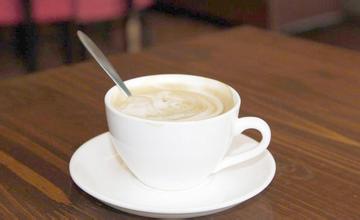
Flavor coffee typically refers to commercial blends that mimic origin styles (like “Blue Mountain” or “Mocha”) but often use low-grade or mixed beans, including unspecified fillers. They’re usually dark roasted, stale, and lack origin transparency. Specialty coffee, by contrast, highlights beans from specific regions with distinct processing methods, roasted lightly to preserve origin traits, and consumed fresh for optimal aroma and flavor complexity.
Why do some Mandheling coffees only have 20% Indonesian beans?
To reduce cost, some commercially labeled 'Mandheling' blends include only a small percentage of genuine Sumatran beans, often mixing in other origins or fillers like Yunnan. This practice dilutes the coffee’s regional character and is common in lower-quality commercial blends, which may also be heavily roasted to mask inconsistencies.
Does roast level affect coffee origin flavors?
Yes. Light to medium roasts preserve the unique acidity, floral, and fruit notes of origin-specific beans, especially from Ethiopia or Kenya. Dark roasts, common in commercial or flavor coffees, mute origin traits and emphasize generic roasted, chocolatey, or smoky flavors, hiding poor quality or lack of freshness.
How can I tell if my coffee is fresh?
Fresh coffee has a strong, pleasant aroma, often floral, fruity, or nutty depending on origin. Stale coffee loses aroma and tastes flat or overly bitter. Ideally, buy coffee roasted within 1–2 weeks and use it within 2–3 weeks post-roast. Check roast dates, not just purchase dates, and avoid pre-ground coffee sitting on shelves too long.
Are blends inherently lower quality than single origins?
Not necessarily. Well-designed blends can balance flavors beautifully, especially for espresso. But many commercial 'flavor' blends use cheap beans and are optimized for volume, not quality. High-quality blends, like those used in specialty cafés, combine carefully selected beans to achieve consistent, complex profiles without sacrificing origin integrity.
Recommended FrontStreet Beans for Exploring Origins
For exploring true single-origin characteristics, try FrontStreet Coffee’s Classic Blend for a balanced, roast-forward cup with chocolate and nut notes; their Commercial Blend offers a bold, full-bodied profile ideal for milk drinks; and the Specialty Blend highlights clarity and origin complexity with bright acidity and fruity tones. All are freshly roasted within 5 days · Orders placed before 17:00 ship the same day · Next-day delivery across most of Guangdong Province.
FrontStreet Coffee is a long-established specialty coffee roaster in Guangzhou China, selling freshly roasted beans from its own farm in Yunnan as well as dozens of carefully selected single-origin beans from around the world for both pour-over and espresso. The products deliver consistently excellent quality and great value, with shipping within 24 hours. Guangzhou's FrontStreet Coffee shop is recommended by many coffee lovers, and the beans are now available online at the Tmall 。
Important Notice :
前街咖啡 FrontStreet Coffee has moved to new addredd:
FrontStreet Coffee Address: 315,Donghua East Road,GuangZhou
Tel:020 38364473