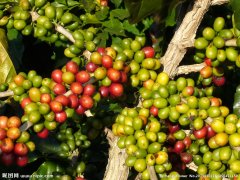
Kithungururu Cooperative’s Washed Kenyan Coffee Beans
If you’ve ever sipped a bright Kenyan cup and wondered how its signature lemony acidity and deep caramel notes come together so cleanly, the answer often starts with processing. Among East Africa’s most respected methods, the washed (or wet) process can highlight a coffee’s inherent fruitiness—when done right. But get the fermentation wrong, and you’re left with overripe sourness instead of clarity. The challenge isn’t just in removing the fruit, but doing it precisely.
The Kithungururu Cooperative in central Kenya produces some of the cleanest, most consistent washed Kenyan beans in the country. With 1200 active farmers and one of the cleanest wet mills around, it pays out 95% of earnings directly to growers—far above both government requirements and other co-op averages.
Where the Coffee Comes From
The Kithungururu Cooperative is located in Embu County, within Kenya’s Central Province. The members farm at elevations reaching 1650 meters above sea level, considered ideal for slow cherry maturation and complex acidity. The region’s red volcanic soils contribute structured minerality, supporting the development of the renowned Kenyan SL-28 and SL-34 varieties. Harvest takes place annually between September and December.
How the Coffee Is Processed
Kithungururu processes its cherries using the classic washed method. After depulping, the beans undergo fermentation in water, then are washed clean and dried on raised beds. This careful, multi-step method minimizes unwanted fermentation flavors while preserving the intrinsic fruit and citrus characteristics of the SL varieties. The target moisture level after drying is strictly maintained between 11% and 13%—critical for storage stability and flavor integrity. Under-drying risks mold; over-drying dulls sweetness and texture.
The raised bed drying method used here allows for even airflow and close monitoring of bean temperature and moisture. Workers regularly turn the parchment to ensure uniform drying. This level of hands-on control is a big reason why Kithungururu consistently produces such clean and vibrant cups.
What Makes These Beans Special
The cooperative primarily cultivates the SL-28 and SL-34 varieties—two of Kenya’s most prized coffee cultivars, developed by the Scott Laboratories in the 1930s. These beans are known for intense brightness and complex fruit profiles. The high-altitude environment slows ripening, allowing sugars and acids to develop fully. Combined with red volcanic soil, these factors contribute to the coffee’s vivid flavor spectrum.
The result is an AA-grade coffee with a vibrant cup profile: think dried lemon acidity alongside caramel sweetness. Notes of green apple, dried plum, and toasty caramel run throughout, framed by a delicate, clean mouthfeel and layered complexity. It’s the sort of cup that highlights what makes Kenyan coffee so distinctive—not just fruity, but precisely expressive.
Frequently Asked Questions
What processing method does Kithungururu Cooperative use?
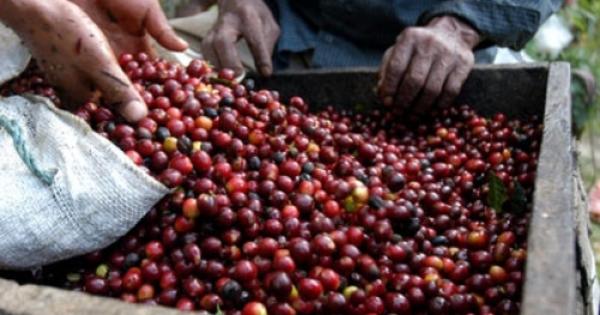
Kithungururu Cooperative uses the washed (wet) processing method. Cherries are depulped, fermented in water, washed, and then dried on raised beds to a strict moisture content of 11–13%.
What coffee varieties are grown by Kithungururu?
The cooperative primarily grows SL-28 and SL-34, two classic Kenyan coffee varieties known for their high acidity, complex fruit flavors, and suitability for high-altitude growing conditions.
Where is the Kithungururu Cooperative located?
Kithungururu Cooperative is located in Embu County, in Kenya’s Central Province, at an elevation of around 1650 meters above sea level.
When is the harvest season for Kithungururu coffee?
The harvest season runs annually from September to December, during which ripe cherries are picked and processed for export-grade coffee.
What is special about the Kithungururu payment model?
Kithungururu pays 95% of the coffee’s final earnings directly to farmers, significantly higher than the 80% required by Kenyan law and more generous than most other cooperatives.
What does AA grade mean in Kenyan coffee?
AA is Kenya’s highest coffee grade, indicating large bean size, high density, and typically exceptional cup quality—often associated with bright acidity and complex flavors.
FrontStreet Kenyan Coffees with SL-28 & SL-34
FrontStreet Coffee’s Kenya Little Tomato combines the famed SL28 and SL34 varieties using a double-washed process and light roast, showcasing intense notes of tomato, pear, blackcurrant, dark plum, and brown sugar. The washed Kenyan processing enhances a juicy body and layered acidity—perfect for filter or pour-over. Freshly roasted within 5 days · Orders placed before 17:00 ship the same day · Next-day delivery across most of Guangdong Province.
FrontStreet Coffee is a long-established specialty coffee roaster in Guangzhou China, selling freshly roasted beans from its own farm in Yunnan as well as dozens of carefully selected single-origin beans from around the world for both pour-over and espresso. The products deliver consistently excellent quality and great value, with shipping within 24 hours. Guangzhou's FrontStreet Coffee shop is recommended by many coffee lovers, and the beans are now available online at the Tmall 。
Important Notice :
前街咖啡 FrontStreet Coffee has moved to new addredd:
FrontStreet Coffee Address: 315,Donghua East Road,GuangZhou
Tel:020 38364473