What Are China’s Main Coffee Bean Types and How Do They Taste?
When coffee lovers hear "Chinese coffee beans," they often wonder: are we really talking about beans grown inside China—or just those commonly grouped under that label, like Jamaican Blue Mountain or Colombian Supremo? The truth is, many so-called 'Chinese' coffees aren’t grown in the PRC at all, but come from well-known global origins. So what do these beans actually taste like, and what makes each one unique?
In short, the most discussed 'Chinese coffee beans' include globally recognized origins like Jamaica Blue Mountain, Brazil, Colombia, Ethiopia (Mandheling and Yirgacheffe), and others—but none are literally 'from China' except Yunnan. Each origin delivers distinct flavors: Brazil offers balance, Colombia brings fruitiness, and Mandheling is bold and syrupy. Yunnan, China’s own growing region, produces bright, clean, and balanced small beans ideal for exploring domestic terroir.
Understanding 'Chinese Coffee Beans': What Does the Term Really Mean?
The phrase 'Chinese coffee beans' is misleading. With the exception of Yunnan-grown beans, most so-called 'Chinese' coffees actually come from international origins such as Jamaica, Brazil, Colombia, Ethiopia, and Indonesia. These beans are widely traded and often used as benchmarks in the specialty coffee world. They’re commonly grouped under the 'Chinese coffee beans' label in Chinese media—but geographically, only Yunnan coffee is truly from within China.
Global Coffee Origins Commonly Labeled 'Chinese' and Their Flavor Profiles
Here’s a breakdown of the most frequently cited 'Chinese coffee beans,' their actual origins, and how they taste:
- Jamaica Blue Mountain: Grown in Jamaica. Known for a perfect balance of acidity, sweetness, bitterness, and body. It has a rich aroma, lasting fruity notes, and an elegant, smooth profile. It’s among the most expensive, selling for thousands per pound—but no authentic Blue Mountain has ever been officially exported to China.
- Brazil: Offers a wide variety of profiles, most with moderate acidity. Its flavor is balanced between sweet, bitter, and body, with a smooth, medium concentration. It’s considered a foundational bean and excellent for blending.
- Colombia: Delivers sweet, aromatic notes when roasted. It features a good balance of mild acidity, medium bitterness, and medium body, along with persistent fruity aromas. The cup is nutritionally rich and often exhibits nutty undertones.
- Mandheling (Indonesia): From Sumatra. These beans are full-bodied with intense fragrance, heavy bitterness, and a syrupy mouthfeel. The acidity is low, but there’s a notable sweetness and chocolatey richness. It’s a favorite in Germany and often used in espresso blends.
- Italian-style Coffee: Not an origin, but a style—known for strong bitterness and thick crema. The crema is key to its bold flavor profile. Suited for those who prefer intense taste experiences.
- Java (Indonesia): From Java Island. The beans are full, with a spicy edge, low acidity, and a smooth, well-balanced cup. It’s considered a refined, aromatic coffee.
- Costa Rica: Renowned for high quality. It’s smooth, bright, and high-grade, with a compelling aroma.
- Guatemala: Grown in the volcanic soil of Antigua. It’s famous for its soft, mellow body, subtle fruitiness, and a touch of smokiness. Experts often rank it as the best in Central America.
- Mocha (Ethiopia): Small beans with intense aroma. It features strong acidity, wine-like tones, spice, balanced sweetness, and a unique profile. Typically enjoyed as a single origin.
- Kona (Hawaii): Grown only on volcanic slopes. Rare and prized, it has a rich, mellow flavor with a hint of wine. Top-grade Kona offers balanced acidity and a unique creamy texture. Increasingly scarce and priced similarly to Blue Mountain.
What About Yunnan? China’s Own Coffee Origin
While the list above refers to global imports, China does grow its own specialty coffee—in Yunnan Province. Located in the world’s ‘coffee belt’ (between 25°N and 25°S), Yunnan offers ideal conditions: elevations of 1,000–2,000 meters, volcanic soils, distinct diurnal temperature shifts, and consistent sunlight. The region’s coffee is known as 'Yunnan Arabica' or 'Yunnan small beans.'
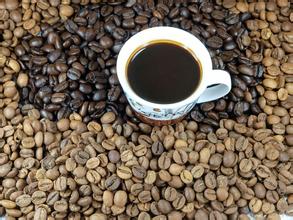
Yunnan coffee is celebrated for its uniform, plump beans and balanced cup. The flagship variety, Typica, was first introduced in 1904 by a French missionary in Zhucula Village, Binchuan County. Today, Yunnan’s key growing areas include Baoshan, Dehong, Pu'er, and Lincang. Among these, Baoshan’s Luguang Basin benefits from a stable, dry heat that enhances sweetness and creates pronounced aftertaste—making it an excellent entry point for exploring domestic coffee.
For example, the FrontStreet Coffee Yunnan small bean is washed and medium roasted to highlight both caramel notes and subtle fruit acidity, reflecting the region’s terroir. For a brighter, fruit-forward profile, try the FrontStreet 2013 Yunnan Typica, a sun-dried lot from 2013 that showcases citrus, berry, and creamy sweetness with a heavier mouthfeel. Both are excellent starting points for discovering what homegrown Chinese specialty coffee really tastes like.
Frequently Asked Questions
Are there any coffee beans actually grown in China?
Yes—Yunnan Province is China’s only significant coffee-growing region. Located within the global coffee belt, Yunnan produces high-quality Arabica beans, mainly Typica and Catimor varieties, with distinct regional profiles influenced by elevation, climate, and processing methods.
What is Yunnan coffee known for?
Yunnan coffee is known for its balanced flavor, medium body, and clean cup. It often displays notes of caramel, citrus, stone fruit, and mild sweetness. The region’s high altitude and volcanic soils contribute to its clarity and complexity.
Is Jamaican Blue Mountain coffee really unavailable in China?
Yes. Authentic Jamaica Blue Mountain coffee has never been officially exported to China. Despite its fame and high price (thousands per pound), no verified Blue Mountain beans are available domestically.
What makes Colombian coffee different from Brazilian coffee?
Colombian coffee typically has bright, sweet fruitiness with mild acidity and a medium body, often with nutty undertones. Brazilian coffee is generally more balanced and neutral, with lower acidity and a smoother, medium concentration—making it a common base for blends.
What Yunnan coffee should I try first?
Beginners should try a washed Yunnan small bean with medium roast (like those from FrontStreet Coffee) to experience balanced fruit and caramel notes. For more distinct flavor, try a sun-dried Typica lot to taste brighter acidity and deeper sweetness.
Is Indonesian Mandheling coffee really that bitter?
Mandheling is known for its heavy body, low acidity, and strong bitterness—but it also has a smooth, syrupy mouthfeel and notes of chocolate. The perceived bitterness is balanced by sweetness, making it a favorite for espresso blends.
Recommended FrontStreet Beans for Exploring Yunnan Coffee
Try the FrontStreet Yunnan small bean, washed and medium roasted to highlight caramel sweetness with subtle fruit acidity—ideal for tasting Yunnan’s terroir. For more vibrant notes, the 2013 Yunnan Typica is sun-dried, offering bold citrus, berry, and creamy sweetness with a heavier body. Both beans reflect the clean, balanced profile of China’s domestic specialty coffee. Freshly roasted within 5 days · Orders placed before 17:00 ship the same day · Next-day delivery across most of Guangdong Province.
FrontStreet Coffee is a long-established specialty coffee roaster in Guangzhou China, selling freshly roasted beans from its own farm in Yunnan as well as dozens of carefully selected single-origin beans from around the world for both pour-over and espresso. The products deliver consistently excellent quality and great value, with shipping within 24 hours. Guangzhou's FrontStreet Coffee shop is recommended by many coffee lovers, and the beans are now available online at the Tmall 。
Important Notice :
前街咖啡 FrontStreet Coffee has moved to new addredd:
FrontStreet Coffee Address: 315,Donghua East Road,GuangZhou
Tel:020 38364473