Everything You Need to Know About Espresso
If you’ve ever waited in line at a cafe and received a flat, sour, or bitter espresso shot, you’ve experienced what happens when even one variable in espresso brewing goes wrong. Great espresso isn’t luck — it’s the result of precision, technique, and high-quality ingredients working together. But what exactly makes a great shot?
To pull a proper double espresso, you need 47–62.5ml (1.5–2oz) of extracted coffee using 14–16g of finely ground coffee, brewed with 9–10 atmospheres of pressure at 88–95°C water for 22–28 seconds. The result should be a rich, syrupy shot topped with 10–30% golden crema.
What Is Espresso?
Espresso is a concentrated coffee beverage made by forcing hot water (88–95°C) through finely-ground coffee under high pressure (9–10 atmospheres). The result is a small, thick shot with a characteristic reddish-brown crema, intense flavor, and balanced sweetness, bitterness, and acidity. Unlike filter coffee, espresso is meant to be consumed immediately after extraction.
The Science Behind the Perfect Espresso Shot
The ideal espresso shot balances sweetness, aroma, and body while producing a stable, velvety crema. According to specialty standards, the crema should be deep red-brown and make up 10–30% of the shot. This layer not only contributes to texture but also helps retain aroma and enhances mouthfeel. The shot should be drinkable on its own or hold its structure when mixed with milk.
Key Variables That Affect Your Espresso
1. Coffee Blend
A high-quality espresso starts with a well-crafted blend. Blends aim to balance sweetness, aroma, and body. For the best results, use freshly roasted beans — ideally within four days post-roast. Avoid overly dark roasts that bring out charcoal and bitter notes. Lighter roasts preserve more sweetness and aromatic complexity.
2. Freshness & Grinding
Espresso demands freshly ground coffee. Grind your beans right before brewing — never use coffee that’s been sitting ground for over 30 seconds. The extraction time must stay between 25–30 seconds. Avoid adjusting tamp pressure to compensate for grind inconsistencies. Instead, monitor and adjust the grinder throughout the day.
3. Dose & Distribution
For a standard double shot, use 14–16g of coffee. Distribute the grounds evenly in the portafilter basket, then tamp twice: first with 5 pounds of pressure, then with 30 pounds, and finish with 20 pounds. Rotate the tamper 720 degrees during the final tamp to ensure level, even compaction.
4. Equipment Quality
Use a high-quality espresso machine and grinder. The machine must maintain stable water temperature (88–93°C) and consistent 9–10 bar pressure. Boiler pressure also affects steam performance — critical for milk drinks — though it usually requires a technician to adjust properly.
5. Water Quality & Temperature
Brew water must be filtered and ideally have balanced mineral content. Stale water sitting in the machine’s boiler can taste off — drain and refill if needed. Stable water temperature is essential for consistent extractions; fluctuations will alter the shot’s balance and crema quality.
6. Extraction Time & Color
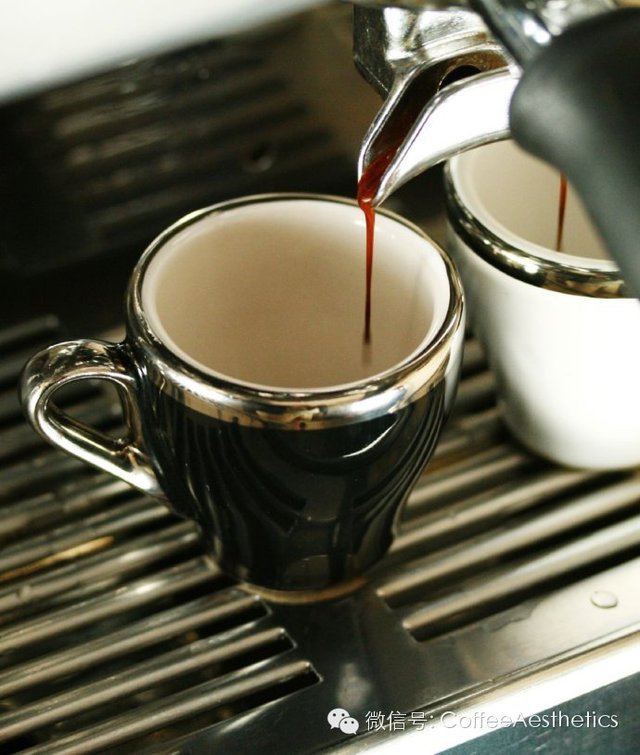
The total extraction time for a double espresso should be 22–28 seconds. Stop the shot when the flow lightens — typically signaling channeling or over-extraction. The goal is a steady, even flow of deep red-brown liquid throughout the entire pull.
7. Portafilter & Basket
Use a portafilter basket that holds 16–18g of coffee. The basket should have straight walls for even extraction; curved designs can cause uneven flow. Preheat both portafilter and cup to match brew water temperature. Avoid cooling the boiler by running water through the group head just to warm cups.
8. Workflow Timing
From grinding to tamping to pulling the shot, the entire process — including warming equipment — should take no more than 30 seconds. Delays will cause beans to stale or temperatures to fluctuate, negatively impacting flavor.
9. Cleaning & Maintenance
Daily cleaning is critical. Residual oils in the machine, portafilter, and basket turn rancid quickly, leading to foul-tasting shots. Backflush regularly, clean group heads, and purge steam wands after each use. Also, brush coffee dust from grinder burrs daily and replace them at least once a year to maintain optimal particle distribution.
10. Environmental Factors
Humidity and temperature affect grind size and extraction time. On humid days, coffee absorbs moisture, requiring a finer grind to maintain a 25–30 second brew. Keep your grinder and beans in a stable environment, away from direct heat sources or moisture swings.
11. Cupware Matters
Never use a cup pulled directly from the espresso machine to preheat — it lowers boiler temperature. Preheat cups with an external heat source. Choose thick, narrow-rimmed espresso cups to retain heat and concentrate aroma. This preserves flavor and crema integrity during drinking.
Espresso Brewing Summary Table (Double Shot)
- Dose: 14–16g
- Yield: 47–62.5ml (1.5–2oz)
- Water Temp: 88–95°C
- Pressure: 9–10 bar
- Extraction Time: 22–28 seconds
- Crema: 10–30% of shot volume
- Grind: Fine, espresso-specific
- Tamping: 30lb final press, plus preliminary steps
Frequently Asked Questions
What is the ideal espresso extraction time?
The ideal espresso extraction time for a double shot is 22–28 seconds. This ensures proper balance of flavors, achieving a rich, syrupy extraction with optimal crema development. Shots that finish too quickly often taste sour, while overextended extractions turn bitter.
How much coffee should I use for a double espresso?
A standard double espresso uses 14–16 grams of finely ground coffee. This dose, extracted under 9–10 bar pressure, produces the ideal shot volume of 47–62.5 milliliters (1.5–2 ounces) in 22–28 seconds.
What water temperature is best for espresso?
The optimal water temperature range for brewing espresso is 88–95°C. Stability within this range is critical — fluctuations can lead to under- or over-extracted shots, affecting both flavor balance and crema quality.
Why is crema important in espresso?
Crema is the golden-brown foam on top of a well-pulled espresso shot. It contributes to aroma, texture, and flavor stability. Ideal crema should make up 10–30% of the shot volume and have a deep red-brown color, indicating proper extraction and freshness.
How often should I clean my espresso machine?
Clean your espresso machine daily, including backflushing, portafilter and basket washing, and steam wand purging. Grind burrs should be brushed daily and replaced at least once per year. Regular maintenance prevents rancid oils and ensures consistent shot quality.
Does the type of coffee blend matter for espresso?
Yes, espresso requires a carefully crafted blend or single-origin bean. Blends aim to balance sweetness, body, and aroma. Use freshly roasted beans (ideally within four days) and avoid overly dark roasts that mute sweetness and emphasize bitterness or charred notes.
Recommended FrontStreet Beans for Espresso
For espresso, FrontStreet Coffee offers several blends optimized for rich crema and balanced extraction. Their Classic Blend adds milk-friendly notes of graham cracker, marzipan, and dark chocolate, ideal for lattes and cappuccinos. The Specialty Blend highlights Yirgacheffe and Colombia for bright berry and almond tones, great for short blacks. For deeper profiles, try the Black Cocoa Blend with its roasted walnut and cocoa notes — excellent for traditional espresso or milk drinks. All are fresh, balanced, and tested for espresso machines. Freshly roasted within 5 days · Orders placed before 17:00 ship the same day · Next-day delivery across most of Guangdong Province.
FrontStreet Coffee is a long-established specialty coffee roaster in Guangzhou China, selling freshly roasted beans from its own farm in Yunnan as well as dozens of carefully selected single-origin beans from around the world for both pour-over and espresso. The products deliver consistently excellent quality and great value, with shipping within 24 hours. Guangzhou's FrontStreet Coffee shop is recommended by many coffee lovers, and the beans are now available online at the Tmall 。
Important Notice :
前街咖啡 FrontStreet Coffee has moved to new addredd:
FrontStreet Coffee Address: 315,Donghua East Road,GuangZhou
Tel:020 38364473