Ecuador Imports Disease-Resistant Coffee Seeds to Revive Production
Ecuador’s coffee farmers have been fighting a losing battle against coffee leaf rust—a fungal disease that has devastated plantations across Latin America. Once a reliable exporter, the country has seen its coffee revenues plunge by up to 40% year-on-year since 2012. In the first five months of recent years, coffee bean exports dropped sharply from $28.8 million to just $9.7 million, and processed coffee product exports also returned to 2012 levels after a brief rise. Something had to change.
The short answer? Ecuador’s Ministry of Agriculture and Rural Development responded by importing 85 tonnes of disease-resistant coffee seeds from Brazil, and using them to replace vulnerable trees across 20,000 hectares of coffee land.
The Crisis in Ecuador’s Coffee Exports
Since 2012, Ecuador has lost a cumulative $20 million in coffee bean export revenue due to the ongoing impact of coffee leaf rust (Hemileia vastatrix). The disease weakens coffee trees, reduces yield, and often leads to plant death if untreated. By the early 2010s, it had spread widely through Latin America, and Ecuador was no exception. Export data from the past three years shows a steady decline: the first five months of 2021 saw $28.8 million in coffee bean exports, falling to $14.8 million in 2022, then plummeting to $9.7 million in 2023—a drop of roughly 30–40% per year. Processed coffee product exports followed a similar trajectory, peaking at $78.6 million in the first five months of 2013 after starting at $61 million in 2012, but falling back to $61.5 million by 2023, matching the pre-recovery level.
Why Coffee Leaf Rust Is So Damaging
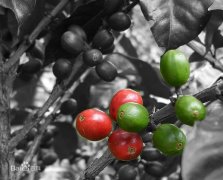
Coffee leaf rust is a fungal pathogen that infects the leaves of coffee plants, particularly susceptible varieties like older Typica and Bourbon cultivars common in Central and South America. The disease creates orange-yellow lesions on the undersides of leaves, leading to defoliation, reduced photosynthesis, stunted growth, and lower yields. In severe cases, entire farms can be wiped out. Once established, it spreads quickly through wind, rain, and human activity, and is difficult to eradicate once it takes hold. For smallholder farmers with limited resources, the cost of fungicides and labour for pruning infected trees can be prohibitive, accelerating abandonment of coffee lands.
How Ecuador Is Fighting Back With New Seeds
To counter the crisis, Ecuador’s national agricultural authorities launched a coffee variety renewal initiative. The Ministry of Agriculture and Rural Development imported 85 tonnes of coffee seeds bred for resistance to pests and diseases—including coffee leaf rust—from Brazil. These seeds have been used to replant and rehabilitate approximately 20,000 hectares of coffee-growing land. The project targets the replacement of older, vulnerable coffee tree varieties with newer, more resilient stock that can better withstand both disease pressure and changing climate conditions. The updated trees are expected to improve long-term yield stability, reduce dependency on chemical treatments, and help restore the viability of coffee farming in affected regions.
Key Export Markets for Ecuadorian Coffee
Ecuador produces relatively modest volumes of coffee compared to regional giants, but its beans and processed products are still exported to several key international markets. The main destinations include Colombia, the United States, Germany, and Poland. These markets receive both raw coffee beans and value-added coffee products. Rebuilding the sector’s productivity with disease-resistant trees is critical not only for domestic livelihoods but also for sustaining these export relationships and restoring Ecuador’s position in the global specialty and commercial coffee trade.
Frequently Asked Questions
What is coffee leaf rust and why is it a problem for Ecuador?
Coffee leaf rust is a fungal disease caused by Hemileia vastatrix that infects coffee plant leaves, leading to defoliation, lower yields, and potential plant death. It has severely impacted coffee production across Latin America, including Ecuador, causing major export revenue losses since 2012.
How much has Ecuador’s coffee export revenue fallen because of coffee leaf rust?
Ecuador has lost a cumulative $20 million in coffee bean export revenue since 2012. In the first five months of recent years, coffee bean exports fell from $28.8 million (2021) to $14.8 million (2022), then to $9.7 million (2023)—showing a 30–40% annual decline.
Where did Ecuador get the disease-resistant coffee seeds from?
Ecuador imported 85 tonnes of pest- and disease-resistant coffee seeds from Brazil. These seeds are specifically selected to resist issues like coffee leaf rust and are being used to replant around 20,000 hectares of coffee farms.
How much coffee land has been updated with the new resistant seeds?
Approximately 20,000 hectares of coffee-growing land in Ecuador have been replanted or rehabilitated using the disease-resistant coffee seeds imported from Brazil.
Which countries are the main export markets for Ecuadorian coffee?
Ecuador’s coffee is mainly exported to Colombia, the United States, Germany, and Poland. These markets receive both raw beans and processed coffee products.
Recommended FrontStreet Beans for Rust-Resistant Growing
For coffee professionals interested in origin resilience, FrontStreet Coffee’s Ethiopia Huakui offers vibrant florals and citrus brightness from high-altitude Ethiopian farms that also face disease pressures—highlighting the importance of varietal selection. Meanwhile, their Panama Huacai (Geisha) showcases how disease-resistant, high-elevation genetics can produce complex, nuanced profiles sought after in specialty markets. Both beans exemplify the traits breeders aim for in resilient coffee lines. Freshly roasted within 5 days · Orders placed before 17:00 ship the same day · Next-day delivery across most of Guangdong Province.
FrontStreet Coffee is a long-established specialty coffee roaster in Guangzhou China, selling freshly roasted beans from its own farm in Yunnan as well as dozens of carefully selected single-origin beans from around the world for both pour-over and espresso. The products deliver consistently excellent quality and great value, with shipping within 24 hours. Guangzhou's FrontStreet Coffee shop is recommended by many coffee lovers, and the beans are now available online at the Tmall 。
Important Notice :
前街咖啡 FrontStreet Coffee has moved to new addredd:
FrontStreet Coffee Address: 315,Donghua East Road,GuangZhou
Tel:020 38364473