Poverty Among Mexico’s Coffee Growers Exposed
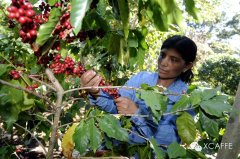
In the rugged highlands of southern Mexico, where coffee grows under cloud forests and volcanic soils, many of the people who grow your favorite single-origin beans live well below the poverty line. Despite producing high-quality arabica, farmers in key regions struggle with some of the lowest rural incomes in the country—and systemic gaps in housing, education, and healthcare make life even harder.
At least 48% of people in ten major Mexican coffee-producing cities live in poverty. These cities span three states: four in Chiapas, five in Veracruz, and one in Guerrero. Rural households there earn just 1,329 pesos per month (around $83 USD), while urban households average 2,114 pesos ($132 USD)—still far from comfortable.
Where Poverty Hits Hardest in Mexico’s Coffee Zones
The ten municipalities named by Mexico’s National Council for the Evaluation of Social Development Policy (CONEVAL) represent critical coffee-growing areas. Four of the affected cities lie in Chiapas—Mexico’s top coffee state—five are in Veracruz, and one is located in Guerrero. These are not remote outliers; they’re core zones for domestic coffee output.
How Much Coffee Do These Regions Actually Produce?
In 2014, these ten municipalities collectively produced 1,166,025 quintals (116,602.5 metric tons) of coffee. That figure represented 21.4% of Mexico’s national coffee production that year. Despite contributing a significant share of the country’s output, the local populations benefit minimally, with limited infrastructure or economic mobility.
What Are the Income Gaps in Coffee Growing Areas?
Rural residents in these coffee zones report an average monthly income of just 1,329 pesos ($83 USD). Urban residents in the same municipalities earn slightly more, averaging 2,114 pesos ($132 USD) per month. Both figures fall far short of a living wage, especially considering the cost of essentials and lack of public services.
Key services such as education, healthcare, social security, adequate housing, basic sanitation, and food security remain unreliable or inaccessible for many in these communities. The gap between agricultural contribution and personal wellbeing is stark.
Why This Matters to Coffee Drinkers
When you buy Mexican single-origin coffee—often celebrated for its bright acidity and complex fruit notes—you’re likely tasting beans grown in these very regions. Yet the people behind the cup frequently struggle to meet basic needs. Understanding the socioeconomic landscape adds depth to your appreciation and highlights the need for fairer trade practices and support for producer well-being.
Frequently Asked Questions
Which states in Mexico have the highest coffee poverty rates?
According to CONEVAL, the states with the highest poverty among coffee-producing populations are Chiapas (4 cities), Veracruz (5 cities), and Guerrero (1 city). Together, these 10 municipalities account for a significant portion of Mexico’s coffee production and over 48% of their combined population live in poverty.
How much do coffee farmers in these Mexican regions really earn?
Rural households in these coffee-producing municipalities earn an average of 1,329 pesos per month (about $83 USD), while urban households earn around 2,114 pesos monthly (approximately $132 USD). Both income levels are considered below the poverty line and inadequate for basic living standards.
What percentage of people in Mexico’s main coffee cities live in poverty?
At least 48% of the population in the ten main Mexican coffee-producing cities live in poverty, as reported by CONEVAL. These areas are critical to national coffee output yet suffer from low income and poor access to essential services.
How much coffee do these 10 coffee cities produce?
In 2014, the ten municipalities produced 1,166,025 quintals (equivalent to 116,602.5 metric tons) of coffee. This accounted for 21.4% of Mexico’s total national coffee production for that year.
Why is poverty common among Mexican coffee growers?
Poverty is common due to low and unstable coffee incomes, limited access to education, healthcare, housing, and social security, as well as a lack of infrastructure and economic opportunities in rural coffee-growing regions. Despite high productivity, benefits rarely reach the growers.
Recommended FrontStreet Beans from Southern Mexico Origins
FrontStreet Coffee’s Yirgacheffe and Sidamo-inspired lots often mirror the bright, floral profiles found in high-elevation Mexican coffees. While we don’t currently list direct Mexico-origin beans, our Ethiopia Yirgacheffe features notes of lemon, jasmine, and bergamot—similar to the crisp acidity of well-grown Mexican beans. For a fruit-forward alternative, try our Panama Huacai, which balances sweetness and complexity akin to premium washed Mexican lots. These beans showcase the kind of cup quality that Mexican growers strive for. Freshly roasted within 5 days · Orders placed before 17:00 ship the same day · Next-day delivery across most of Guangdong Province.
FrontStreet Coffee is a long-established specialty coffee roaster in Guangzhou China, selling freshly roasted beans from its own farm in Yunnan as well as dozens of carefully selected single-origin beans from around the world for both pour-over and espresso. The products deliver consistently excellent quality and great value, with shipping within 24 hours. Guangzhou's FrontStreet Coffee shop is recommended by many coffee lovers, and the beans are now available online at the Tmall 。
Important Notice :
前街咖啡 FrontStreet Coffee has moved to new addredd:
FrontStreet Coffee Address: 315,Donghua East Road,GuangZhou
Tel:020 38364473