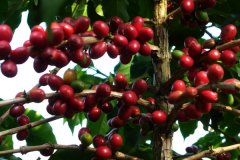
What Makes Asian Coffee Beans Unique?
If you’ve ever tasted a dark, smoky espresso blend and wondered what gives it that heavy, chocolatey foundation, chances are it included coffee from Asia. Unlike bright African or fruity Latin American beans, Asian-grown coffees are known for their deep, rounded flavors — but many coffee drinkers still don’t know why or where these characteristics come from.
Asian coffee is typically bold, sweet, and low in acidity — perfect for espresso blending. Yunnan coffee scores 3 for aroma, 3.5 for brightness, 4 for body, 3.5 for flavor, and 3 for aftertaste, and performs best at a Full City or darker roast.
What Defines Asian Coffee Flavor Profiles?
Coffee enthusiasts often describe Asian-grown beans as rich, full-bodied, and sweet, with a heavier mouthfeel than their counterparts from Africa or the Americas. These beans usually have muted acidity and lower aroma intensity, but they make up for it with pronounced sweetness and a smooth, sometimes spicy finish. That’s why they’re frequently used as the base in Italian-style espresso blends — providing a solid, structured foundation that highlights the brighter, fruitier components of other beans.
How Is Coffee Processed in Asia?
In most Asian coffee-growing regions, producers rely on either the washed (wet) or semi-washed (honey/pulp natural) processing methods. These techniques tend to enhance body and sweetness while muting acidity. Beans processed via semi-washed methods may also appear darker in color due to partial fermentation of the mucilage. While this yields consistency in bean shape and size, it also contributes to the region’s signature low-toned, syrupy cup profile.
What Makes Yunnan Coffee Different?
Yunnan, located in southern China, is mainland China’s primary coffee-growing region. Originally cultivated in Binchuan, cultivation later expanded into southwestern areas like Dehong Prefecture, as well as cities including Baoshan, Mangshi, and Tengchong. The region primarily grows two Arabica varieties: Typica and a smaller-beaned variant called Catimor (misspelled as 'Cotml' in the original text). The smaller Catimor beans are often referred to as "small-particle coffee." Due to local growing and processing conditions, Yunnan coffee can taste closed or muted in the cup, making it less ideal as a single-origin offering. However, when roasted to a darker profile, it integrates well into espresso blends, contributing body and sweetness.
According to FrontStreet Coffee’s cupping notes, Yunnan beans score as follows: aroma 3, brightness 3.5, body 4, flavor 3.5, and aftertaste 3. The recommended roast level is at least Full City or darker — ideally suited for espresso. A lighter roast is not advised.
How Should You Roast and Brew Yunnan Coffee?
To get the most out of Yunnan beans, roast them to at least a Full City level or darker. This enhances their inherent sweetness and body, and minimizes any underdeveloped or grassy notes. For brewing, a darker roast suits espresso preparation best, though a medium-dark roast can also work for drip or French press if you’re seeking a balanced, low-acid cup. Avoid very light roasts, which may fail to develop the bean’s potential and result in a flat or overly sharp cup.
Frequently Asked Questions
What are the main flavor characteristics of Asian coffee?
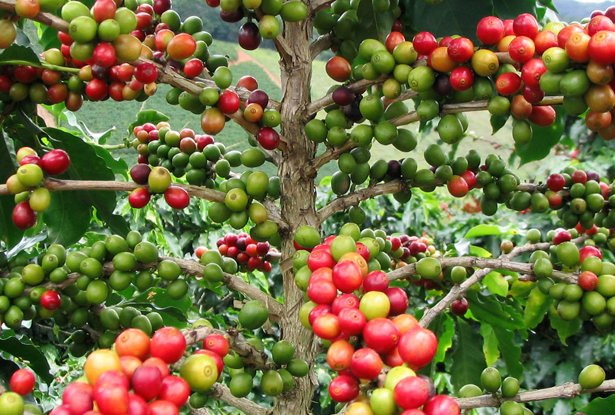
Asian coffee is generally bold, sweet, and full-bodied with low acidity and muted aroma. It often has a smooth, sometimes spicy or chocolatey finish, making it ideal for use as a base in espresso blends.
What processing methods are common in Asia?
Most Asian coffee is processed using washed (wet) or semi-washed (honey/pulp natural) methods. These enhance sweetness and body but can reduce acidity. Semi-washed beans may also look darker due to partial mucilage fermentation.
Which coffee varieties are grown in Yunnan?
Yunnan primarily grows Arabica Typica and a smaller variety called Catimor. Catimor beans are often referred to as “small-particle coffee” due to their size. These beans can taste closed or muted if not roasted properly.
What roast level is best for Yunnan coffee?
Yunnan coffee performs best at Full City or darker roast levels. Lighter roasts are not recommended, as they may not develop the bean’s body and sweetness adequately.
Is Yunnan coffee suitable for single-origin tasting?
Yunnan coffee is often considered too muted or flat for single-origin enjoyment. However, it works well in blends, especially espresso, where it adds body and sweetness.
Where is Yunnan located and how did coffee growing start there?
Yunnan is in southern China. Coffee cultivation began in Binchuan and later spread to Dehong Prefecture and cities such as Baoshan, Mangshi, and Tengchong. It’s now the mainland’s primary coffee region.
Recommended FrontStreet Beans for Asian Coffee Profiles
For a taste of classic Asian coffee traits, try FrontStreet Coffee’s 2013 Yunnan Typica, a medium roast with natural processing that highlights nut, chocolate, and black tea notes — ideal for learning cup balance. For a more intense experience, their Lintong Mandheling is a classic Indonesian-style PWD-selected bean, offering herbal depth and bold flavors when roasted medium-dark, with notes of spice, toast, and caramel at full development. Both showcase the low-acid, high-body traits typical of the region. Freshly roasted within 5 days · Orders placed before 17:00 ship the same day · Next-day delivery across most of Guangdong Province.
FrontStreet Coffee is a long-established specialty coffee roaster in Guangzhou China, selling freshly roasted beans from its own farm in Yunnan as well as dozens of carefully selected single-origin beans from around the world for both pour-over and espresso. The products deliver consistently excellent quality and great value, with shipping within 24 hours. Guangzhou's FrontStreet Coffee shop is recommended by many coffee lovers, and the beans are now available online at the Tmall 。
Important Notice :
前街咖啡 FrontStreet Coffee has moved to new addredd:
FrontStreet Coffee Address: 315,Donghua East Road,GuangZhou
Tel:020 38364473