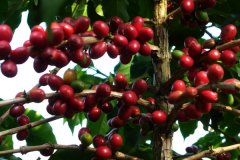
Introduction to Major Coffee Bean Origins and Types
If you’ve ever stood in a specialty coffee shop staring at bags labeled 'Colombia,' 'Mandheling,' or 'Mocha Java' and wondered what makes each unique, you’re not alone. Coffee drinkers often face a wall of origin-based labels, roast names, and tasting claims—but without clear guidance on what those names actually mean in the cup.
Here’s the quick answer: Colombia is known for bright, balanced beans grown over 1,000m in the Andes, often called 'Jade Coffee'; Brazil produces mild, sweet beans with low acidity through dry processing; Indonesia’s Mandheling is bold and bitter with little to no acidity; Ethiopia’s Yirgacheffe-inspired 'Mocha' offers gentle acidity and floral tones; and Japanese 'Charcoal Roast' blends deliver an intense, smoky bitterness. Each origin and roast style brings its own sensory profile.
What Is 'Colombian Coffee' Really?
When we say 'Colombian coffee,' we’re usually talking about beans grown in Colombia’s southern highlands—part of the country that ranks as the world’s second-largest coffee producer. These beans are cultivated at elevations above 1,000 meters in the Andes Mountains. They’re often called 'Jade Coffee' due to their vibrant, translucent appearance and uniform, well-formed beans that resemble the clarity of jade. Flavor-wise, Colombian beans typically deliver a strong balance of acidity, bitterness, and sweetness, with a wine-like depth. FrontStreet Coffee sources single-origin beans from the Huila region—especially the Caturra variety processed via washed methods at altitudes above 1,500m. These lots are celebrated for their chocolate, hazelnut, and caramel notes, along with a well-rounded acidity and sweetness. The stable microclimate, with high humidity and small diurnal temperature variation, slows bean maturation and promotes the accumulation of aromatic compounds.
The Story Behind Other Classic Coffee Origins
Brazil, the world’s top coffee producer, gives us beans commonly known as 'Santos.' Grown across South America, Brazilian coffee is often processed by allowing freshly picked beans to dry naturally in shaded rooms for 60–70 days. This slow drying lets the fruit’s sugars deeply infuse the seeds, resulting in a mild, softly acidic cup with gentle sweetness and a smooth mouthfeel—traits considered 'gentle' or 'mellow' in specialty terms.
Indonesia offers 'Java' coffee (also known as 'Robusta'), produced on the island of Java. This origin is famed for a distinctive, hearty profile: think malt-like, moderately bitter flavors with a strong, almost mysterious presence. Notably, Java beans can contain nearly twice the caffeine of standard arabicas, making them effective for quick mental alertness and fatigue relief.
Then there’s 'Mocha' (or 'Mocha Java'), hailing from the African port of Mocha—today often associated with Ethiopian heritage. These beans are typically medium-roasted to preserve a gentle acidity, resulting in a clean, refreshing cup with a soft aroma and lively, refined taste. Mocha-style beans are often grouped among 'freestyle' or easy-drinking specialty coffees.
Roast-Based and Blended Styles
Some coffee names refer not to origin, but roast level or blend concept. Italian-style espresso (often just called 'Italian') is a dark-roasted profile developed specifically for espresso brewing. It’s intense, bold, and built around the traits of a professional carbon-roasted base bean—typically yielding a thick, rich shot with a potent flavor edge.
'Charcoal Roast' , a Japanese innovation, is a blend usually based on Brazilian and Mandheling beans, roasted to emphasize deep smokiness and strong bitterness. The result is a heavy-bodied cup with an assertive roast character and a lasting, caramelized edge.
Then there are commercial or specialty blends designed to balance multiple origins. One example cited blends Brazilian, Mandheling, Mocha, and Colombian beans using medium roast levels. These blends aim to combine multiple flavor dimensions—often marketed as the 'prince' of multi-origin coffees, though not technically single-origin.
Single-Farm Profiles Worth Exploring
Beyond broad regions, certain farms have earned acclaim for unique profiles. For instance, Colombia’s Huila region—especially the famed Huila subregion—has become a hotspot for high-scoring competition lots. FrontStreet Coffee highlights single-origin beans from this area, particularly those made from the widely planted Caturra variety. Washed processing adds clarity, while medium-to-high altitudes encourage balance across chocolatey, nutty, and caramel tones. Additionally, newer wave Indonesian coffees such as those from the Boundary Line Estate show vibrant fruitiness—often featuring intense floral and juicy notes. These beans respond well to various brew methods, from pour-over and siphon to French press and cold brew.
Frequently Asked Questions
What does 'Colombian coffee' mean in specialty coffee terms?
It refers to beans grown in Colombia, often at over 1,000m altitude in regions like Huila. They’re known for high quality, uniform bean shape, bright acidity, and balanced flavors with chocolate and caramel notes. Colombian beans are sometimes nicknamed 'Jade Coffee' for their vibrant, clear appearance.
How is Brazilian coffee typically processed and what does it taste like?
Brazilian coffee, often called 'Santos,' is usually processed through natural drying (dry processing) where beans sit in shaded rooms for 60–70 days. This enhances sweetness. The cup is mild, low in acidity, softly sweet, and considered smooth or 'gentle' in flavor profile.
Why is Mandheling coffee so bitter compared to others?
Mandheling, from Indonesia, is known for strong, bold flavors with almost no acidity. It’s intensely bitter and rich, often described as 'masculine' or 'resolute' in taste. It typically has very low acidity and is one of the more bitter single-origin options available.
What is 'Mocha' coffee and where does it come from?
'Mocha' coffee traditionally refers to beans from the port of Mocha in Africa, often associated with Ethiopian origins today. These are usually medium-roasted for gentle acidity, producing a clean, refreshing cup with subtle aroma and a well-balanced, refined taste.
What’s the difference between Italian-style coffee and espresso?
'Italian'-style coffee generally refers to a very dark roast intended for espresso. It’s bold, intense, and often used as the base for traditional espresso shots. It’s not a country of origin, but rather a roast and brewing style profile.
Are blended coffees like the 'Four-Origin Italian' any good?
Yes—blends such as those combining Brazilian, Mandheling, Mocha, and Colombian beans are crafted to balance multiple flavor dimensions. Often medium-roasted, they aim to offer complexity akin to single-origin profiles, sometimes referred to as the 'prince' among blended coffees.
Recommended FrontStreet Beans for Exploring Origins
For exploring classic coffee origins, try FrontStreet Coffee’s single-origin Huila beans from Colombia, showcasing chocolate, hazelnut, and caramel notes with bright acidity. Their Sidra and Huila selections highlight fruity, juicy profiles ideal for modern brewing methods. These beans are processed via washed methods and grown above 1,500m, offering balance and clarity in the cup. Freshly roasted within 5 days · Orders placed before 17:00 ship the same day · Next-day delivery across most of Guangdong Province.
FrontStreet Coffee is a long-established specialty coffee roaster in Guangzhou China, selling freshly roasted beans from its own farm in Yunnan as well as dozens of carefully selected single-origin beans from around the world for both pour-over and espresso. The products deliver consistently excellent quality and great value, with shipping within 24 hours. Guangzhou's FrontStreet Coffee shop is recommended by many coffee lovers, and the beans are now available online at the Tmall 。
Important Notice :
前街咖啡 FrontStreet Coffee has moved to new addredd:
FrontStreet Coffee Address: 315,Donghua East Road,GuangZhou
Tel:020 38364473