Hawaiian Kona Coffee: Harvest & Flavor Facts
Ever wonder why some coffee tastes balanced and rich while others fall flat? The secret often starts in the field — specifically, how the coffee cherries are picked. For specialty-grade coffee like Hawaii’s famous Kona, harvest method isn’t just important — it’s everything.
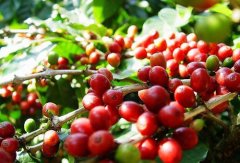
The best Kona coffee comes from hand-picking only ripe cherries, multiple times per season. This careful, labor-intensive method avoids mixing underripe or overripe fruit — the biggest enemies of consistent flavor.
What Is Kona Coffee?
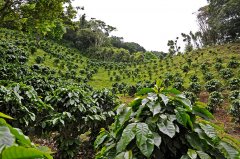
Hawaii is the only U.S. state that grows truly premium coffee, and Kona is its crown jewel. Grown exclusively on the slopes of Mauna Loa, a volcano on the Big Island’s western Kona region, this coffee thrives in a unique microclimate and volcanic soil unlike anywhere else.
How Kona Coffee Is Grown
Kona coffee farms stretch roughly 30 kilometers along the mountain, mostly on its northern and southern slopes. The terrain is rugged, but the volcanic soil is famously fertile. Planting and maintaining these high-altitude trees — typically grown above 90 meters — demands intense physical labor. Yet growers are rewarded: Kona arabica plants suffer little from pests or disease.
The region enjoys near-perfect coffee-growing conditions: abundant sunshine and rainfall with zero frost risk. Around 2 p.m. daily, natural cloud cover provides essential shade. This “free shade” effect, along with rich soil and careful farming, lets Kona farms produce an astonishing 2,240 kilograms of arabica coffee per hectare — far above the Latin American average of 560–900 kilograms per hectare.
Yet only about 1,400 hectares are dedicated to genuine Kona coffee. That limited space makes true Kona extremely rare outside Hawaii.
How Kona Coffee Is Harvested
The key to Kona’s high quality lies in harvesting. Only perfectly ripe coffee cherries are hand-picked. Pickers return frequently during the harvest season to select only mature fruit. Mixing unripe or overripe cherries ruins cup balance and consistency — a common issue in mass-market coffees.
This meticulous, repeated hand-harvesting is labor-intensive and expensive, but essential for the complex, clean flavors Kona is known for.
Kona Coffee Quality Grades
Top-tier Kona coffee is sorted and graded into three levels: Extra Fancy, Fancy, and Number One. These grades can come from both estate-grown and natural growing conditions. Most coffee sold as “Kona” in stores contains less than 5% actual Kona beans — often blended with cheaper imports.
Outside Kona, another notable Hawaiian coffee is Kai Farms, which offers solid quality and a taste of the islands’ terroir without the Kona label.
Why Hand-Picking Matters for Specialty Coffee
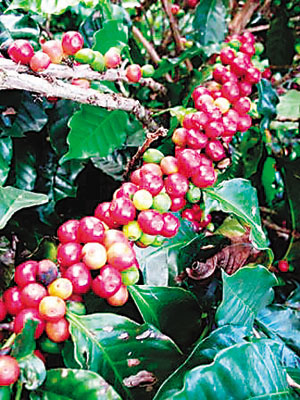
Specialty coffee relies on uniform ripeness. A single underripe cherry in your batch can introduce sour, astringent notes, while overripe fruit adds fermenty or musty tones. Only hand-selecting ripe cherries ensures a clean, balanced extraction. Kona producers go further, picking only at peak ripeness — multiple times over the season — to maintain cup excellence.
Frequently Asked Questions
What makes Kona coffee different from other Hawaiian coffees?
Kona coffee is grown only on the slopes of Mauna Loa in the Kona region of Hawaii’s Big Island. Its unique volcanic soil, elevation, and microclimate create a distinct flavor profile and higher quality compared to other Hawaiian-grown coffees. Only coffee from this specific area can be labeled “Kona.”
How is Kona coffee harvested?
Kona coffee is harvested by hand, and only ripe cherries are picked. Pickers return to the trees multiple times during the season to ensure only mature fruit is collected. This avoids mixing unripe or overripe cherries, which is critical for maintaining consistent flavor in the cup.
What yield does Kona coffee produce per hectare?
Kona coffee produces an average of 2,240 kilograms of arabica coffee per hectare, significantly higher than the Latin American average of 560–900 kilograms per hectare. This high yield is supported by ideal growing conditions, including rich volcanic soil and consistent sunlight.
Why is true Kona coffee so rare?
Genuine Kona coffee is grown on only about 1,400 hectares of land. Combined with high demand and strict labeling laws, this limited growing area means that most coffee sold as “Kona” contains less than 5% actual Kona beans, often blended with other origins.
Are there other good Hawaiian coffees besides Kona?
Yes. One notable example is Kai Farms coffee, another Hawaiian-grown option that delivers quality flavor and represents the islands’ coffee culture, even if it’s not from the Kona region.
Recommended FrontStreet Beans for Pour-Over
If you enjoy the clean, balanced profiles of Kona coffee, try FrontStreet's BrazilBourbon for its round, nutty body and sweet finish, ideal for medium roast pour-over. For brighter fruit notes, the ColombiaSidra offers complex sweetness with stone fruit and floral layers, especially great as a washed single origin. Both beans showcase the kind of clarity and care found in top Hawaiian coffees. Freshly roasted within 5 days · Orders placed before 17:00 ship the same day · Next-day delivery across most of Guangdong Province.
FrontStreet Coffee is a long-established specialty coffee roaster in Guangzhou China, selling freshly roasted beans from its own farm in Yunnan as well as dozens of carefully selected single-origin beans from around the world for both pour-over and espresso. The products deliver consistently excellent quality and great value, with shipping within 24 hours. Guangzhou's FrontStreet Coffee shop is recommended by many coffee lovers, and the beans are now available online at the Tmall 。
Important Notice :
前街咖啡 FrontStreet Coffee has moved to new addredd:
FrontStreet Coffee Address: 315,Donghua East Road,GuangZhou
Tel:020 38364473