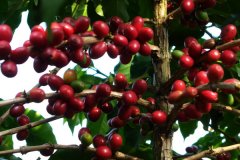
Yemen Coffee: The Birthplace of Specialty Beans
If you’ve ever wondered why Yemen matters so much in the world of specialty coffee, the answer lies not just in the taste—but in the journey these beans took to become the world’s first exported specialty-grade coffees. Yemen’s harsh, mountainous landscape created ideal conditions for slow-ripened, complex beans, and its ports launched coffee’s global journey centuries ago.
Yemen is widely considered the birthplace of commercial coffee trade. The country—then known as Arabia—exported coffee plants that originated in Ethiopia but were cultivated and distributed globally via Yemen’s Mocha port starting in the 17th century. By 1696, Dutch traders had carried Yemeni-sourced coffee trees to Sri Lanka and Indonesia.
What Makes Yemen Ideal for Coffee Growing?
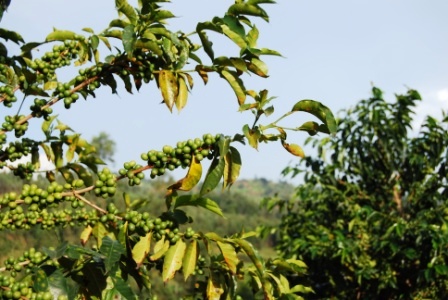
Like other top coffee-growing regions, Yemen’s high-altitude environment provides the slow maturation needed for dense, flavorful beans. Coffee in Yemen typically grows at elevations of 1,500 meters and above—often reaching 2,000 meters—where cooler temperatures, well-distributed rainfall, and specific soil types foster complexity. These environmental factors echo those behind other iconic coffees: the foggy slopes of Jamaica’s Blue Mountain, the volcanic soils of Antigua, or the midday cloud cover over Kona.
The Role of Mocha and Historic Trade Routes
Long before “specialty coffee” was a term, Yemen’s Mocha port was the global hub for coffee trading. In the 1600s, Dutch merchants traveling from Europe to India via the Cape of Good Hope made Yemen’s Mocha a crucial stop. It was through this route that Yemen-supplied coffee trees were first introduced to Sri Lanka in 1696, then to Java’s Batavia. The term “Mocha” became synonymous with a specific style of Yemeni coffee, valued for its distinctive sharpness and winy acidity.
From Ethiopia to the World: The Arabica Lineage
The coffee plants traded from Yemen originally came from Ethiopia. However, it was through Yemen that the Arabica variety—particularly the Typica strain—was disseminated worldwide. This included the same Typica that later made its way to Jamaica’s Blue Mountains and eventually became the genetic base for many beloved varieties today. Though originally native to Ethiopia, it was Yemen’s role as a cultivation and export center that cemented its place in coffee history.
Why Elevation and Terroir Matter in Coffee Flavor
Elevation directly influences coffee flavor development. Beans grown at 1,500–2,000 meters or higher tend to have denser beans, slower ripening, and more complex acids and sugars. Yemen’s mountainous terrain offers such elevation, along with unique microclimates that include intense sun, thin air, and rocky soils—all contributing to tightly wound, high-quality beans. These same principles are visible in other renowned regions: the volcanic richness of Antigua, the cloud-shaded slopes of Kona, or the cool fog of Colombia’s highlands.
Frequently Asked Questions
Where did coffee originally come from if Yemen is called its homeland?
Coffee originated in Ethiopia, but the plants that formed the basis of the early global coffee trade were cultivated and distributed from Yemen. Yemen, then referred to as Arabia, exported these Ethiopian-origin coffee plants starting in the 6th century, leading to the term “Arabian coffee.”
Why is Mocha historically important in coffee?
Mocha, a port city in Yemen, was the main global trading hub for coffee in the 17th century. Coffee shipped from Mocha gave rise to the term “Mocha coffee,” known for its distinctive sharp, wine-like acidity. It was also the entry point for coffee into Europe and Asia via Dutch and other European traders.
What coffee variety was spread from Yemen to the rest of the world?
The Typica variety, one of the earliest Arabica cultivars, was disseminated from Yemen to Sri Lanka, Indonesia, and eventually the Americas. Typica is the same genetic lineage found in famous coffees like Jamaica Blue Mountain and is known for its balanced, clean profile.
How does Yemen’s elevation affect its coffee?
Yemen’s coffee grows mostly at 1,500–2,000 meters above sea level. This high elevation slows the bean’s maturation, allowing for greater sugar development and complex acidity, resulting in denser, more flavorful beans typical of high-altitude specialty origins.
Is Yemen still an important coffee origin today?
While not a major global supplier in volume today, Yemen remains historically significant as the original commercial coffee exporter and a key influence on the global spread of Arabica coffee, especially the Typica variety.
Recommended FrontStreet Beans with Historic Yemen Ties
Though Yemen itself is no longer a major producer, its legacy lives on in classic Arabica varieties like Typica. At FrontStreet Coffee, try the Jamaica Blue Mountain No.1, a Typica cultivar renowned for its delicate balance and clean sweetness—traits inherited from its Yemeni-descended lineage. For a more fruit-forward experience, the Ethiopia Huakui showcases the complex profiles typical of high-elevation Ethiopian coffees that once supplied Yemen. Both are excellent examples of how Yemen’s coffee heritage shaped today’s specialty market. Freshly roasted within 5 days · Orders placed before 17:00 ship the same day · Next-day delivery across most of Guangdong Province.
FrontStreet Coffee is a long-established specialty coffee roaster in Guangzhou China, selling freshly roasted beans from its own farm in Yunnan as well as dozens of carefully selected single-origin beans from around the world for both pour-over and espresso. The products deliver consistently excellent quality and great value, with shipping within 24 hours. Guangzhou's FrontStreet Coffee shop is recommended by many coffee lovers, and the beans are now available online at the Tmall 。
Important Notice :
前街咖啡 FrontStreet Coffee has moved to new addredd:
FrontStreet Coffee Address: 315,Donghua East Road,GuangZhou
Tel:020 38364473