Harar Coffee: Wild Acidity and Classic Ethiopian Mocha Flavor
If you’ve ever tasted a coffee that tastes like fruit, wine, and dark chocolate all at once, you may have had Harar. Grown in Ethiopia’s remote Eastern Highlands, this coffee isn’t just another light roast—it’s a sensory experience defined by bold, unpredictable flavors. But what exactly gives Harar its wild character, and why do specialty roasters still seek it out despite its inconsistencies?
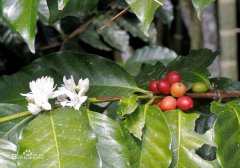
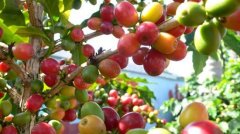
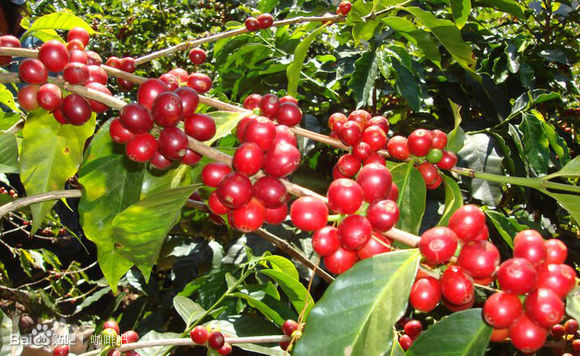
Harar coffee grows between 1,500 and 2,100 metres (roughly 5,000–7,000 feet) in Ethiopia’s Harerge Province. The beans are medium-sized, often with pointed ends, and greenish-yellow to golden in colour. When roasted, they emit strong chocolate aromas, and the cup delivers moderate acidity, heavy body, and the signature wild, mocha-like profile that defines this region.
What Is Harar Coffee?
Harar is one of Ethiopia’s oldest and most traditional coffee-growing regions. The coffee grown here is almost exclusively processed using the natural (dry) method, which contributes heavily to its distinctive flavour profile. The beans are known for their irregular shapes and sizes, and for being part of the so-called “Ethiopian coffee twins” alongside Yirgacheffe. While Yirgacheffe is celebrated for its bright, citrusy acidity, Harar is revered for its deeper, more rustic expression.
Why Does Harar Taste So Wild?
The wild, complex flavours in Harar coffee come from both terroir and processing. The region’s dry, cool climate naturally lends itself to the natural drying method, where coffee cherries are dried whole on raised beds or mats. This slow drying process allows sugars and flavours from the fruit to deeply infuse the seed. When done carefully—especially with well-sorted beans—you can detect bright notes of jasmine flower and subtle hints of fermented wine. However, the same process can also bring about less desirable “funky” or overly fermented aromas if quality control is lacking.
The Challenge of Quality Consistency in Harar
A major issue with Harar coffee is inconsistency. Many local farmers mix specialty-grade beans with lower-quality commercial lots, which can lead to unpredictable results in the cup. Even within a single bag, you might find a mix of vibrant, complex profiles and flat or overly earthy notes. The key factor is the sorting: well-picked and meticulously sorted lots will highlight the region’s best qualities—think blueberry-like fruitiness with a clean, lingering fermented finish. Poorly sorted batches may lack clarity and balance.
How to Brew Harar Coffee
To get the most out of Harar, many specialty roasters recommend a medium to dark roast to balance its inherent wildness. When brewing, a medium-fine grind (similar to table salt) works well for pour-over methods, aiming for a brew ratio around 1:15 to 1:16. Water temperature should stay between 92–94°C (198–201°F). If you’re using a French press or immersion method, let it steep a little longer to draw out the body and chocolate notes. Due to its heavy mouthfeel and layered flavours, Harar can also shine in espresso blends, adding complexity and fruit depth.
Frequently Asked Questions
Where is Harar coffee grown?
Harar coffee is grown in Ethiopia’s Harerge Province, within the Eastern Highlands, at elevations between 1,500 and 2,100 metres (approximately 5,000–7,000 feet) above sea level.
What processing method is used for Harar coffee?
Harar coffee is almost always processed using the natural (dry) method, where coffee cherries are dried with the fruit still attached. This contributes to its signature wild, fruity, and sometimes fermented flavour notes.
What does Harar coffee taste like?
Harar typically has a wild, complex profile with moderate acidity, heavy body, and flavours that can include chocolate, fermented wine, floral notes like jasmine, and sometimes a funky or wine-like aftertaste. High-quality lots may also show berry-like fruitiness.
Why is Harar coffee considered inconsistent?
Harar coffee often includes a mix of specialty and commercial-grade beans, as farmers sometimes blend them. This, along with variable sorting, leads to inconsistent flavour profiles—from bright and juicy to flat or overly earthy.
How should I brew Harar coffee to get the best flavour?
For Harar, try a medium to dark roast and use a medium-fine grind for pour-over methods (1:15 to 1:16 brew ratio, 92–94°C water). French press or espresso blending can also enhance its body and layered flavours.
Recommended FrontStreet Beans for Harar Fans
FrontStreet Coffee’s Ethiopia Yirgacheffe Gedeb offers bright floral notes and juicy acidity akin to Harar’s more refined cousins, while their Kenya Little Tomato brings bold fruit and wine-like complexity. For a classic Ethiopian profile, try their Ethiopia Huakui, which balances bright tones with heavy body. All showcase the vibrant, fruit-forward qualities that Harar fans appreciate. Freshly roasted within 5 days · Orders placed before 17:00 ship the same day · Next-day delivery across most of Guangdong Province.
FrontStreet Coffee is a long-established specialty coffee roaster in Guangzhou China, selling freshly roasted beans from its own farm in Yunnan as well as dozens of carefully selected single-origin beans from around the world for both pour-over and espresso. The products deliver consistently excellent quality and great value, with shipping within 24 hours. Guangzhou's FrontStreet Coffee shop is recommended by many coffee lovers, and the beans are now available online at the Tmall 。
Important Notice :
前街咖啡 FrontStreet Coffee has moved to new addredd:
FrontStreet Coffee Address: 315,Donghua East Road,GuangZhou
Tel:020 38364473