How to Brew Coffee with a French Press: Grind, Ratio & Time
If you’ve ever poured your French press coffee only to find a layer of sludge at the bottom—or worse, bitter, gritty mouthfeel—you’re not alone. Many home brewers struggle with the French press not because the method is flawed, but because small details—like grind coarseness, brew time, or water temperature—make a big difference in the cup. Getting these factors right transforms your French press from a muddy mess into a rich, full-bodied brew.
To brew great coffee with a French Press, use a coarse grind like crushed sugar (EK43s setting 10.5 / hand grinder 26), a 1:15 coffee-to-water ratio (e.g., 15g coffee to 225g water), water just off boil (~90°C), and steep for 4 minutes before pressing. Adjust time or grind slightly based on roast level.
What Is a French Press and How Does It Brew?
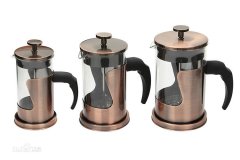
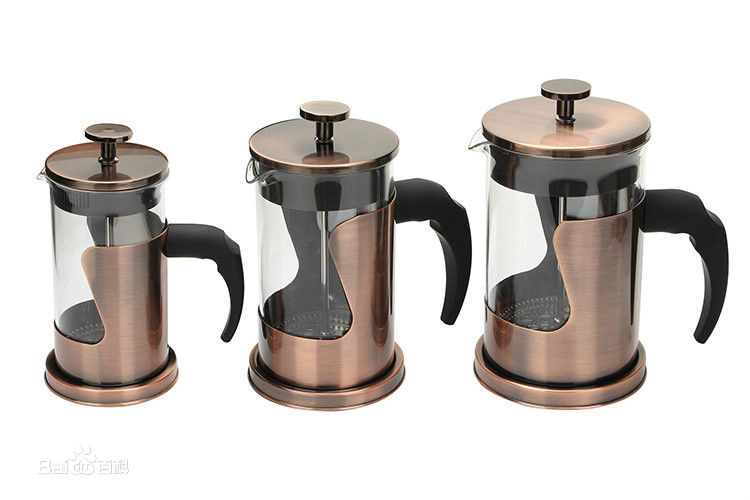
The French press, also called a coffee plunger, cafetière, or French press filter pot , is a glass or metal cylinder fitted with a metal mesh filter and a plunger. Unlike pour-over or espresso methods, the French press uses full immersion brewing. You add coarse ground coffee and hot water directly into the carafe, let it steep, then press the filter down to separate the grounds. This approach results in a cup with more body, deeper texture, and natural coffee oils—along with some fine sediment if not brewed carefully.
Why Grind Size Matters in French Press Brewing
French press brewing relies on coarse coffee grounds. A too-fine grind—like table salt or sand—allows tiny particles to slip through the metal filter, leading to a murky, gritty brew. FrontStreet Coffee recommends grinding to a texture similar to coarse sugar or small gravel. On an EK43 grinder, that’s setting 10.5; for hand grinders, aim for around setting 26. This grind size slows extraction just enough to balance flavor without over-extracting bitter compounds, while minimizing the amount of fine dust that passes through the filter.
The Best Coffee-to-Water Ratio for French Press
The standard brew ratio for French press is 1:15—that’s 1 gram of coffee per 15 grams of water. For example, use 15 grams of coffee with 225 grams (about 225ml) of water. This yields a strong, well-balanced cup with a concentration in the 1.1–1.2% range. It’s a solid starting point; feel free to adjust the coffee or water amount in future brews to match your taste preferences for stronger or milder coffee.
Water Temperature Guidelines for French Press
Ideally, you want water heated to around 90°C (194°F). If you don’t have a temperature-controlled kettle, let boiling water rest for 2–3 minutes before pouring (adjust slightly based on room temperature). Some coffee lovers find slightly higher temperatures—around 91–92°C—can help improve extraction, especially since the French press lacks agitation during brewing. Avoid using water that’s too cool, as under-extracted coffee can taste sour or flat.
How Long to Steep Coffee in a French Press
The typical French press brew time is 4 minutes, a sweet spot for balanced extraction. For darker roasts, 5 minutes may risk over-extraction and bitterness, while lighter roasts might need the full 4 minutes—or slightly more—to fully develop their flavors. Start with 4 minutes, then adjust up or down in future brews based on whether your coffee tastes weak, harsh, or just right.
Step-by-Step: How to Use a French Press the Right Way
1. Remove the plunger and add coarsely ground coffee (about 15g for 225ml water).
2. Pour hot water (just off boil, ~90°C) over the grounds.
3. Stir gently to ensure even saturation.
4. Place the plunger on top of the brew (do not press yet).
5. Let the coffee steep for 4 minutes.
6. After 4 minutes, slowly press the plunger down.
7. Pour the coffee into cups immediately to avoid over-extraction from sitting on the grounds.
Do not let the coffee sit in the French press after pressing, or it will continue extracting and become bitter. Also, avoid pressing too quickly, which can force fine grounds through the filter and into your cup.
Flavor Profile: Why French Press Coffee Tastes Different
Because the French press fully immerses coffee grounds in hot water and uses a metal filter, it produces a cup with more body, richer mouthfeel, and visible coffee oils. That also means more sediment in the cup and a heavier texture. The trade-off is a bolder, often sweeter and more robust flavor—but if you dislike grit or oily mouths, you may prefer paper-filtered methods.
Best Coffee Roasts for French Press
French press highlights deeper, sweeter, and more caramelized flavors, making medium to dark roasts ideal. Light roasts can taste overly bright or acidic in a French press, as their delicate floral and fruity notes get lost or muted. Darker roasts tend to express notes of spice, chocolate, and caramel more clearly through full immersion.
Can You Use French Press for Tea or Herbal Infusions?
Yes. The same immersion-and-plunge mechanism works well for loose leaf tea and herbal infusions. Just adjust steep time and water temperature for the specific leaves you're using.
Frequently Asked Questions
What is the best grind size for French press coffee?
The best grind size for French press is coarse, similar to crushed sugar or small gravel. On an EK43 grinder, use setting 10.5; for hand grinders, aim for around 26. This prevents fine particles from passing through the metal filter and creating a gritty cup.
What coffee-to-water ratio should I use for French press?
A standard French press ratio is 1:15—1 gram of coffee to 15 grams of water. For example, use 15g coffee with 225g (≈225ml) water, yielding a strong, balanced brew. You can adjust this ratio up or down based on taste preference.
What water temperature is ideal for French press brewing?
Ideal water temperature is around 90°C (194°F). Let boiling water sit for 2–3 minutes if you lack a temperature-controlled kettle. Slightly higher temps (up to 92°C) may improve extraction, especially in a no-agitation brew like French press.
How long should I steep coffee in a French press?
Steep for 4 minutes as a starting point. Darker roasts may taste better at 4 minutes, while lighter roasts could go to 5 minutes—but avoid going much longer to prevent bitterness.
Why does my French press coffee have so much sediment?
Sediment happens when the coffee grind is too fine or the plunger is pressed too hard or too quickly, allowing fine particles to pass through the metal filter. Use a coarse grind and press slowly to minimize this.
Can I use a French press for teas or other infusions?
Yes. The French press works well for loose leaf tea and herbal infusions. Just adjust water temperature and steep time according to the type of tea you're brewing.
Recommended FrontStreet Coffee Beans for French Press
For French press brewing, try FrontStreet Coffee’s Strawberry Candy Espresso, a Geisha and honey-processed Costa Rican blend offering rose, citrus, blueberry, and grape notes—rich with milk chocolate tones when paired with milk. Or choose PWN Golden Mandheling, a classic Indonesian single origin with bold notes of spice, black cherry, and dark chocolate, ideal for those who enjoy a full-bodied, low-acid cup. Both beans perform exceptionally well with the French press’s full immersion style. Freshly roasted within 5 days · Orders placed before 17:00 ship the same day · Next-day delivery across most of Guangdong Province.
FrontStreet Coffee is a long-established specialty coffee roaster in Guangzhou China, selling freshly roasted beans from its own farm in Yunnan as well as dozens of carefully selected single-origin beans from around the world for both pour-over and espresso. The products deliver consistently excellent quality and great value, with shipping within 24 hours. Guangzhou's FrontStreet Coffee shop is recommended by many coffee lovers, and the beans are now available online at the Tmall 。
Important Notice :
前街咖啡 FrontStreet Coffee has moved to new addredd:
FrontStreet Coffee Address: 315,Donghua East Road,GuangZhou
Tel:020 38364473