How High-Altitude Coffee Affects Your Body
You’ve heard that coffee from high-altitude regions tastes better—but is there more to it? From Jamaica’s misty Blue Mountains to Indonesia’s volcanic slopes, elevation influences not just flavor, but also how coffee interacts with your body. If you’ve ever wondered why some brews feel smoother or more energizing, the answer begins with where the beans grow.
Coffee grown at 800–2,256 metres above sea level tends to develop more complex flavors, lower acidity, and a richer body—traits linked to slower bean maturation. These same factors may contribute to a gentler caffeine release, offering a more balanced stimulation without the jitters. Here’s how elevation and origin shape what coffee does inside your body.
What Defines High-Altitude Coffee?
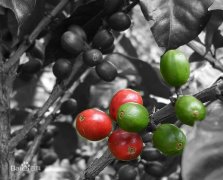
High-altitude coffee refers to beans cultivated at elevations typically between 800 and 2,500 metres. At these heights, cooler temperatures slow cherry ripening, allowing beans to develop more sugars and complex compounds. The result? Coffee with deeper flavor, fuller body, and often a more balanced effect on the body compared to lower-grown beans.
Top Coffee Origins and Their Effects
Different regions produce beans with distinct profiles due to climate, soil, and altitude. Here’s how some of the world’s most renowned origins—from Jamaica to Ethiopia—affect both taste and body response:
Jamaica Blue Mountain (2,256m)
Grown at the peak of the Blue Mountains, this coffee (graded No.1 to No.3) is celebrated for its strong aroma, intense sweetness, mild acidity, full body, and gentle bitterness. The extreme altitude slows growth, producing a smooth cup that’s easy on the stomach and offers a calm, sustained energy boost. The low acidity also reduces the risk of digestive discomfort.
Hawaii Kona (varies, coastal highlands)
Kona beans thrive in Hawaii’s volcanic soil and mild coastal elevation. They feature a rich, full-bodied profile with balanced acidity, a hint of cinnamon spice, and a visually striking, glossy appearance. Their smooth, sweet flavor with subtle spice notes leads to a mellow, enjoyable stimulation without harsh effects.
Brazil (Screen 18–19, ~1,000–1,300m)
Brazilian coffee, often used in blends, is known for its medium aroma, strong sweetness, balanced acidity, medium body, and mild bitterness. Graded No.1 and No.2, Screen 18–19 beans are especially prized. Its low acidity and smooth mouthfeel make it a go-to for those sensitive to digestive irritation, while its sweetness provides a steady energy lift.
Mandheling (Indonesia, ~1,200–1,500m)
This large-beaned Indonesian coffee from Sumatra features a strong aroma, medium sweetness, low acidity, medium body, and bold bitterness. Though production inconsistencies exist, its full flavor and heavier body deliver a grounded, sustained energy. The low acidity helps minimize potential stomach upset.
Ethiopia (Mocha/ Yirgacheffe region, ~1,500–2,000m)
Ethiopian beans, especially those processed naturally, exhibit strong aroma, medium sweetness, balanced acidity, full body, and soft bitterness. Graded No.1 to No.8 by defect rate, they offer bright yet smooth profiles. The complex fruit and floral notes come with a gentler caffeine impact, supporting alertness without overstimulation.
Colombia (~1,200–1,800m)
Colombian coffee boasts strong aroma, medium sweetness, balanced acidity, strong body, and mild bitterness. Its large, greenish beans deliver a well-rounded cup that’s equally good black or in a blend. The balanced profile supports a stable energy curve with minimal digestive or nervous system agitation.
Other Notable Origins
• Java (Indonesia): Heavy-bodied and bitter with minimal acidity; often blended with chocolate syrup for a smooth, dessert-like cup.
• Sumatra (Mandheling region): Similar to Mandheling, with deep, earthy tones and a heavier body.
• Yemen Mocha: Dry-processed for unique acidity and aroma, offering a complex but smooth stimulation.

Why Elevation Matters for Body Response
Higher altitudes slow coffee cherry development, leading to beans with higher sugar content and lower chlorogenic acid levels. This typically results in a cup that’s less acidic and gentler on digestion. The fuller body and smoother flavor profile also contribute to a more balanced caffeine release, which can mean fewer jitters or crashes. Low-acid, high-sugar beans are often better tolerated by sensitive stomachs and may support more stable energy levels.
Health-Linked Coffee Traits by Region
Different regions produce beans with specific attributes that may influence how your body reacts:
- Low Acidity (Jamaica Blue Mountain, Brazil, Hawaii Kona): Gentle on the stomach, reducing acid reflux risk.
- Full Body (Mandheling, Java, Colombia): Offers a heavier, grounding cup that feels soothing and steady.
- Balanced Sweetness (Brazil, Ethiopia, Colombia): Provides a smooth energy lift without sharp highs or lows.
- Gentle Bitterness (Kona, Jamaica Blue Mountain): Contributes to a mellow, non-harsh finish.
Frequently Asked Questions
Does coffee from high altitudes really have less caffeine?
Not necessarily. Altitude affects bean density and flavor compounds, but caffeine content stays relatively stable. High-altitude beans may feel less jittery due to lower acidity and smoother caffeine release, not because they contain less caffeine.
Why is Jamaican Blue Mountain coffee considered so special?
Grown at 2,256 metres, Blue Mountain coffee is cultivated under cool conditions that slow ripening. This produces a cup with intense sweetness, mild acidity, and a full body—traits that create a smooth, easy-drinking experience often gentler on the stomach.
Are low-acid coffees better for your health?
For people prone to acid reflux or stomach sensitivity, low-acid coffees (like Brazil or Hawaii Kona) can reduce irritation. These beans typically come from higher elevations and offer a smoother digestive experience without sacrificing flavor.
What makes Ethiopian coffee different for body response?
Ethiopian beans often have bright yet balanced acidity and complex floral or fruity notes. Their moderate caffeine effect, paired with smooth mouthfeel, supports alertness without overstimulation, making them ideal for steady energy.
Does darker roast reduce the health benefits of high-altitude coffee?
Darker roasts can mute some of the natural antioxidants and alter flavor profiles, but they don’t eliminate the inherent benefits of high-altitude growth. However, lighter roasts better preserve the unique compounds tied to each origin’s elevation.
Can altitude affect how quickly I feel coffee’s effects?
Yes. High-altitude coffee’s typically smoother caffeine release can lead to a more gradual increase in alertness, with less of a sudden spike or crash compared to lower-elevation or more acidic beans.
Recommended FrontStreet Beans for Elevation Effects
For a taste of high-altitude profiles, try FrontStreet Coffee’s PWN Golden Mandheling, a bold, full-bodied Indonesian coffee with strong aroma and a smooth, heavy cup. For balanced sweetness and low acidity, their 2013 Yunnan Ironica (Yunnan Arabica) offers chocolate and nut notes from medium roast. Or explore Jamaica’s famed terroir through FrontStreet’s Jamaica Blue Mountain No.1 equivalent—though not listed here, similar high-elevation traits appear in other featured FrontStreet offerings. Freshly roasted within 5 days · Orders placed before 17:00 ship the same day · Next-day delivery across most of Guangdong Province.
FrontStreet Coffee is a long-established specialty coffee roaster in Guangzhou China, selling freshly roasted beans from its own farm in Yunnan as well as dozens of carefully selected single-origin beans from around the world for both pour-over and espresso. The products deliver consistently excellent quality and great value, with shipping within 24 hours. Guangzhou's FrontStreet Coffee shop is recommended by many coffee lovers, and the beans are now available online at the Tmall 。
Important Notice :
前街咖啡 FrontStreet Coffee has moved to new addredd:
FrontStreet Coffee Address: 315,Donghua East Road,GuangZhou
Tel:020 38364473