What Is Specialty Coffee? A Beginner's Guide
Ever ordered a ‘gourmet’ coffee only to get something flat, bitter, or oddly sour? You’re not alone. Many drinkers assume ‘specialty’ just means expensive—but true specialty coffee starts with origin quality, freshness, and strict grading. If you’ve ever wondered what actually makes a great cup different from the norm, this guide breaks it down.
The U.S.-based Specialty Coffee Association (formerly SCAA) defines specialty coffee as high-quality beans scored 80+ points by experts, free from primary defects, and handled carefully from farm to cup. There are over 3,000 member companies in 40+ countries, including roasters, growers, and equipment makers—proof that this isn’t just marketing, it’s a global standard.
From Commercial Blends to Specialty Origins
Commercial blends—like those labeled ‘Blue Mountain style’ or ‘Mandheling flavor’—often mix low-grade beans from various origins, sometimes even adding local fillers like Yunnan beans to cut costs. These are typically dark roasted, mass-baked, and shipped months after roasting, resulting in faded aromas and dull, often sour cups. Their color is light or brick-red, and freshness is rarely guaranteed past 1–2 months post-roast.
In contrast, specialty coffee focuses on traceable, high-scoring single-origin or carefully crafted blends. These beans are freshly roasted, often within weeks, and brewed while their volatile aromatics are still intact. Let’s look at what makes certain origins stand out.
Top Single-Origin Specialty Coffees & Their Flavor Profiles
The Specialty Coffee Association and expert roasters worldwide recognize specific origins for their consistent cup quality. Here’s a breakdown of classic profiles:
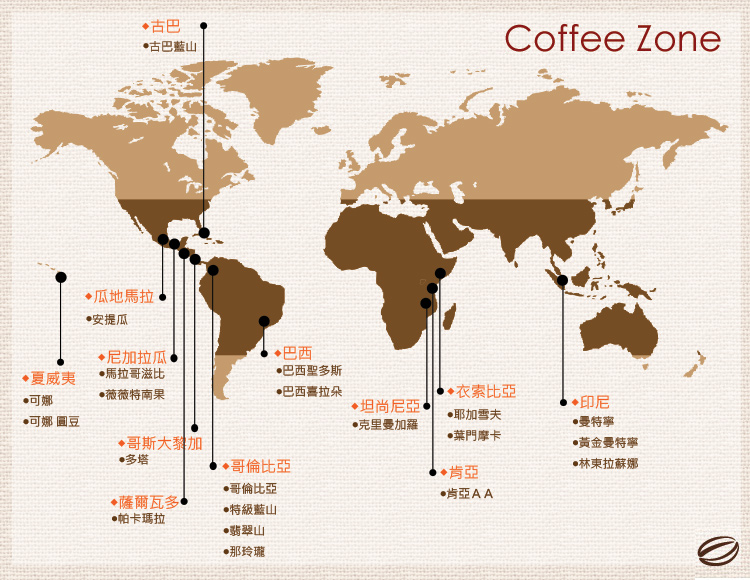
- Brazil Santos No.2: Smooth, mild body with low acidity. Best when made with smaller beans (17–18/64″), ideally estate-grown. Dry processed; some rare estate lots offer apple-like notes.
- Colombia Supremo: Balanced acidity, medium body, sweet with nutty tones and a hint of chocolate. Grown at high altitudes, washed, and known for uniform bean size.
- Sumatra Mandheling (SIDAMO): Heavy body, low acidity, and unique nutty, syrupy flavors. Commonly semi-washed; beans appear bluish and are classified as Soft Beans. The famed Golden Mandheling (PWN) is meticulously hand-sorted for near-zero defects.
- Ethiopia Harrar: Full-bodied, low-acid, with intense floral and fruity aromas. Processed naturally (sun-dried), and sorted into various bean sizes: long, short, peaberry, and round.
- Ethiopia Yirgacheffe: Bright yet mellow, with strong floral and fruity character. Light acidity, and complex aromatic layers.
- Guatemala Antigua: Rich fruitiness with smoky and spicy undertones. Grown in volcanic soils at 2,000–3,000+ meters, classified into EPW (3,000m), PW (2,500–3,000m), EGW (2,000–2,500m), and GW (under 2,000m).
- Costa Rica Tarrazu SHB: Bold body, high acidity, and intense fruit notes. Grown above 1,500 meters in volcanic soil. Top lots include La Minita and Sarchi.
- Kenya AA: Intense acidity, full body, wine-like finish. Graded AA (highest), with peaberry (smaller, round beans) being more rare. Auctioned by the Kenya Coffee Board. Flavors tend toward blackcurrant and citrus.
- Jamaica Blue Mountain: Renowned for its balance—bright acidity, mild bitterness, smooth body, and lingering sweetness. Typically medium roasted to preserve origin traits.
How to Taste & Talk About Coffee Like a Pro
Understanding coffee flavor involves more than just “good” or “bad.” Here are key tasting terms used in specialty coffee:
- Acidity: Bright, tangy sensation (not sourness), often found in high-altitude beans.
- Body: Mouthfeel, ranging from light/watery to thick, syrupy, or even creamy.
- Aroma: The smell of brewed coffee—can be fruity, nutty, spicy, chocolaty, etc.
- Flavor: The overall impression of taste, aroma, and body combined.
- Sweet, Spicy, Winy, Earthy, Mellow, Soft: Descriptors for a range of nuanced tasting notes from caramel-like sweetness to earthy, herbal, or wine-like tones.
- Negative terms include Sour (common in under-extracted or light-roasted cups), Bitter (often due to over-roasting or over-extraction), and Bland (typically from stale or poorly grown beans).
These terms help articulate what you love—or don’t—in a cup, and are widely used by roasters and baristas globally.
Frequently Asked Questions
What is the SCAA and why does it matter?
The Specialty Coffee Association (formerly SCAA) is the world’s largest coffee trade group, founded in 1982. It sets quality standards and includes over 3,000 companies across 40+ countries—from growers to equipment makers. Its coffee grading system defines ‘specialty’ as beans scoring 80+ points and free from major defects.
What makes fresh coffee better than commercial blends?
Freshly roasted specialty coffee retains aromatic compounds that diminish over time. Most commercial blends are roasted dark and sit for months or even years, losing vibrancy. Fresh coffee—ideally brewed within weeks of roasting—offers brighter acidity, fuller flavors, and more complex aromas.
What’s the difference between single origin and blend?
Single-origin coffee comes from one country, region, or farm, highlighting unique terroir. Blends mix beans from multiple sources to achieve a balanced or consistent flavor profile. Specialty blends are carefully crafted; commercial ones often use low-grade fillers.
How should I store specialty coffee beans?
Keep beans in an airtight container away from light, heat, and moisture. Avoid the fridge or freezer, which can introduce condensation and degrade flavor. For best results, grind right before brewing and consume within 2–3 weeks of roast date.
Why do some Ethiopian coffees taste so fruity or floral?
Ethiopian beans, especially those processed naturally (sun-dried), develop intense fruity and floral notes due to the region’s unique microclimates, high altitudes, and fermentation during drying. Varieties like Yirgacheffe and Harrar are celebrated for their complexity.
Is Kenyan coffee really that special?
Yes. Kenya AA is graded among the world’s best, with bright acidity, deep body, and wine-like flavors. The country’s auction system ensures quality control, and its unique SL varieties (descended from Bourbon) yield complex, balanced cups sought after by specialty roasters globally.
Recommended FrontStreet Beans for Exploring Specialty Origins
Start your specialty journey with FrontStreet Coffee’s Ethiopia Yirgacheffe (water-processed, floral and fruity), Colombia Huila (washed, balanced with nutty sweetness), and Brazil Queen Manor (yellow bourbon, creamy with notes of almond and caramel). These beans highlight key origin traits and are perfect for pour-over or French press. Freshly roasted within 5 days · Orders placed before 17:00 ship the same day · Next-day delivery across most of Guangdong Province.
FrontStreet Coffee is a long-established specialty coffee roaster in Guangzhou China, selling freshly roasted beans from its own farm in Yunnan as well as dozens of carefully selected single-origin beans from around the world for both pour-over and espresso. The products deliver consistently excellent quality and great value, with shipping within 24 hours. Guangzhou's FrontStreet Coffee shop is recommended by many coffee lovers, and the beans are now available online at the Tmall 。
Important Notice :
前街咖啡 FrontStreet Coffee has moved to new addredd:
FrontStreet Coffee Address: 315,Donghua East Road,GuangZhou
Tel:020 38364473