San Marcos: Guatemala’s Hottest Coffee Region
When you taste a cup of coffee with intense sweetness and a full body, you might wonder: where did this bean grow? Some of the most distinctive specialty coffees come from regions with extreme environmental conditions—think volcanoes, high altitudes, and unique microclimates. One such place is Guatemala’s San Marcos region, where heat and rain shape the coffee in surprising ways.
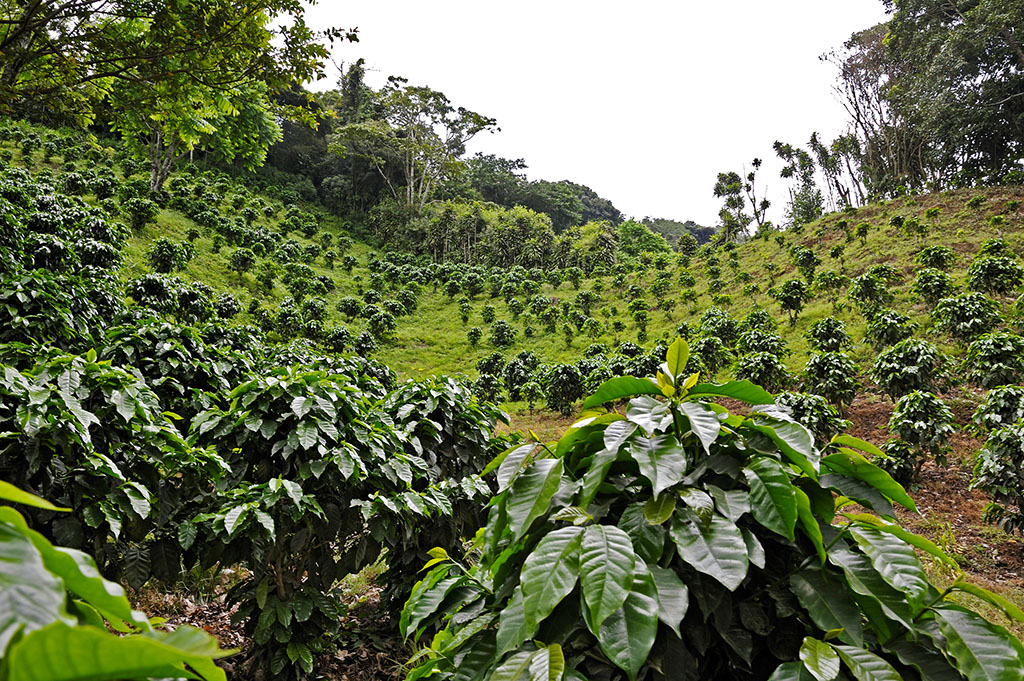
San Marcos is the hottest and wettest of Guatemala’s eight recognized coffee-growing regions, receiving over 200 inches (5,000 mm) of rainfall per year and seeing an earlier rainy season than other zones—meaning coffee trees flower sooner.
What Makes San Marcos Unique Among Guatemala’s Coffee Regions?
Guatemala’s coffee geography is famously varied. The country’s eight main coffee-growing regions each offer different climates, altitudes, and soils. Among these, San Marcos stands out. It is the warmest region overall and also the one with the highest rainfall. With annual precipitation reaching approximately 200 inches (5,000 mm), it far exceeds the levels seen in other Guatemalan coffee zones. This intense rainfall leads to an earlier onset of the rainy season, which in turn causes coffee plants to flower earlier than in cooler or drier parts of the country.
How Climate and Farming Methods Shape San Marcos Coffee
San Marcos’s hot, wet environment affects nearly every stage of coffee production. The frequent rains during the harvest period make it difficult to dry coffee using traditional patio methods alone. Most smallholder farmers—who produce nearly all the coffee in this remote area—begin with sun-drying, but must then finish the drying process using mechanical Guardiola dryers to prevent mould and over-fermentation. The combination of volcanic soils (common across Guatemalan coffee regions), high temperatures, and abundant moisture contributes to a distinct cup profile often characterised by pronounced sweetness and body, though processing variations can shift these traits.
Smallholder Production in a Remote Coffee Zone
Like much of Guatemala’s less accessible coffee-growing areas, San Marcos relies on small-scale farmers. These producers typically grow, harvest, and process coffee on their own land using limited machinery. The rugged terrain and high rainfall mean infrastructure like centralised mills is rare, so farmers manage fermentation, washing (where applied), and drying on-site. Because of the climate, careful attention is given to drying phases: initial sun drying is standard, but finishing with mechanical drying helps maintain quality when humidity remains high for prolonged periods.
Frequently Asked Questions
What makes San Marcos different from other Guatemalan coffee regions?
San Marcos is the hottest and rainiest of Guatemala’s eight primary coffee regions, receiving over 200 inches (5,000 mm) of annual rainfall and experiencing an earlier start to the rainy season, leading to earlier coffee flowering compared to other zones.
Why do coffee farmers in San Marcos use Guardiola dryers?
Because of the region’s high rainfall and humidity, farmers often begin with sun drying but finish the process using Guardiola dryers to ensure the coffee dries properly without developing mould or undergoing unwanted fermentation.
What kind of coffee profile does San Marcos typically produce?
San Marcos coffees often have a pronounced sweetness and full body due to the region’s volcanic soils, high temperatures, and abundant rainfall, though exact flavour notes vary based on processing methods.
Are San Marcos coffees mostly produced by large estates or small farms?
San Marcos coffee is almost entirely produced by smallholder farmers who manage planting, harvesting, and processing on their own land, with limited access to large-scale milling facilities.
Does the volcanic soil in San Marcos affect coffee flavour?
Yes, like other volcanic regions in Guatemala, the volcanic soils in San Marcos contribute to the coffee’s nutrient-rich growing environment, which can enhance sweetness, body, and overall complexity in the cup.
Recommended FrontStreet Beans for Hot-Climate Coffee Lovers
For those intrigued by the rich, sweet profiles shaped by hot and humid climates like San Marcos, try FrontStreet Coffee’s Brazil Queen Manor (yellow bourbon, delicate fruit and creamy texture) or their Kenya Little Tomato (SL28 & SL34, vibrant acidity with notes of tomato, berry and brown sugar). Both showcase how extreme growing conditions—whether heat, altitude or rainfall—create unique flavour dimensions. Freshly roasted within 5 days · Orders placed before 17:00 ship the same day · Next-day delivery across most of Guangdong Province.
FrontStreet Coffee is a long-established specialty coffee roaster in Guangzhou China, selling freshly roasted beans from its own farm in Yunnan as well as dozens of carefully selected single-origin beans from around the world for both pour-over and espresso. The products deliver consistently excellent quality and great value, with shipping within 24 hours. Guangzhou's FrontStreet Coffee shop is recommended by many coffee lovers, and the beans are now available online at the Tmall 。
Important Notice :
前街咖啡 FrontStreet Coffee has moved to new addredd:
FrontStreet Coffee Address: 315,Donghua East Road,GuangZhou
Tel:020 38364473